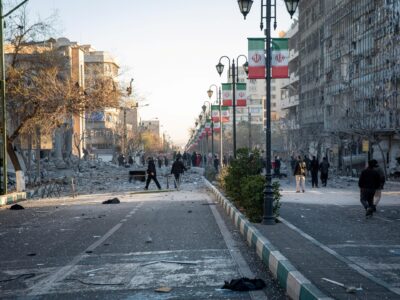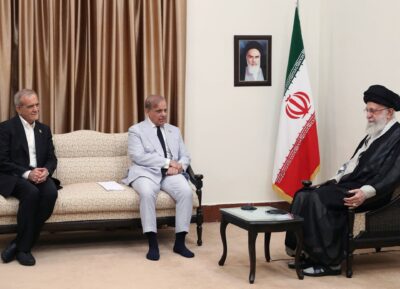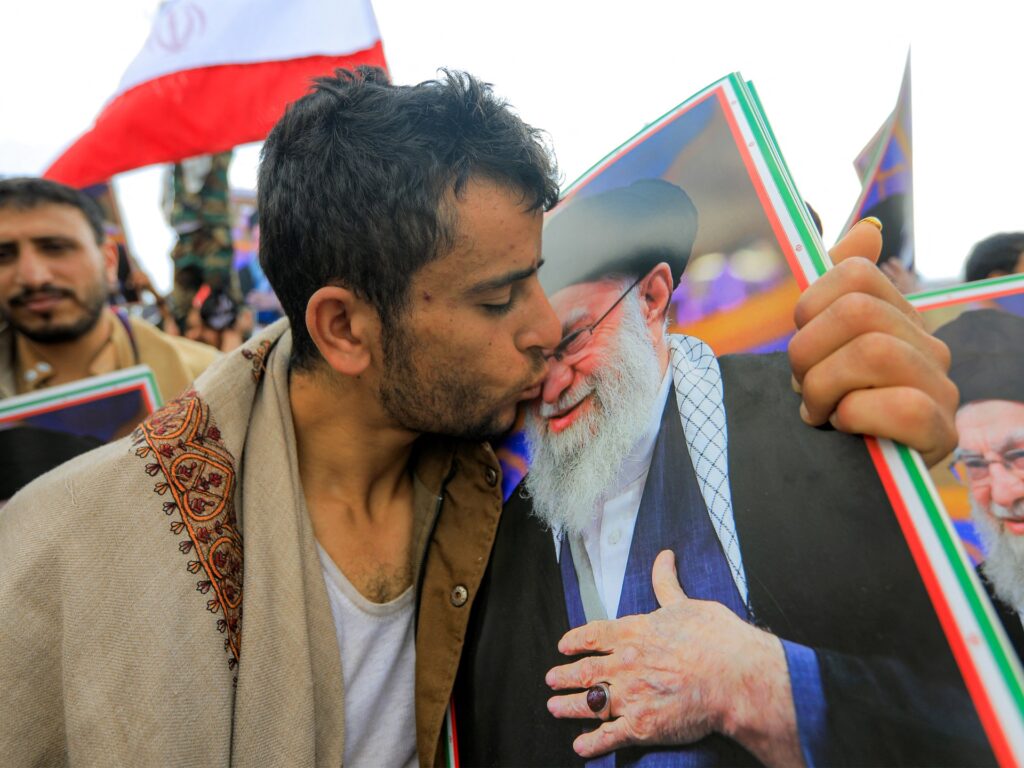
The ongoing conflict involving Israel, the United States, and Iran has seen many regional players taking sides and escalating tensions. However, Yemen’s Houthi movement, a powerful Iran-aligned group, is currently maintaining a cautious stance and refraining from direct involvement in this broader confrontation. The Houthi leadership’s decision to stay out of the Israel-US conflict with Iran can be attributed to several strategic and security considerations.
Firstly, the Houthis have a recent history of suffering significant retaliatory strikes from Israel and its allies. Past Israeli airstrikes on Houthi positions have caused leadership losses and crippled their operational capabilities temporarily. This has instilled a sense of caution within the group, prompting their leaders to avoid provoking Israel directly at this sensitive juncture.
Secondly, the Houthis face multiple challenges on their home front in Yemen, including ongoing battles with the Saudi-led coalition, economic hardships, and managing the country’s humanitarian crisis. Direct engagement with Israel and potentially the US military forces might overextend their resources and invite further devastating retaliation.
Thirdly, despite their ideological and strategic ties with Iran, the Houthis appear to be exercising a degree of autonomy in their foreign policy decisions. Rather than jumping into the wider regional conflict, they are likely evaluating the risks and benefits carefully, opting for a pragmatic approach to safeguard their survival and political gains.
Furthermore, the Houthis’ geographic position in Yemen, far from the central hotspots of the Israel-Iran struggle, reduces their immediate involvement. Unlike Hezbollah in Lebanon, who directly confronts Israel, the Houthis’ conflict focus remains primarily within Yemeni borders.
The current restraint could be temporary, as shifts in regional dynamics, pressures from their Iranian patrons, or new provocations from Israel might change the Houthis’ calculus. But for now, Yemen’s Houthi leadership seems determined to avoid opening another front against Israel and the US, focusing instead on consolidating control over Yemen and managing their existing conflicts.
In summary, Yemen’s Houthis are staying out of the Israel-US fight with Iran for now due to a combination of fear of Israeli retaliation, ongoing domestic struggles, cautious leadership, and strategic autonomy. Their decision underscores the complexity of Middle Eastern geopolitics, where local conflicts intersect with broader regional rivalries, compelling groups like the Houthis to carefully navigate their alliances and enmities.