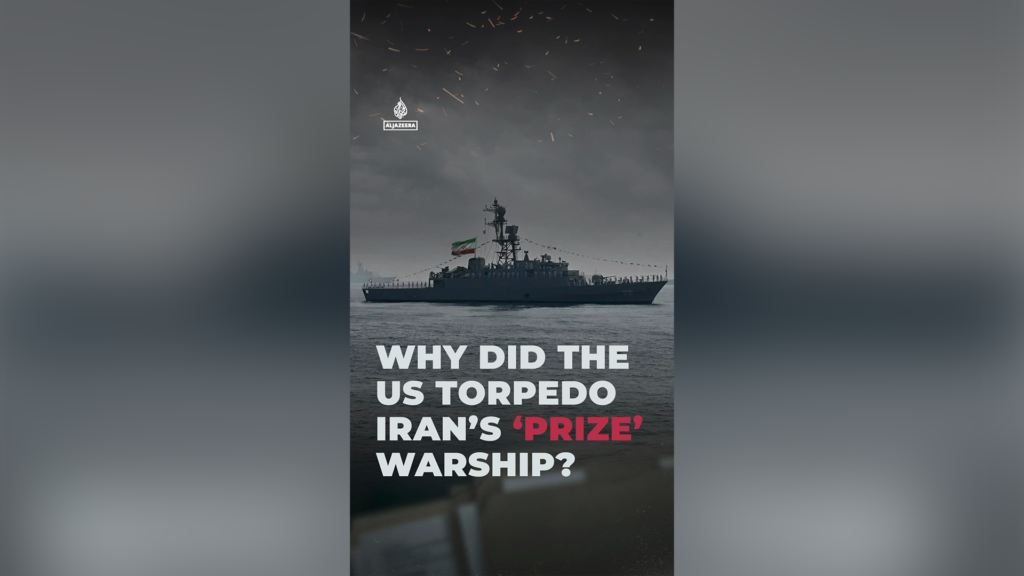
The sinking of Iran’s prize warship, the IRIS Dena, by the US has raised many questions about the motivations and strategic intentions behind such a bold move. Soraya Lennie, an expert on Middle Eastern naval affairs, sheds light on the incident and the broader geopolitical context.
The IRIS Dena is considered one of Iran’s most valuable naval assets—a symbol of national pride and a platform for projecting power in the strategically critical Persian Gulf region. The ship, a destroyer class vessel, had undergone several upgrades and modernization efforts that enhanced its offensive and defensive capabilities. As a result, it was viewed by Tehran as a crucial component of its naval strategy and regional influence.
The US decision to sink the Dena was not taken lightly. It was reportedly motivated by a combination of intelligence findings and escalating tensions between the two countries. The US Navy’s actions were aimed at neutralizing a perceived imminent threat posed by the vessel, which was believed to be involved in aggressive maneuvers and potentially hostile operations against American forces and allies in the area.
Furthermore, the sinking was intended to send a strong deterrent signal to Iran, warning Tehran against further escalation or attempts to interfere with maritime navigation and security in the Gulf. The region hosts vital shipping lanes that are critical for global oil supply, and any disruption could have far-reaching economic and security consequences.
Experts like Soraya Lennie argue that the incident reflects the broader strategic contest between the US and Iran for dominance in the Middle East. The US aims to maintain freedom of navigation and assert its influence, while Iran seeks to challenge American presence and expand its regional power.
The sinking of the IRIS Dena has drawn international attention and mixed responses. Some see it as a justified pre-emptive move to safeguard stability, while others view it as an escalation that could lead to further conflict in an already volatile region. The incident underscores the delicate balance of power and the risks inherent in maritime military confrontations.
In conclusion, the US torpedoing of Iran’s destroyer was a calculated decision with significant geopolitical implications. It was driven by concerns over security threats, regional power dynamics, and the imperative to maintain control over critical maritime routes. As tensions persist, the event serves as a stark reminder of the complexities and dangers in the ongoing US-Iran rivalry.