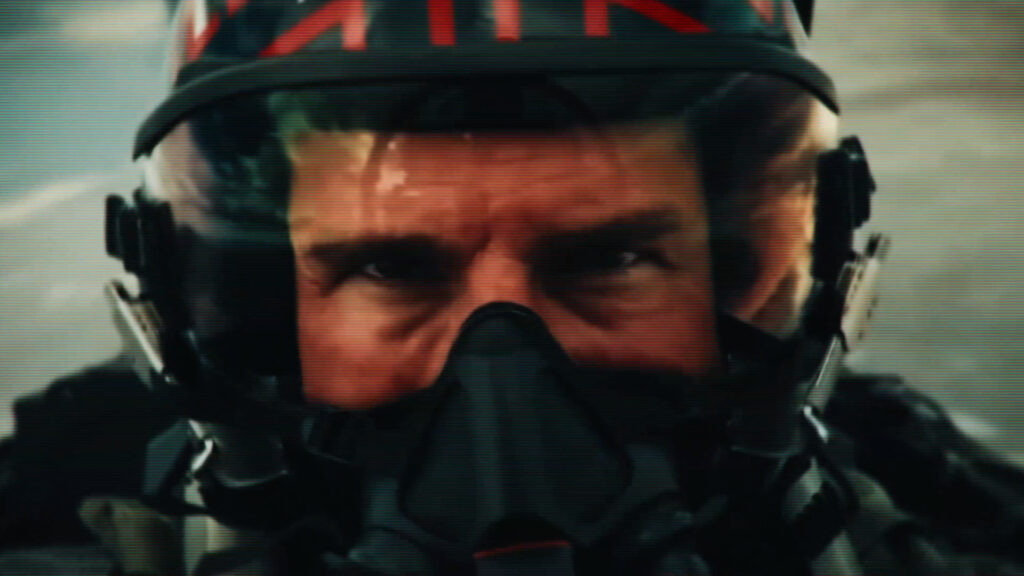
In the days following a tragic attack on a school in Iran, the White House has come under fire for posting a video titled ‘American justice.’ The video montage juxtaposes graphic footage related to the Iran war alongside animated cartoon segments, sparking controversy and criticism both domestically and internationally.
The video, released on official White House social media channels, was intended to underscore the U.S. stance on justice and retaliation concerning Iran-related conflicts. However, many viewers and analysts expressed discomfort and condemnation over the choice to blend serious war imagery with cartoons, seeing it as inappropriate and insensitive given the gravity of the recent violence.
Critics argue that the presentation diminishes the tragic nature of the school attack and the suffering of innocent civilians. The footage included in the montage shows compelling and often harrowing scenes from the ongoing conflict in Iran, but pairing these with animated content has been perceived by many as trivializing or even mockingly politicizing the events.
Supporters of the White House’s approach say the video is meant to symbolize resilience and illustrate the complexity of the geopolitical struggle with Iran through a modern, engaging medium. Nonetheless, the backlash highlights the risks governments face when communicating sensitive issues through social media and visual media formats.
The timing of the video’s release—just days after the attack on an Iranian educational institution—has also intensified scrutiny. The incident had already drawn international condemnation due to the loss of young lives and the broader implications for regional stability.
Social media platforms rapidly became arenas of heated debate, with hashtags criticizing the White House video trending on Twitter and other services. Many users expressed that the video was disrespectful to the victims and their families.
Political commentators also questioned the strategic value of such a video. With diplomatic tensions high, some suggest the video may inadvertently escalate hostilities rather than promote understanding or deterrence.
In response to the criticism, White House officials have not publicly retracted the video or issued an apology but have reiterated their commitment to justice and support for victims of violence.
This situation underscores the challenges that modern governments face when using social media to convey political messages. The balance between effective communication and political sensitivity is delicate, particularly in situations involving human tragedy and international conflict.
Observers note that the controversy may influence future communications strategies of the White House and other governmental bodies, prompting more careful consideration of content and timing in messaging.