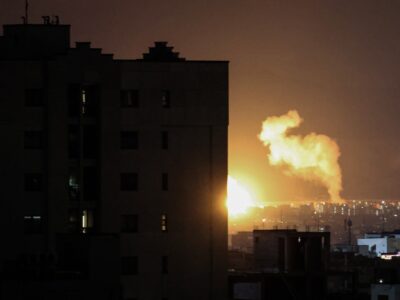
As tensions escalate in the Middle East, particularly in the looming conflict involving the US, Israel, and Iran, Ukraine is stepping forward to offer its valuable expertise in drone warfare. With years of experience combating Iran-made drones deployed by Russia during its conflict in Ukraine, Ukrainian officials have expressed their readiness to assist the US and Israel in countering threats posed by Iranian drones.
Ukraine’s drone defense capabilities have been honed through persistent conflict, where Iranian-manufactured drones have been a significant component of Russian military tactics. These Iranian drones, often referred to as ‘Shaheds,’ have been extensively used by Russia for surveillance, targeted strikes, and strategic operations. Ukrainian forces have developed a nuanced understanding of these drones’ vulnerabilities, control systems, and typical operational patterns.
This expertise is crucial now as Israel and the US prepare for potential escalations with Iran, particularly concerning drone warfare. Iran’s drone technology, especially the Shahed models, has become increasingly sophisticated, posing substantial challenges to traditional military defenses.
Ukrainian officials have been actively engaging with their US and Israeli counterparts to share intelligence, technical knowledge, and tactical strategies developed over years of combating these drone threats. Ukraine’s contribution could enhance the effectiveness of defensive measures against Iran’s unmanned aerial vehicles (UAVs), potentially saving lives and reducing damage during conflicts.
In addition to tactical insights, Ukraine is offering practical support, including technical assistance in building counter-drone technology such as electronic jamming systems and early warning radar networks tailored to detect and neutralize Shahed drones.
The move represents a strategic alliance, underlining Ukraine’s growing role in international security dynamics beyond its regional conflict. It reflects a broader geopolitical recognition of the importance of drone warfare proficiency amidst the increasing global use of UAVs in military conflicts.
Experts note that Ukraine’s experience is particularly valuable due to the unique blend of real-world combat data and adaptive combat strategies developed under continuous fire. These insights could provide a critical edge in the US and Israel’s efforts to counter drone incursions from Iranian forces.
Meanwhile, US and Israeli defense agencies have welcomed Ukraine’s input, acknowledging the benefits of collaboration and intelligence sharing in an era marked by rapid advancements in military technologies.
This cooperation may set a precedent for future partnerships where countries affected by drone warfare help others facing similar threats. It illustrates how modern warfare challenges are increasingly interconnected, requiring collaborative responses.
Beyond military assistance, this support also signals political solidarity. Ukraine’s willingness to extend its knowledge fortifies relationships with key Western allies and aligns with broader efforts to counter Iranian regional influence.
As the situation unfolds, all involved parties remain watchful of Iran’s drone capabilities and strategic use of unmanned systems, making Ukraine’s expertise an asset in stabilizing volatile conditions in the region.
The development underscores the evolving nature of warfare where drone technologies play a critical role, and countries with direct combat experience can provide invaluable contributions to global security initiatives.
With the potential intensification of conflict in the Middle East, Ukraine’s proactive stance highlights its commitment to leveraging hard-earned expertise in service of allies confronting shared threats.
This emerging partnership between Ukraine, the US, and Israel could pave the way for new defense frameworks in drone warfare and establish stronger international coordination against technological threats from state and non-state actors alike.