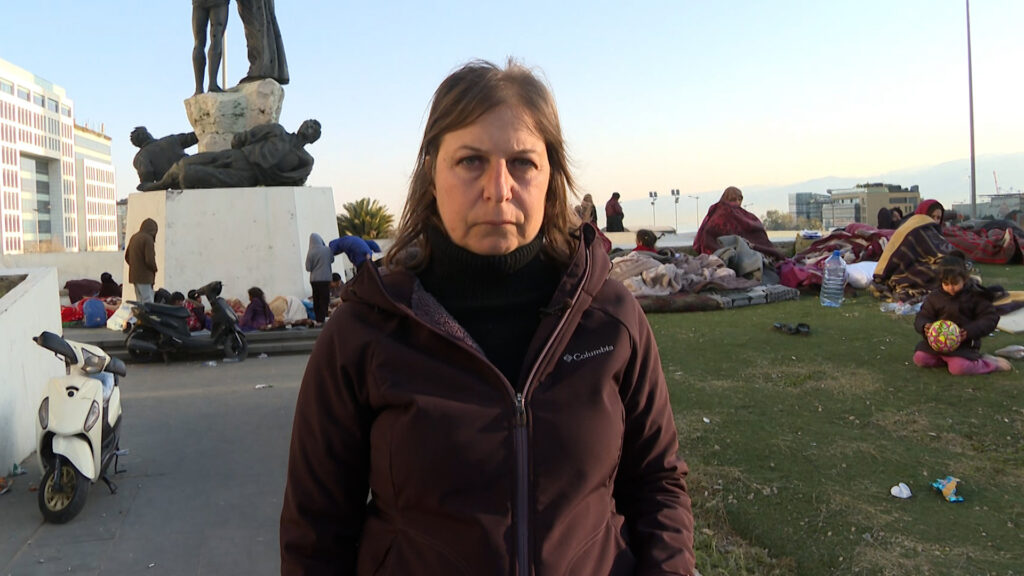
In a significant development that has stunned the region, thousands of residents in Beirut have been displaced following a forced evacuation order linked to Israeli directives. This unprecedented move has led to widespread concern and humanitarian issues across the city.
According to reports, the evacuation order was issued amid escalating tensions between Israel and Lebanon, with fears of potential military escalation prompting Israeli authorities to demand the clearing of certain areas in Beirut. The order affected numerous neighborhoods, resulting in thousands of families being uprooted from their homes.
Local authorities in Beirut mobilized quickly to implement the evacuation, coordinating with emergency services to assist displaced individuals. However, the sheer scale of the displacement has strained resources and posed significant challenges in providing adequate shelter, food, and medical assistance to those affected.
Human rights organizations have expressed alarm over the forced evacuation, emphasizing the urgent need for protection and support for the displaced population. They argue that such orders, especially when linked to foreign governments, complicate the already volatile political situation in Lebanon.
The Lebanese government has condemned the forced evacuation order, labeling it a violation of national sovereignty. Officials have called for international intervention and dialogue to de-escalate tensions and ensure the safe return of displaced residents.
Meanwhile, neighboring countries and international bodies have begun to respond, with some offering humanitarian aid and others urging restraint from all parties involved. The evacuation has also reignited discussions about the long-standing conflict in the region and its impact on civilian populations.
As the situation unfolds, many are closely watching Beirut to see how the city and its people will cope with the immediate crisis and what steps will be taken to prevent further displacement. The incident underscores the delicate nature of peace and security in the area and the profound human cost of geopolitical conflicts.
Efforts are underway to negotiate ceasefires and explore diplomatic solutions, though uncertainty remains high. For now, the focus remains on providing relief to the displaced residents and ensuring their safety amid ongoing tensions.
This event marks a critical moment in Beirut’s contemporary history, highlighting the fragile stability of the region and the urgent need for comprehensive conflict resolution measures to protect civilians and uphold human rights.