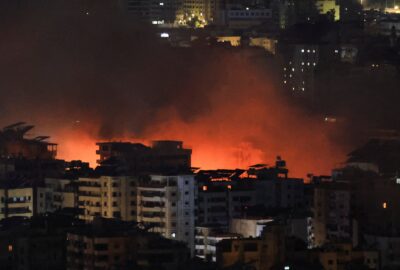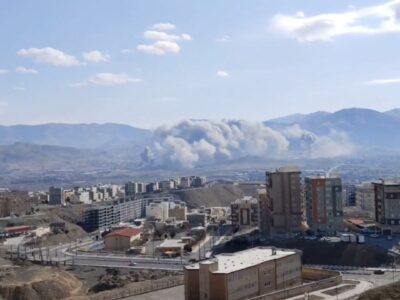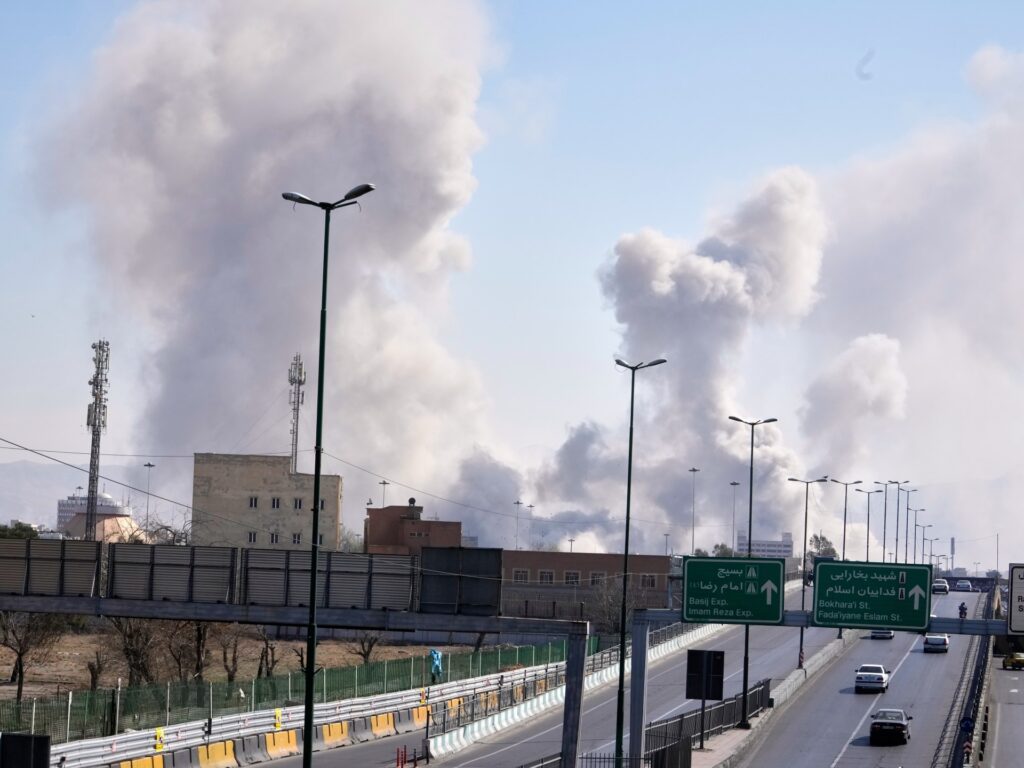
Tehran, the capital of Iran, has been subjected to heavy and intense bombing on the seventh day of the ongoing war initiated by the United States and Israel against Iran. An Al Jazeera correspondent reporting live from Tehran highlighted that the scale and intensity of the bombardment are unprecedented compared to previous attacks.
The hostilities that began a week ago have escalated rapidly, with Tehran now becoming a significant target. The bombings have caused considerable destruction in the city’s infrastructure and raised alarms about the escalating conflict in the region.
According to the correspondent, the sound of explosions reverberated throughout the city, with buildings being hit and the streets filled with smoke and debris. Emergency services are overstretched, responding to numerous casualties and fires ignited by the bombardment.
This latest development marks a worrying phase in the war, reflecting a serious intensification of military operations by US and Israeli forces. The strategic targeting of Tehran underscores its importance in the conflict and suggests a shift towards more direct confrontations within Iran’s heartland.
Residents of Tehran have been urged to stay indoors and seek shelter as air raid sirens continue to sound frequently. The government has activated defense protocols and is coordinating efforts to protect civilians and maintain order amidst the chaos.
International reactions have been swift, with many countries expressing grave concern over the escalation of violence. Calls for an immediate ceasefire and diplomatic negotiations are increasing in international forums.
The war, which originated from longstanding tensions over Iran’s nuclear program, regional influence, and alliances, has now entered a new and more dangerous phase. The bombardment of Tehran could have far-reaching consequences, potentially destabilizing the region further and impacting global political and economic landscapes.
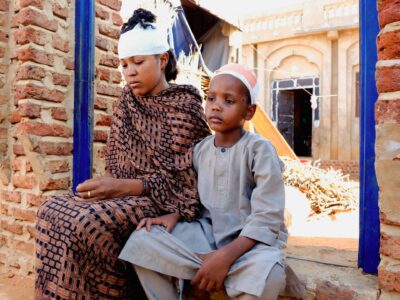
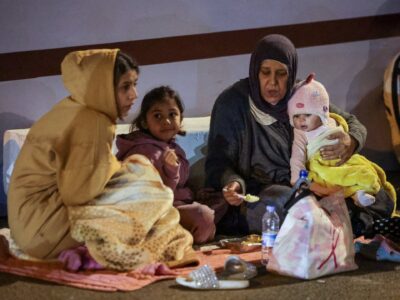
On the ground, the people of Tehran face grave challenges as essential services are disrupted and everyday life is thrown into turmoil. Healthcare facilities are overwhelmed, and shortages of food, water, and medical supplies are reported.
Despite the dire situation, stories of resilience and solidarity among Tehran’s citizens continue to emerge. Community groups and volunteers are mobilizing to assist those affected by the crisis, providing shelter, aid, and support where possible.
As the bombing continues, the international community watches anxiously, hoping for an end to the violence and a return to dialogue. The situation remains highly fluid, with potential for further escalations or attempts at negotiation depending on actions taken by the involved parties.
This conflict represents one of the most significant and dangerous confrontations in recent Middle Eastern history, with Tehran now firmly in the crosshairs. The coming days will be critical in determining the trajectory of the war and its broader implications for regional and global stability.