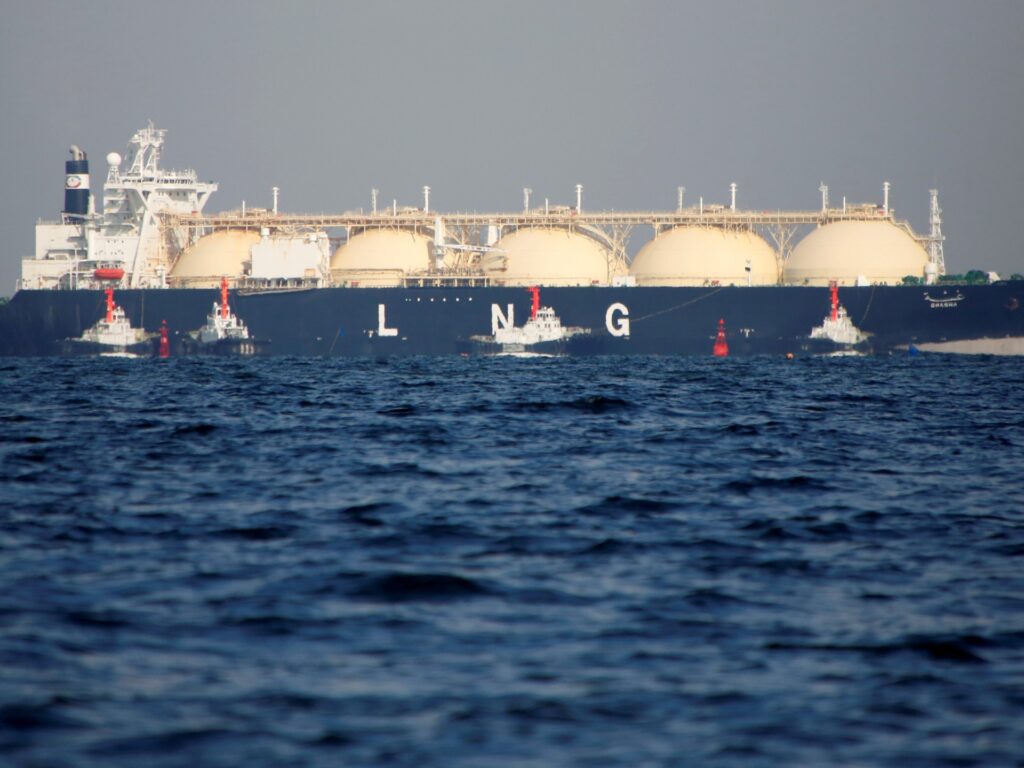
Moscow is witnessing a significant rise in demand for its oil and gas exports as geopolitical tensions escalate due to the ongoing conflict involving Iran. This surge comes despite international efforts to diversify energy sources away from Russian supplies in recent years. The increased global reliance on Russian energy highlights the complexities and vulnerabilities of the current energy market amid geopolitical unrest.
The International Energy Agency (IEA) has issued a strong warning against the political and economic implications of reverting to dependence on Russian energy. The agency emphasizes that such a move is not only strategically misguided but also risks undermining long-term energy security and economic stability for many countries worldwide.
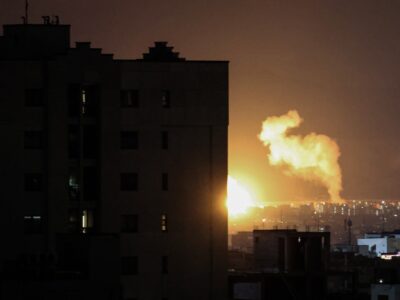
Amid the Iran war, many nations are seeking stable and affordable energy supplies, which has inadvertently boosted demand for Russian oil and natural gas. Moscow’s vast energy resources and existing infrastructure allow it to quickly increase exports to meet this rising global appetite. However, this shift raises concerns over increased geopolitical leverage for Russia and potential challenges in transitioning to sustainable energy sources.
The IEA urges countries to intensify efforts toward energy diversification and to accelerate investment in renewable energy and energy efficiency. The agency stresses that reliance on any single country for critical energy supplies poses significant risks, especially in times of conflict and political uncertainty.
Energy markets continue to experience volatility as the conflict in Iran disrupts supply chains and intensifies competition among energy producers. Russia’s strengthened position in the energy sector could reshape alliances and reinforce its role as a dominant energy supplier on the world stage.
Experts warn that while Russian energy may provide a short-term solution amid the crisis, it is vital for global energy strategy to focus on resilience and sustainability. The transition away from fossil fuels and toward greener alternatives remains imperative to mitigate geopolitical risks and address climate change challenges.
In summary, the rise in demand for Russian oil and gas tied to the Iran war underscores the fragile nature of current energy dependencies. The International Energy Agency’s caution highlights the need for comprehensive and forward-looking energy policies that prioritize diversification, security, and sustainability to navigate the complex global energy landscape.