In a significant development in the ongoing conflict in Sudan, the Sudanese army has successfully retaken the town of Bara and secured the city of El-Obeid in the North Kordofan region. This advancement marks a critical strategic gain for the government forces amid escalating clashes with the Rapid Support Forces (RSF).
According to a reliable source who spoke to Al Jazeera, the Sudanese army inflicted heavy losses on the RSF during intense combat operations. The source reported that the army destroyed 32 RSF combat vehicles, a substantial blow to the mobility and firepower of the RSF troops in the area.
The clashes involved ground fighting and precision drone attacks, which have become a prominent feature of the current conflict. The use of drones allowed the army to target RSF positions effectively, reducing their operational capabilities and causing significant casualties. Dozens of RSF fighters were killed in these attacks, further weakening the RSF’s hold over North Kordofan.
The recapture of Bara and securing of El-Obeid is vital for controlling the main routes connecting different parts of the region. El-Obeid, being the capital of North Kordofan, holds political and logistical importance. Control over this city boosts the government’s strategic positioning and denies the RSF a critical foothold.
The conflict between the Sudanese army and the RSF has been marked by fluctuating frontlines and heavy casualties on both sides. The RSF, initially a paramilitary group, has evolved into a powerful armed faction and remains a key player in Sudan’s complex political and military landscape.
The recent army offensive signifies a determined effort by the Sudanese government to reclaim territories and restore state authority in contested areas. Military analysts suggest that control over urban centers such as El-Obeid could influence future negotiations and power dynamics within Sudan.
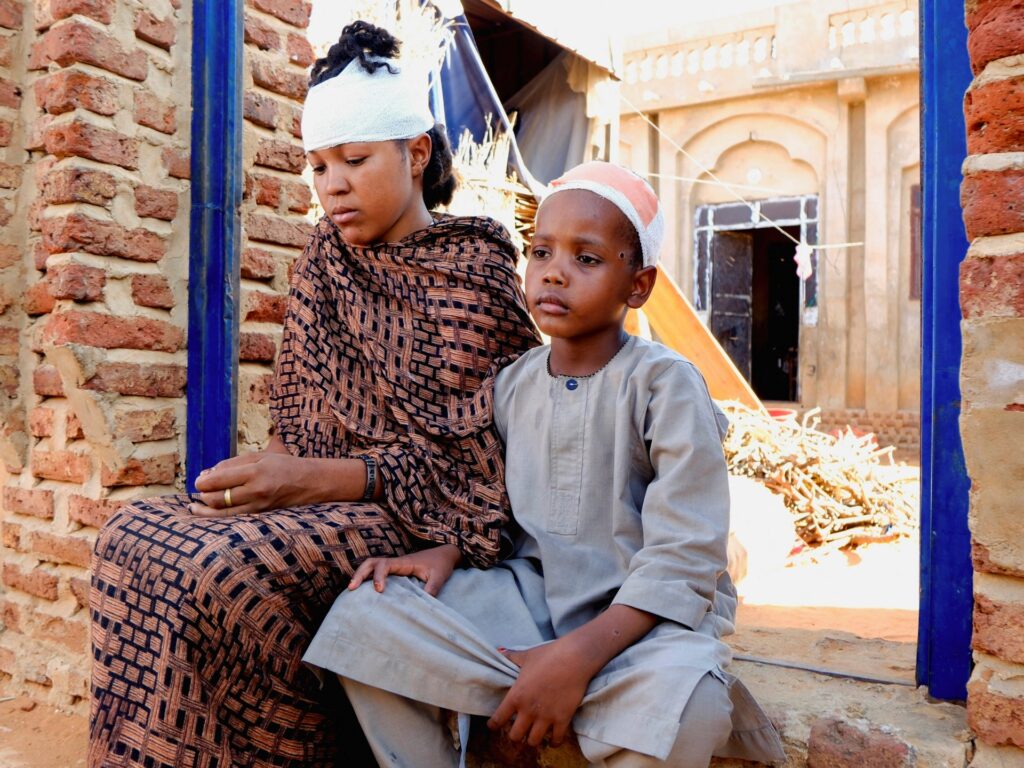
Humanitarian concerns continue to mount as civilians in North Kordofan and surrounding areas face displacement, shortages of essential supplies, and the dangers of ongoing conflict. International organizations have called for immediate ceasefires and dialogue to prevent further deterioration of the situation.
The Sudanese army’s success in retaking Bara and El-Obeid is likely to shift momentum in the ongoing conflict, but the situation remains fluid. Both sides continue to prepare for further engagements as loyalties and control points shift rapidly.
The government has called on the RSF to cease hostilities and return to negotiations, emphasizing the need for peace and stability in a country already grappling with multiple challenges. Meanwhile, the RSF has yet to issue a formal response to the recent developments.
As the conflict unfolds, the international community watches closely, concerned about the potential for wider instability in the region. Diplomatic efforts are ongoing to find a peaceful resolution, but for now, military confrontations remain at the forefront.
In summary, the Sudanese army’s retaking of Bara and securing of El-Obeid marks a pivotal moment in the North Kordofan conflict. With significant losses inflicted on the RSF, including the destruction of combat vehicles and killing of fighters, the army has strengthened its strategic position. However, the path to lasting peace remains uncertain as hostilities continue and humanitarian challenges escalate.