In a significant escalation of regional tensions, Iran has reportedly targeted the Israeli embassy in Bahrain as well as the Al Udeid Air Base in Qatar. This development underscores the growing volatility in the Gulf region, where multiple nations are increasingly caught in the crossfire of broader geopolitical conflicts.
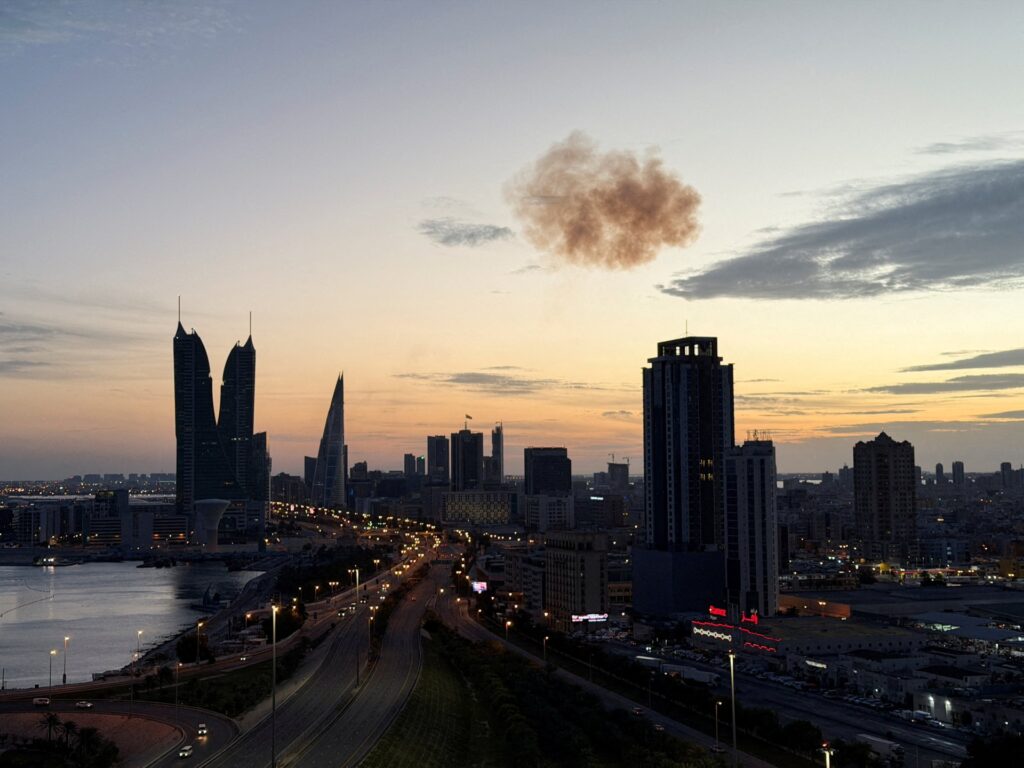
The targeting of the Israeli embassy in Bahrain represents a bold move by Iran, marking a direct challenge to Israeli diplomatic presence in the Gulf. Bahrain, a close ally of Israel following the Abraham Accords normalization agreements, has seen heightened security concerns as a result of this attack. The incident has triggered condemnations from Bahrain’s government, which has vowed to safeguard its diplomatic missions and enhance security protocols to prevent future occurrences.
Alongside the embassy attack, Al Udeid Air Base in Qatar—one of the largest US military installations in the region—was also targeted. This base plays a critical role in US and allied military operations across the Middle East. Any aggression against it not only has immediate military implications but also sends a strong message about the expanding theatre of conflict involving Iran.
The impacts of these strikes reverberate beyond Bahrain and Qatar as multiple Gulf Cooperation Council (GCC) countries, including Saudi Arabia, the United Arab Emirates, and Kuwait, closely monitor the situation. These nations are increasingly alarmed by the possibility of becoming arenas for proxy conflicts involving Iran and its adversaries.
Furthermore, the conflict dynamics are extending to other regional players such as Turkiye and Azerbaijan. Both countries have strategic interests and partnerships which place them in a precarious position amidst the escalating tensions. Turkiye, with its proximity and regional influence, and Azerbaijan, with its geopolitical significance at the crossroads of Eurasia, face growing challenges as they navigate the complex security landscape shaped by the ongoing conflict.
This spate of attacks and heightened military posturing highlight the broader regional struggle for influence. Iran’s aggressive stance is perceived by many as an attempt to assert dominance and deter further normalization of relations between Israel and Arab states. Conversely, Gulf states and their allies are ramping up defensive measures to counter perceived threats from Iranian-backed forces.
International actors, including the United States and European powers, have called for restraint and dialogue amidst these alarming developments. Diplomatic efforts are expected to intensify as the global community seeks to prevent the conflict from spiraling into a wider regional war.
The situation remains fluid, and the coming weeks will be critical in determining whether diplomacy can prevail or if the region will plunge deeper into conflict. The targeting of key diplomatic and military sites underscores the precarious nature of peace and security in the Gulf and adjacent areas, emphasizing the urgent need for sustained international engagement and conflict resolution initiatives.