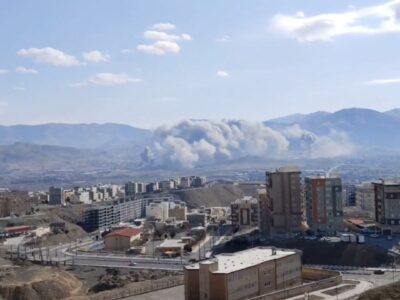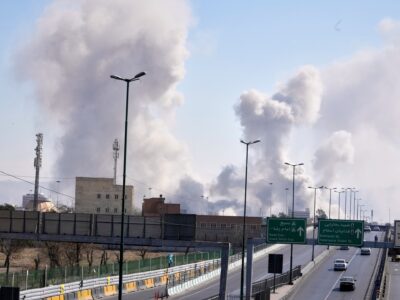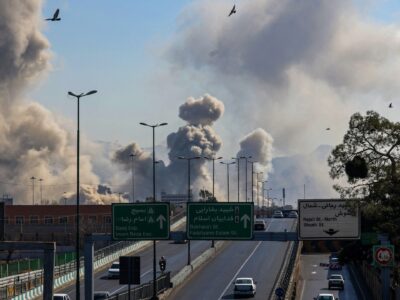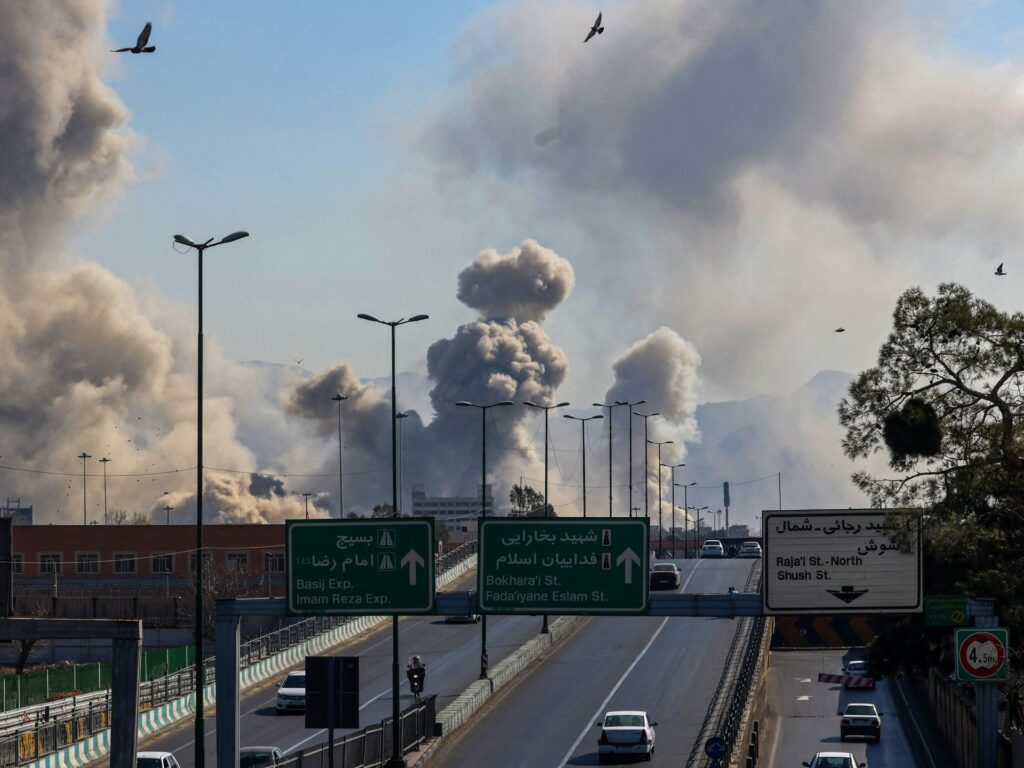
Recent military strikes attributed to the United States and Israel have targeted several locations within Iran, including a prominent military academy, escalating tensions in the region. The attacks represent a significant intensification of hostilities involving Iran, amid ongoing geopolitical conflicts.
Iranian Foreign Minister Abbas Araghchi has publicly responded to these developments by emphasizing that there is “no reason why we should negotiate” under the current circumstances. His remarks reflect a deep mistrust of Washington, underscoring the strained diplomatic relations between Iran and the United States.
The military academy hit is reportedly a key institution for Iran’s defense capabilities, which adds a strategic dimension to the recent attacks. The precise impact and casualties of these strikes have not been immediately disclosed, but the targeting of such a location signals a concerted effort to undermine Iran’s military infrastructure.
These events come amid a backdrop of increased international pressure on Iran concerning its nuclear program and regional influence. The attacks also follow a series of diplomatic breakdowns and a heightened rhetoric from all parties involved.
Analysts suggest that these strikes could further destabilize the already fragile situation in the Middle East, potentially sparking retaliatory actions by Iran. The international community is closely monitoring the situation, with calls for restraint and renewed dialogue to prevent further escalation.
Iran’s stance, as articulated by Abbas Araghchi, indicates a hardening of positions, rejecting negotiations with the United States and labeling it unreliable. This stance complicates efforts by international mediators aiming to revive diplomatic discussions and address security concerns.
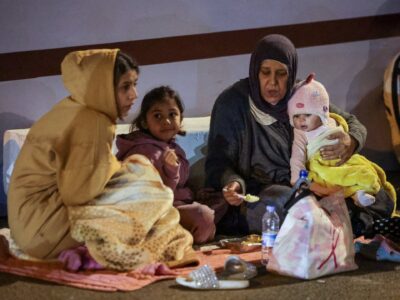
Observers note that the dual involvement of the US and Israel in the strikes highlights a coordinated strategy to counter Iran’s military capabilities and influence. However, this approach risks widening the conflict and impacting civilian populations.
The attacks’ timing and targets suggest they may be intended to disrupt Iran’s military readiness ahead of any potential future conflicts or to compel Iran to reconsider its regional policies.
As the situation evolves, there is an urgent need for diplomatic engagement to de-escalate tensions and avoid further military confrontations. The ongoing conflict poses significant risks not just to regional stability but to global security and energy markets.
In conclusion, the recent US and Israeli strikes on Iran, including the military academy, mark a critical juncture in the ongoing conflict. Combined with Iran’s firm rejection of negotiations and characterization of Washington as untrustworthy, the prospects for a peaceful resolution appear increasingly challenged. The international community must work towards de-escalation and constructive dialogue to prevent further deterioration of the situation.