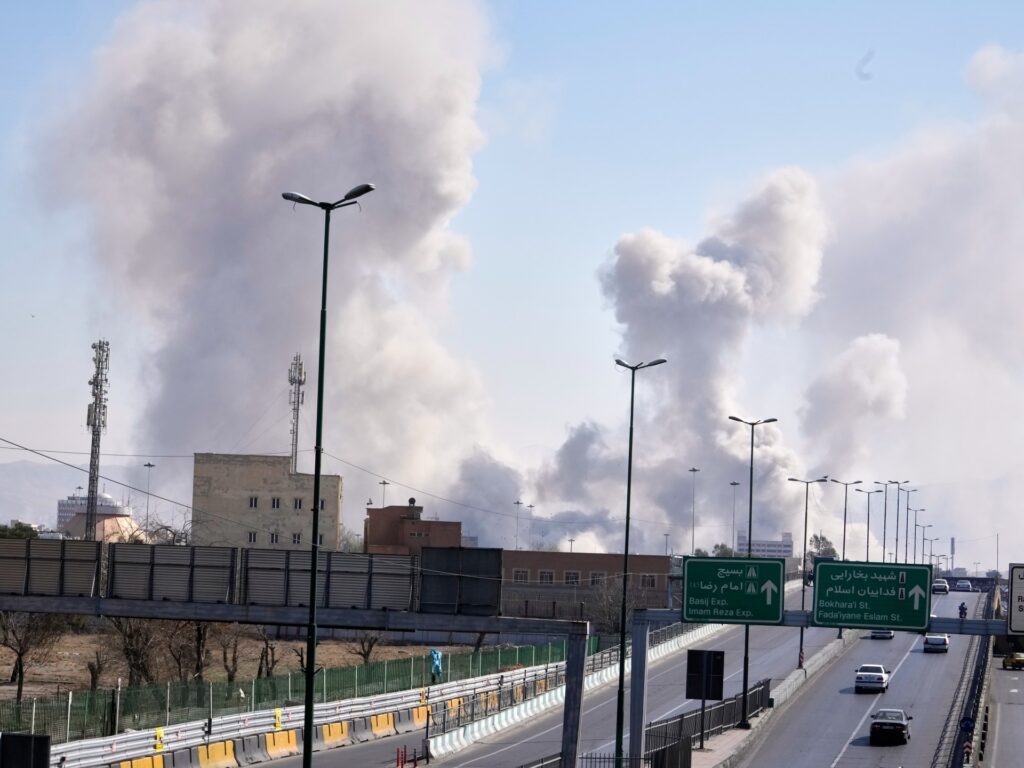
On the seventh day of the escalating conflict involving the US and Israel against Iran, Tehran has been subjected to a severe and unprecedented level of bombardment. An Al Jazeera correspondent reporting directly from Tehran described the aerial attacks as more intense than anything previously witnessed in the ongoing war.
The bombardment marks a significant escalation in the hostilities, with heavy explosions rattling the Iranian capital and causing widespread alarm among its residents. Buildings have been damaged, and emergency services are stretched thin as they respond to the crisis.
This conflict, now in its second week, began with targeted strikes following heightened tensions between the involved nations. The scale and intensity of the bombings have raised concerns about the potential for further devastation and civilian casualties.
Iranian officials have condemned the attacks, vowing to retaliate and protect their sovereignty at all costs. The international community watches closely as diplomatic efforts intensify to seek a resolution to the conflict and prevent further loss of life.
Tehran, a city known for its rich history and cultural significance, now faces the harsh reality of modern warfare, underscoring the gravity of the geopolitical tensions that have boiled over into open conflict.
As the situation develops, citizens are urged to stay indoors and heed safety advisories issued by local authorities. Hospitals and shelters are preparing for an influx of the injured and displaced.
The ongoing hostilities disrupt not only daily life but also regional stability, with global implications for peace and security in the Middle East. The world awaits further updates amid efforts to de-escalate the war and bring about a ceasefire.
This latest wave of attacks on Tehran illustrates the intense and destructive nature of the war, signifying a critical juncture in the US-Israel-Iran conflict. The coming days promise to be decisive in determining the future of this troubled region.