The Inter-American Court of Human Rights has issued a landmark ruling requiring the government of Peru to pay reparations to the family of a woman who died as a result of forced sterilisation. This ruling highlights the ongoing human rights challenges related to coerced sterilisation practices in Peru, a country grappling with the legacies of policies implemented in the 1990s.
The case centers on a woman who underwent a forced sterilisation procedure without her informed consent, a part of a broader government campaign during the 1990s aimed at controlling population growth. This campaign disproportionately targeted indigenous and rural women, raising serious ethical and human rights concerns. The woman’s death shortly after the procedure brought international attention to the issue.
In its judgment, the Inter-American Court of Human Rights underscored that the forced sterilisation violated multiple rights protected under international human rights law, including the right to bodily integrity, health, and freedom from discrimination. The Court emphasized the need for Peru to not only compensate the victim’s family financially but also to undertake measures that prevent such abuses from recurring.
The ruling mandates that Peru evaluate and reform its health policies to ensure that sterilisation procedures are conducted strictly on a voluntary and informed basis. It also requires the Peruvian government to provide public apologies and guarantees of non-repetition, recognizing the lasting trauma inflicted on victims and their families.
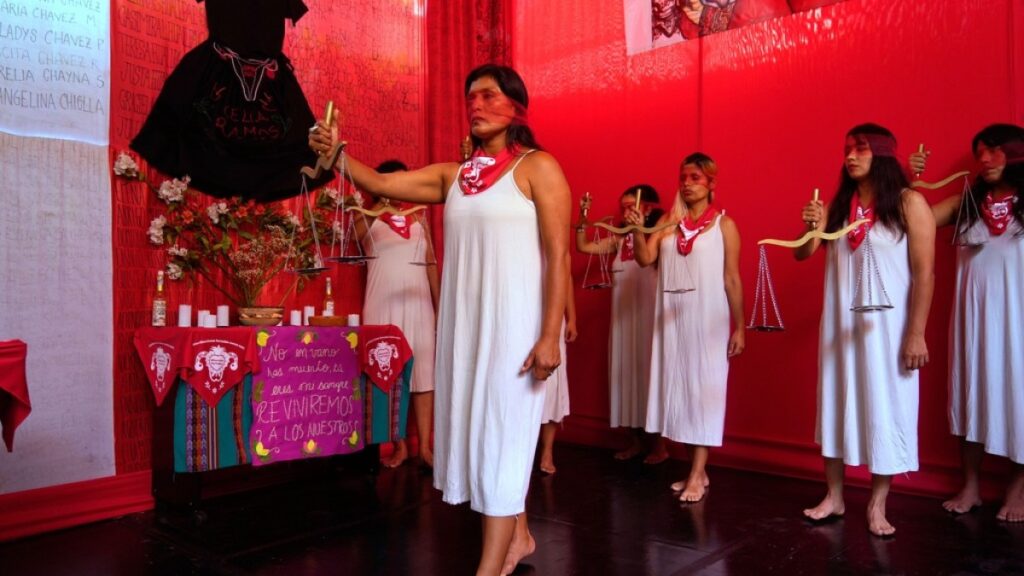
This case follows years of activism and legal battles by human rights organizations, survivors, and affected communities advocating for justice and accountability. It serves as a significant precedent in the fight against forced sterilisation and other forms of gender-based violence in Latin America.
Human rights advocates have praised the decision as a vital step for the recognition of victims’ rights and an important deterrent against future violations. They highlight that reparations go beyond monetary compensation, encompassing symbolic and structural changes that address systemic injustices.
The Peruvian government has yet to announce its response to the ruling, but the expectation is that it will implement the court’s orders as part of its commitment to uphold human rights standards. The decision also sends a broader message to other countries in the region about the importance of safeguarding reproductive rights and ensuring informed consent in medical procedures.
Forced sterilisation remains a critical issue worldwide, and this ruling contributes to an evolving international legal framework that prioritizes bodily autonomy and the elimination of coercive practices in healthcare. The case is a reminder of the necessity for vigilance, transparency, and accountability in protecting the rights of marginalized populations.
As discussions continue globally on reproductive rights and justice, the Inter-American Court of Human Rights’ decision reinforces the imperative that violations must be addressed comprehensively to enable healing and reparative justice for victims and their families.