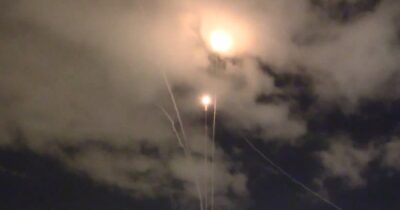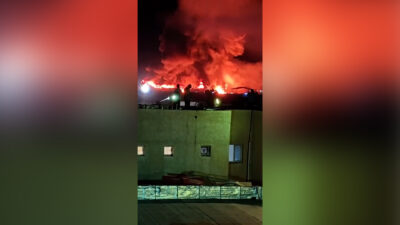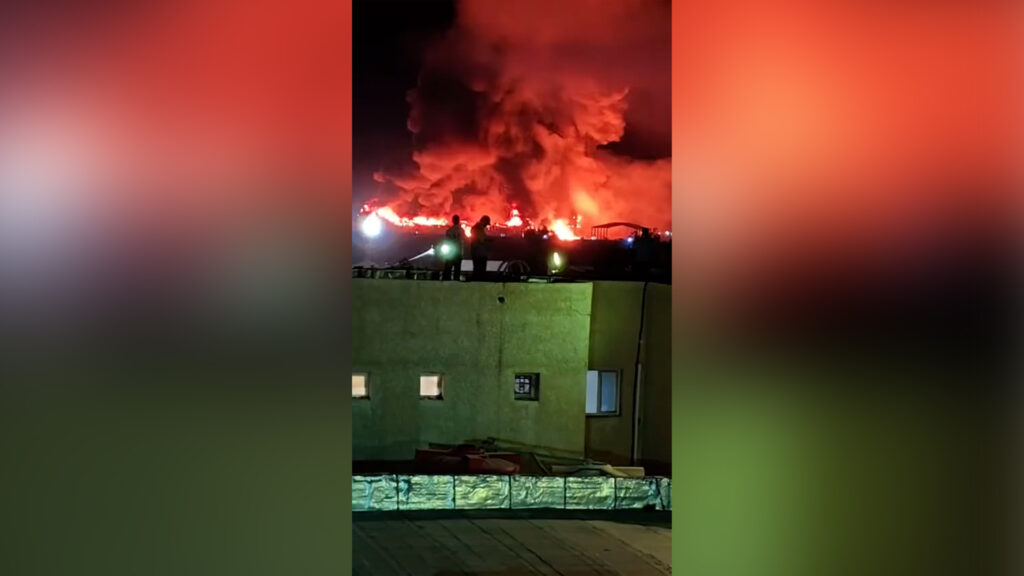
A drone successfully bypassed security defenses and caused a significant fire at an oil facility located in Basra, southern Iraq. This facility, operated by foreign companies, has been a critical point for oil production and export in the region. The attack raises concerns about the vulnerability of key infrastructure in Iraq to emerging drone threats.
The incident occurred amid ongoing regional tensions and highlights the increasing use of unmanned aerial vehicles (UAVs) in hostile actions against energy assets. Basra, being a hub of Iraq’s oil industry, plays a vital role in the country’s economy, and such attacks threaten to disrupt oil production and impact global energy markets.
Officials reported that the drone evaded radar and other defense systems that are meant to protect the facility, leading to a swift and intense fire. Emergency response teams were deployed to contain the blaze, but details on the extent of the damage and casualties, if any, have not yet been fully disclosed.
This latest attack comes amid a series of security challenges faced by energy infrastructure in Iraq, which has endured repeated assaults from various militant groups. The use of drones represents a shift in tactics, offering attackers a means to evade traditional security measures and cause substantial damage with relative ease.
The Iraqi government condemned the attack and promised to strengthen security protocols around vital infrastructure. International partners who operate the facility also expressed concern, emphasizing the need for enhanced cooperation and technology to defend against such drone threats.
Energy analysts warn that without improved surveillance and counter-drone technologies, similar attacks could become more frequent, putting global oil supplies at risk. Rebuilding and securing the damaged facility will require significant investment and time, potentially affecting oil outputs in the near term.
This event has underscored not only the strategic importance of Iraq’s oil facilities but also the evolving nature of threats in modern conflict zones. As drones become more accessible worldwide, protecting critical infrastructure is becoming increasingly complex and urgent.
In conclusion, the drone attack on the southern Iraqi oil facility in Basra serves as a stark reminder of the modern challenges facing energy security. Both Iraqi authorities and international stakeholders must collaborate to enhance defenses, safeguard oil production, and maintain stability in this key global energy region.