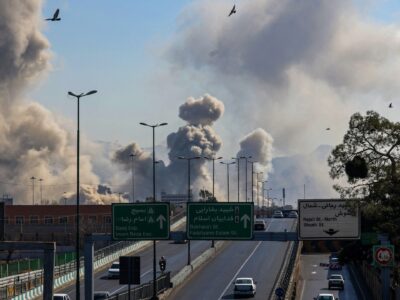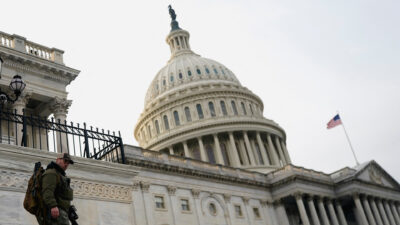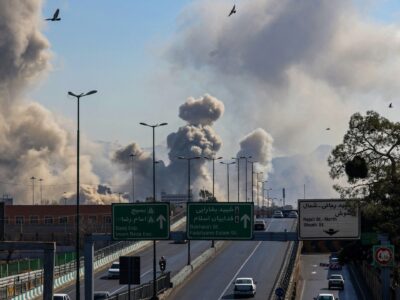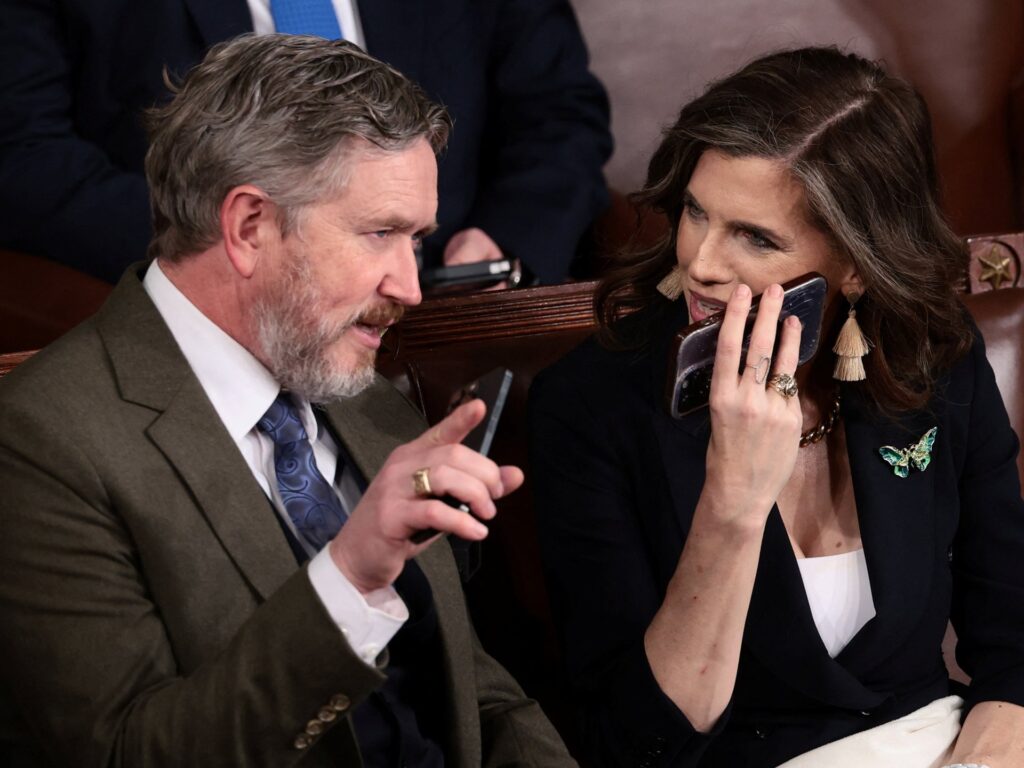
The US House of Representatives is set to vote on a crucial resolution aimed at halting any potential war with Iran. This development comes a day after a similar resolution was rejected in the Senate, highlighting the ongoing political divide over the US approach to Iran.
The resolution seeks to restrict the President’s ability to engage in military action against Iran without explicit Congressional approval. This move represents a continued effort by lawmakers to assert congressional authority over war powers, especially in the volatile context of US-Iran relations.
The recent Senate rejection exposed the prevailing support among Republican senators for maintaining the possibility of US military engagement with Iran, a stance closely associated with former President Donald Trump. Many Republicans argue that a strong military posture is essential to counter Iran’s regional ambitions and nuclear program.
Conversely, opposition to the war authorization has been gaining traction among Democrats and some moderate Republicans who fear that escalation could lead to a broader, more devastating conflict. They emphasize diplomatic solutions and caution against unilateral military actions without clear congressional consent.
The House vote thus carries significant weight. It serves as a litmus test for bipartisan consensus on how the US should handle tensions with Iran. Lawmakers advocating for the resolution argue it would prevent an unchecked escalation and reaffirm the constitutional principle that only Congress can declare war.
Supporters point to recent history where quick military escalations have resulted in protracted conflicts with heavy costs, underscoring the need for careful legislative oversight. Critics of the resolution, however, warn that it may tie the hands of the executive branch, limiting rapid response capabilities in crisis situations.
The political dynamics in both chambers reveal deep divides not only on foreign policy but on the broader question of executive power. The Trump administration’s previous actions in the region, including the killing of Iranian General Qassem Soleimani, continue to influence debate.
Public opinion remains mixed, with many Americans wary of another Middle Eastern war but divided on how to address Iran’s growing influence and nuclear ambitions.
As the House prepares for its vote, the international community watches closely. The outcome may impact diplomatic efforts, regional stability, and the future of US-Iran relations.
In summary, the upcoming House vote represents a pivotal moment in the ongoing debate over US military engagement with Iran. It will test the balance of power between Congress and the Presidency and shape the direction of American foreign policy in a region fraught with risks and uncertainties.