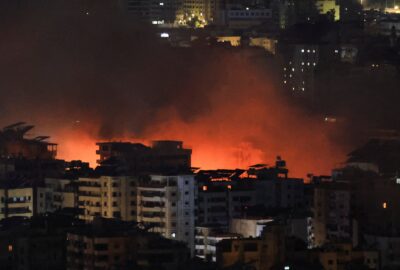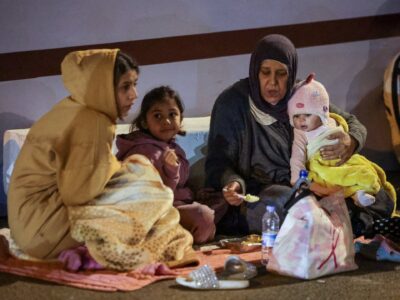
Beirut is currently experiencing severe traffic congestion following an unprecedented forced evacuation order issued by Israel. Hundreds of thousands of residents have taken to the roads, trying to leave the city, leading to widespread gridlock and travel delays across major routes.
The Israeli government’s evacuation directive appears to be driven by escalating tensions in the region, calling for safety measures amid potential threats. This move has caused panic and confusion among Beirut’s population as individuals scramble to comply with the sudden order.
Authorities in Beirut have reported that several key highways and entry-exit points are heavily congested. Emergency services are stretched thin as they attempt to manage the chaos and ensure safe passage for those evacuating.
Local officials are urging citizens to remain calm and follow instructions from the authorities to minimize risks and facilitate the evacuation process. Many residents have expressed concern over the lack of clear guidance and the rapid implementation of the evacuation, which has compounded the traffic nightmare.
The international community is closely monitoring the situation, with various governments calling for restraint and dialogue to de-escalate the mounting crisis. Humanitarian organizations are preparing to provide aid and support for displaced citizens resulting from the evacuation.
Experts warn that resolving the traffic issues will require coordinated efforts between Lebanese authorities and international partners. They emphasize the need for a clear communication strategy to better inform the public and streamline evacuation procedures.
As the situation develops, the people of Beirut face an uncertain future, caught amid political tensions and the urgent need to ensure their safety. The coming hours will be critical in managing both the evacuation logistics and maintaining public order.
This event underscores the fragile security environment in the region, highlighting the importance of peaceful conflict resolution and the protection of civilian populations during times of crisis.