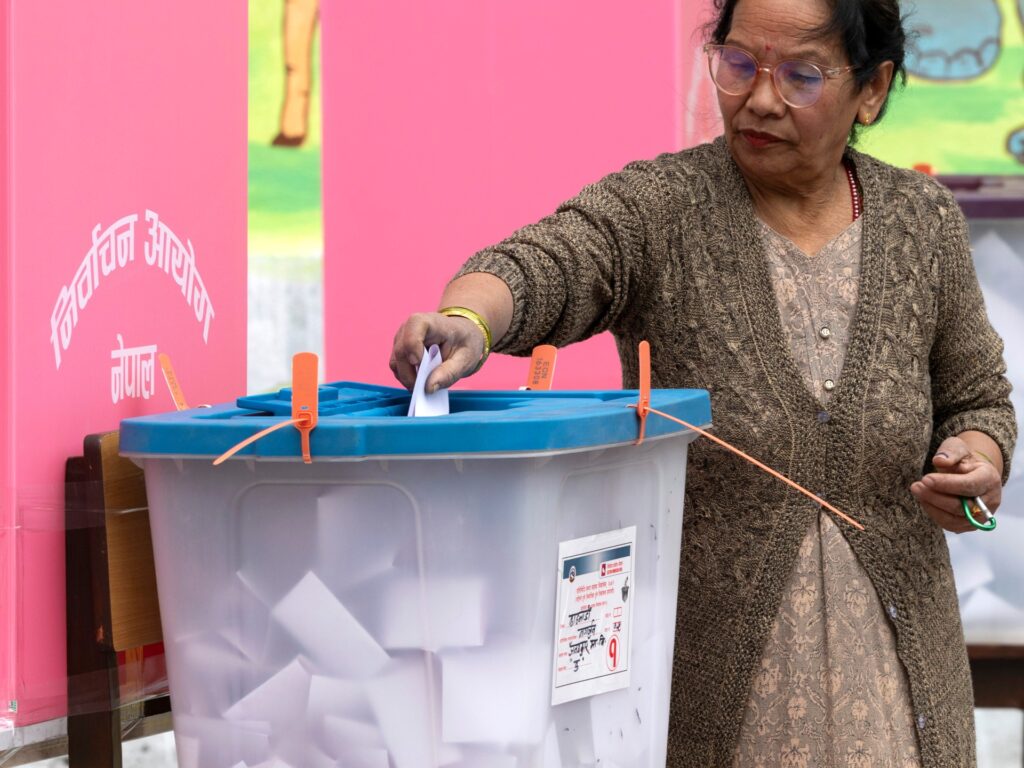
Nepal recently held a general election marked by significant public interest and participation, happening just months after a notable uprising led by Generation Z. The election is seen as a critical moment for the country’s political landscape, reflecting the voices and demands of a younger generation eager for change.
The Gen Z uprising earlier this year was characterized by widespread protests and calls for reform on various social, economic, and environmental issues. This movement, fueled by the youth’s desire for transparency, accountability, and improved governance, has evidently influenced the political climate leading up to the elections.
On election day, millions of Nepalese citizens cast their votes amid heightened security and intense scrutiny from both local and international observers. While the complete results of the election are not expected to be announced immediately, early trends were anticipated to start emerging by Friday.
Political analysts suggest that these early trends may provide insights into how the Gen Z uprising affected voter behavior. They are also watching to see whether younger voters turned out in greater numbers and if their participation altered the traditional political dynamics in the country.
This general election is crucial for Nepal as it aims to address pressing national challenges such as economic development, social inequality, youth unemployment, and climate change. The outcome may also impact Nepal’s foreign relations and ongoing efforts to modernize its political institutions.
As the nation awaits the full count and final results, there is a palpable sense of hope among many citizens that the voices of the youth and broader population will be reflected in the new government structure. The integration of the Gen Z demands into political agendas could reshape Nepal’s future policy directions and governance style.
Observers are closely monitoring the situation, understanding that the election not only represents a democratic exercise but also a potential turning point for political engagement in Nepal, especially among the younger demographics.
In summary, Nepal’s general election following the Gen Z uprising is a pivotal event with results that may influence the country’s trajectory for years to come. The coming days will reveal the full extent of this democratic exercise and its impact on Nepalese society.