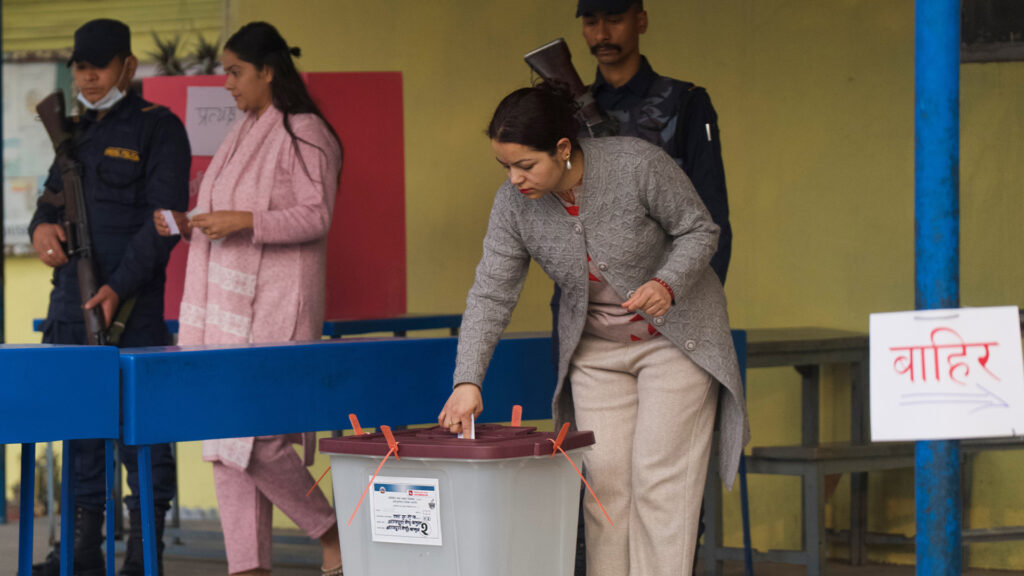
Nepal is witnessing a significant political transformation as voters head to the polls in Kathmandu, six months after youth-led protests led to the ousting of the country’s prime minister. This election is widely seen as a pivotal moment that could redefine the nation’s political landscape for years to come.
The protests, largely driven by young people frustrated with corruption, governance issues, and lack of opportunities, garnered massive support across the country. Their determination successfully pressured the government to step down, signaling the power of youth activism in shaping Nepal’s political future.
As election day unfolds, citizens in Kathmandu and other parts of Nepal are actively participating, reflecting a renewed hope for democratic renewal. Observers note the increased engagement of young voters, who are eager to elect leaders that represent their aspirations and address critical challenges.
Political analysts highlight that this election is more than a routine exercise; it’s a referendum on the impact of grassroots movements and the desire for change. Parties are recalibrating their strategies to appeal to the younger demographic, emphasizing transparency, accountability, and socio-economic development.
The international community watches closely as Nepal embarks on this new chapter. The country’s stability is crucial not just regionally but globally, given its strategic location between India and China.
Early reports indicate a high voter turnout, suggesting a vibrant democratic process strengthened by the previous months’ events. This momentum shows the potential for a political environment where leaders are more responsive to public demands.
Critics caution, however, that the real test will be how the newly elected representatives fulfill their promises and whether they can sustain the spirit of reform ignited by the youth protests.
The election process itself has been commended for being generally peaceful, a testament to Nepal’s maturing democracy despite recent upheavals.
Looking ahead, experts believe that the youth’s active participation could lead to substantive policy changes in education, employment, and governance reforms, areas that have long been sources of dissatisfaction.
Nepal’s current elections thus symbolize a broader generational shift, where the power dynamics are evolving, and the future is shaped by a more vocal, informed, and engaged populace.
This election could set a precedent for other nations grappling with similar issues, demonstrating how civic activism combined with democratic processes can pave the way for meaningful change.
As results are awaited, hope remains high that the outcome will foster unity, progress, and stability in Nepal, ensuring that the voices of its youth continue to resonate in the corridors of power.