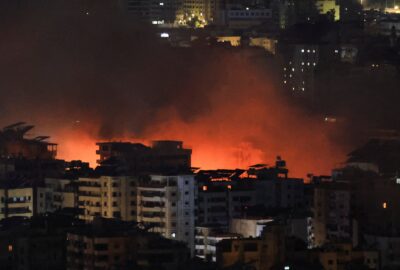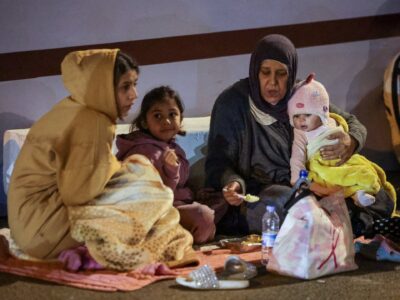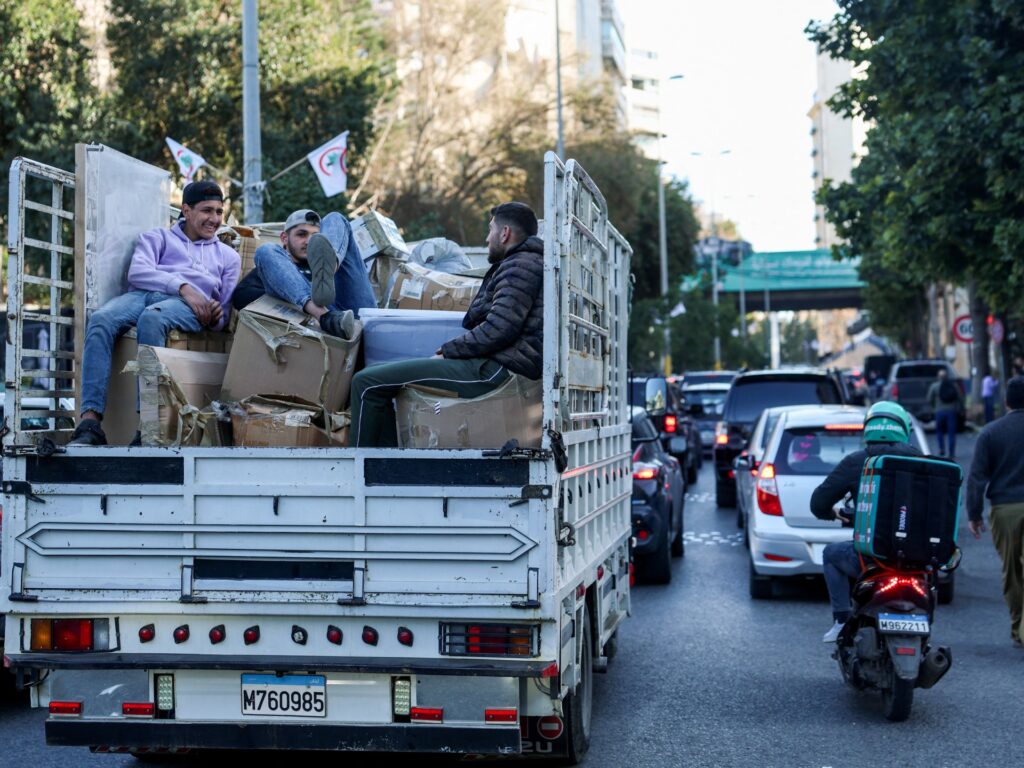
In a recent and escalating development in the ongoing conflict between Israel and Lebanon, Israel has issued a forced evacuation order for the entire Dahiyeh area, the southern suburbs of Lebanon’s capital, Beirut. This area is densely populated with hundreds of thousands of residents and is known as a stronghold for Hezbollah.
The announcement came from Israeli political figure Bezalel Smotrich, who openly threatened the Beirut suburbs, marking a significant intensification in rhetoric and military posturing. He stated that the evacuation is imperative due to ongoing military operations and security concerns from the Israeli side.
Dahiyeh, a district characterized by its thick population and strategic importance in Lebanon, has been a focal point in the ongoing regional tensions. Hezbollah, which is heavily entrenched in this area, has been a declared adversary of Israel for decades, engaged in repeated confrontations and conflicts.
The forced evacuation order has sent shockwaves through the international community, with concerns rising over the humanitarian impact on civilians. Evacuating such a vast, densely populated area comes with enormous logistical and safety challenges.
Lebanese officials have condemned the evacuation directive as a violation of international laws and an act of aggression that could exacerbate the already volatile situation in the region. Calls for restraint and diplomatic engagement have increased as the threat of broader conflict looms.
The situation highlights the fragile security dynamics between Israel and Lebanon, where decades of mistrust and hostility continue to breed periodic flare-ups. The evacuation order signals a serious shift in strategy by Israel, emphasizing preemptive measures and intensified pressure on Hezbollah’s operational bases.
Human rights organizations have expressed alarm over the forced displacement of civilians, urging all parties to prioritize the protection of non-combatants and adhere to international humanitarian standards. The risk of civilian casualties and the destruction of homes and infrastructure remain a profound concern.
The international community is closely monitoring developments, with calls for emergency talks and ceasefire negotiations to prevent escalation into a full-scale conflict. The United Nations and various global actors have urged Israel and Lebanon to return to dialogue and de-escalate tensions immediately.
This latest episode in the Israeli-Lebanese conflict underscores the enduring complexity and volatility of Middle Eastern geopolitics. It illuminates the interconnectedness of political, military, and humanitarian issues and the urgent need for peaceful resolution mechanisms.
As the situation evolves, the priority remains the safety and welfare of civilians caught in the crossfire, highlighting the essential role of international diplomacy and humanitarian aid in mitigating the crisis.
With the forced evacuation order granting a tight deadline for residents to leave the Dahiyeh suburbs, the coming days are critical. The focus will be on how Lebanon manages the evacuation, Israel’s military actions, and the international response to prevent a broader regional conflict.