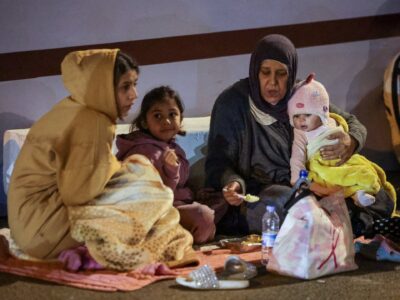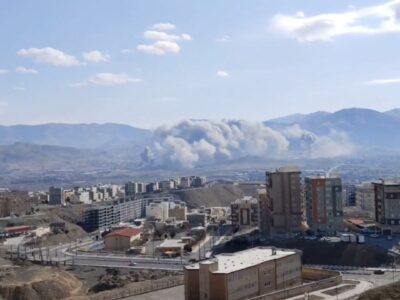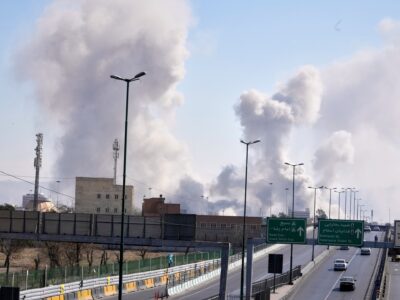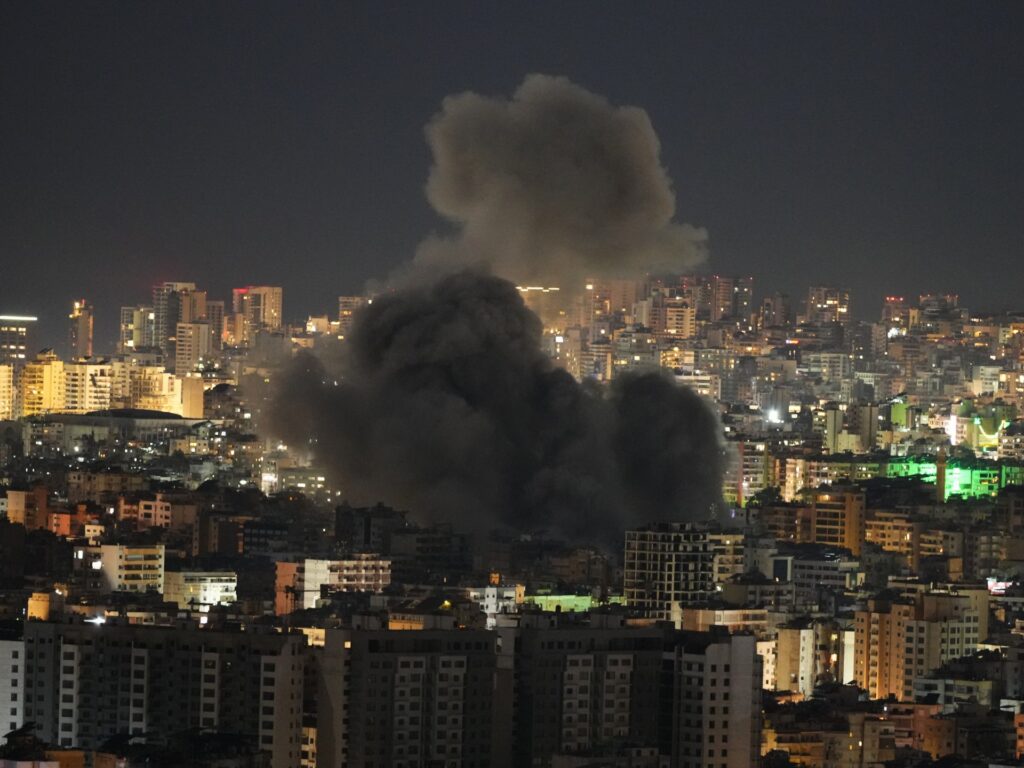
In a significant escalation of tensions in the Middle East, Israeli forces have launched strikes targeting the southern suburbs of Beirut. These areas are known for their dense population and association with various Lebanese factions, some with ties to Iran. The striking development comes amid heightened concerns over the safety of Iranian officials operating within Lebanon.
The Israeli military’s operation has reportedly aimed at strategic locations in Beirut’s southern suburbs, a region that has historically seen confrontations linked to the broader Israeli-Lebanese and Israeli-Iranian conflicts. The strikes have drawn immediate attention from regional and international observers, given the sensitive nature of the area and the potential for wider conflict escalation.
Amid these developments, Iran has issued stern warnings against any attempts to target its embassy or Iranian nationals in Lebanon. Iran’s government has emphasized that any strike or interference with its diplomatic missions or personnel would be met with serious repercussions. This announcement underscores Tehran’s commitment to protecting its interests and allies in the region.
The southern suburbs of Beirut, predominantly populated by Shia Muslim communities, have long been a stronghold of Hezbollah, a Lebanese militant and political organization allied with Iran. Hezbollah’s presence complicates the situation, as Israeli strikes often aim to weaken its military capabilities but risk causing civilian casualties and widespread destruction.
The strike and corresponding threats have raised fears of a broader regional conflict involving Israeli, Lebanese, and Iranian actors. The situation is precarious, as any miscalculation or escalation could lead to significant instability in Lebanon, where political and economic crises are already pressing.
International reactions have varied, with calls for de-escalation and dialogue to prevent further violence. Many countries have expressed concern over the potential humanitarian impact on the civilian population of Beirut’s southern suburbs and the risk of drawing neighboring countries into a wider conflict.
The ongoing hostilities also highlight the complex web of alliances and enmities in the Middle East, where Israeli security concerns and Iranian regional ambitions frequently clash. This cycle of violence underscores the challenges in achieving lasting peace and stability in Lebanon and the broader region.
As the situation develops, attention will be focused on the responses from Lebanese authorities, Hezbollah, Iran, and the international community. Efforts to contain the violence and seek diplomatic solutions remain crucial to prevent further deterioration of the already fragile security landscape.
In summary, the Israeli strikes on Beirut’s southern suburbs amid threats targeting Iranian officials represent a critical flashpoint in Middle Eastern geopolitics. The unfolding events demand careful monitoring as they have the potential to reshape regional dynamics and influence the prospects for peace in Lebanon and beyond.