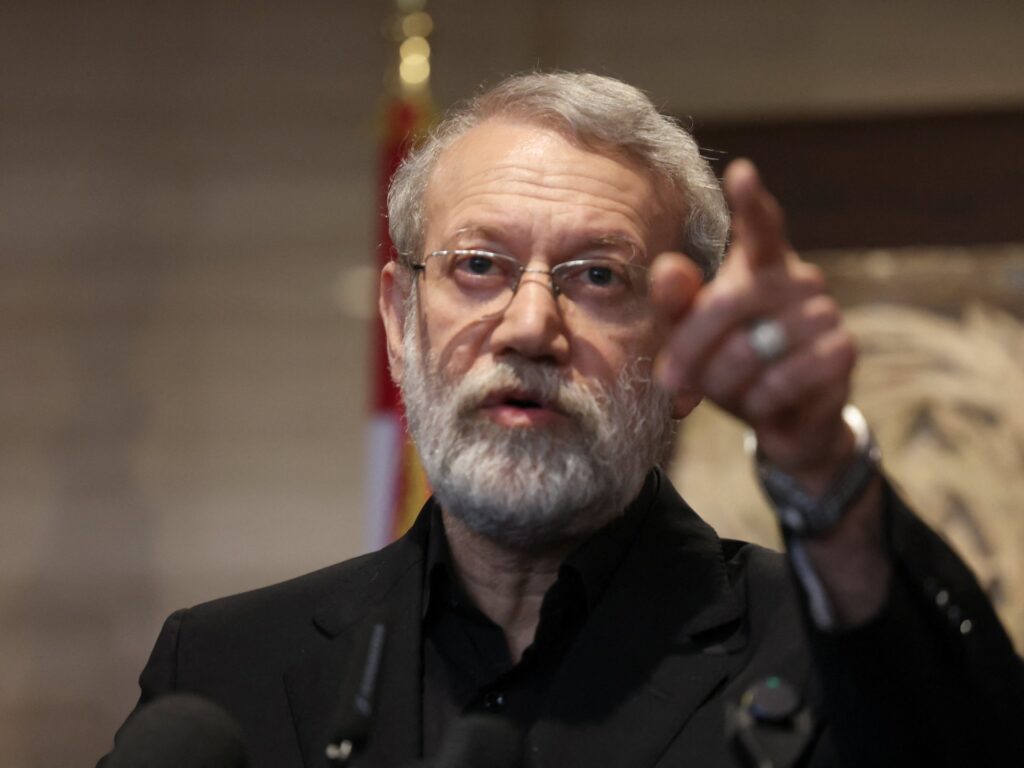
Tensions between the United States and Iran continue to escalate amid ongoing conflict and high-profile rhetoric from both sides. In recent developments, a top Iranian official has declared that Iranians are ‘ready to disgrace’ US troops should an invasion take place, signaling a defiant stance against potential military actions by the US.
The statement came amid an already volatile situation marked by ongoing hostilities and diplomatic strains between the two nations. Iran’s official rhetoric reflects a strong nationalist sentiment and readiness to confront what it perceives as external threats to its sovereignty and security.
Further intensifying the situation, former US President Donald Trump made public remarks about his ambitions to be ‘involved in the appointment’ of Iran’s next supreme leader. Trump’s comments suggest an active interest in influencing Iran’s political future, which has fueled further tensions with Tehran.
Trump’s statement reflects his long-standing posture towards Iran, which was characterized by a maximum pressure campaign and a tough stance on Iran’s nuclear program during his presidency. His insistence on involvement in the selection process of Iran’s supreme leader is unprecedented and signifies a potential escalation in efforts to challenge the established Iranian regime.
The Iranian response underscores the deep-seated mistrust and animosity that continues to define the US-Iran relationship. Iranian officials have historically been wary of American intentions, and this latest declaration of readiness to confront US troops serves as a warning against any military incursions.
Experts note that such rhetoric, while common in the heated political atmosphere surrounding these two countries, raises concerns about the possibility of conflict escalation. The declaration to ‘disgrace’ invading troops is both a psychological statement aimed at deterrence and a demonstration of Iran’s preparedness to defend itself vigorously.
International observers are closely watching the situation, as any military confrontation between the US and Iran could have wide-reaching implications for regional security and global stability. The US has military forces stationed in the Middle East, and the prospect of escalation remains a critical concern for allied countries and global markets.
Diplomatic efforts continue alongside the harsh rhetoric, with various international actors calling for restraint and dialogue to prevent further deterioration of relations. The enduring conflict and conflicting ambitions regarding Iran’s leadership and policies are key points of contention.
In summary, the recent statements from both Iranian officials and former President Donald Trump highlight the fragile and volatile nature of US-Iran relations in 2024. With Iran prepared to confront potential invasion and Trump expressing interest in influencing Iran’s supreme leadership, the geopolitical landscape in the Middle East remains uncertain.
The international community awaits developments with cautious optimism, hoping for diplomatic resolutions over military confrontations. Meanwhile, the rhetoric of readiness to ‘disgrace’ invading forces serves as a stark reminder of the ongoing risks and challenges in maintaining peace and security in the region.