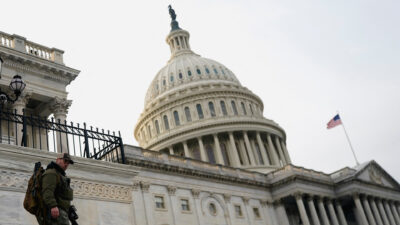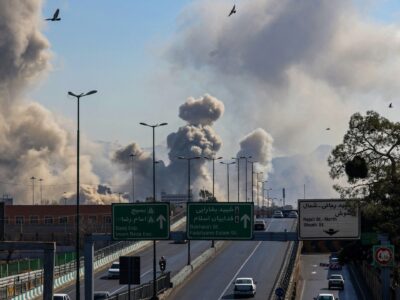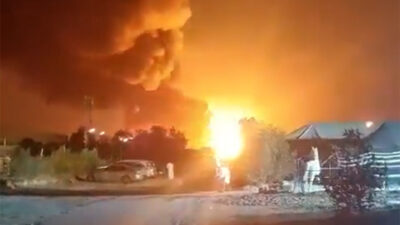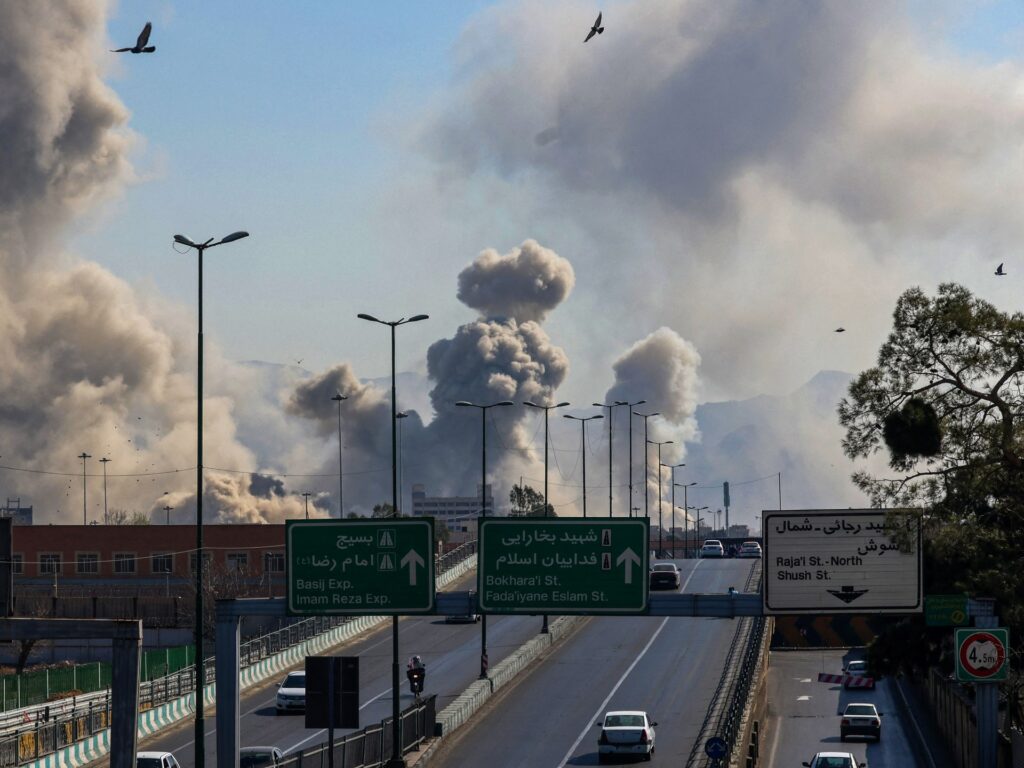
In the latest developments concerning tensions between the United States and Iran, former President Donald Trump has publicly stated that Iran is being ‘demolished’ as attacks in the Gulf region persist. Trump’s remarks underscore his administration’s aggressive stance toward Iran, highlighting ongoing conflict dynamics that have escalated over recent months.
These comments come against the backdrop of continued hostile incidents in the Gulf, which have involved various military and strategic maneuvers. The Gulf attacks, which have contributed to rising regional instability, are viewed by many as part of a broader power struggle between Iran and its regional and international adversaries.
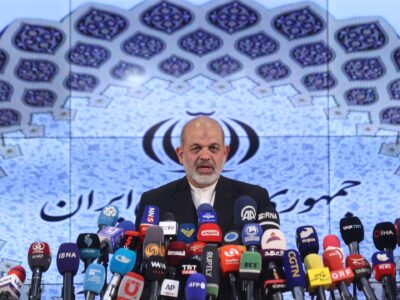
Iran’s Foreign Minister, Abbas Araghchi, responded decisively to these developments, rejecting the idea of negotiations with the United States under current circumstances. Araghchi emphasized a lack of trust in Washington’s intentions, stating explicitly that there is ‘no reason why we should negotiate.’ This statement reflects the deep mistrust and strained diplomatic relations between the two nations.
The breakdown in dialogue comes at a time when diplomatic solutions are being sought internationally to de-escalate tensions and prevent further conflict in the region. However, with inflammatory rhetoric from both sides and continued incidents in the Gulf, prospects for immediate reconciliation appear dim.
Iran’s firm stance and calls for dialogue with other international parties suggest a desire to resist what it perceives as undue pressure from the U.S. Conversely, Trump’s declarations highlight a policy of maximum pressure aimed at curbing Iran’s influence and capabilities.
Analysts note that the situation remains highly volatile, with potential repercussions for global energy supplies, given the strategic importance of the Gulf region. The international community continues to watch closely, urging restraint and the resumption of diplomatic engagement to ensure stability in a region critical to world trade and security.
In summary, the clash of rhetoric and ongoing attacks signal a deepening crisis between Iran and the United States, with significant implications for regional peace and international relations. The pathway to dialogue appears obstructed by mutual distrust, as parties remain entrenched in their positions amidst escalating incidents along the Gulf.
The coming weeks will be critical in determining whether diplomacy can prevail or if the region will face further deterioration in the conflict between these geopolitical adversaries.