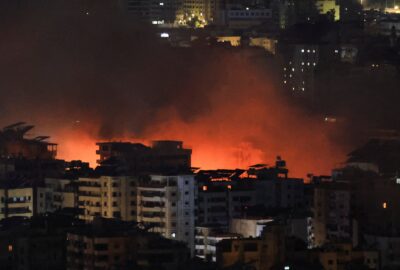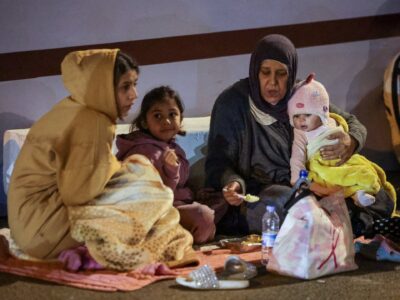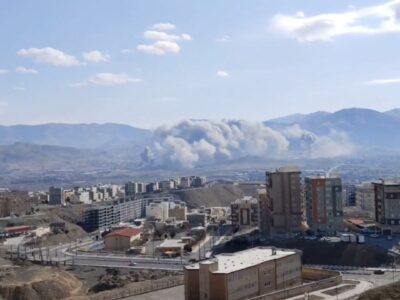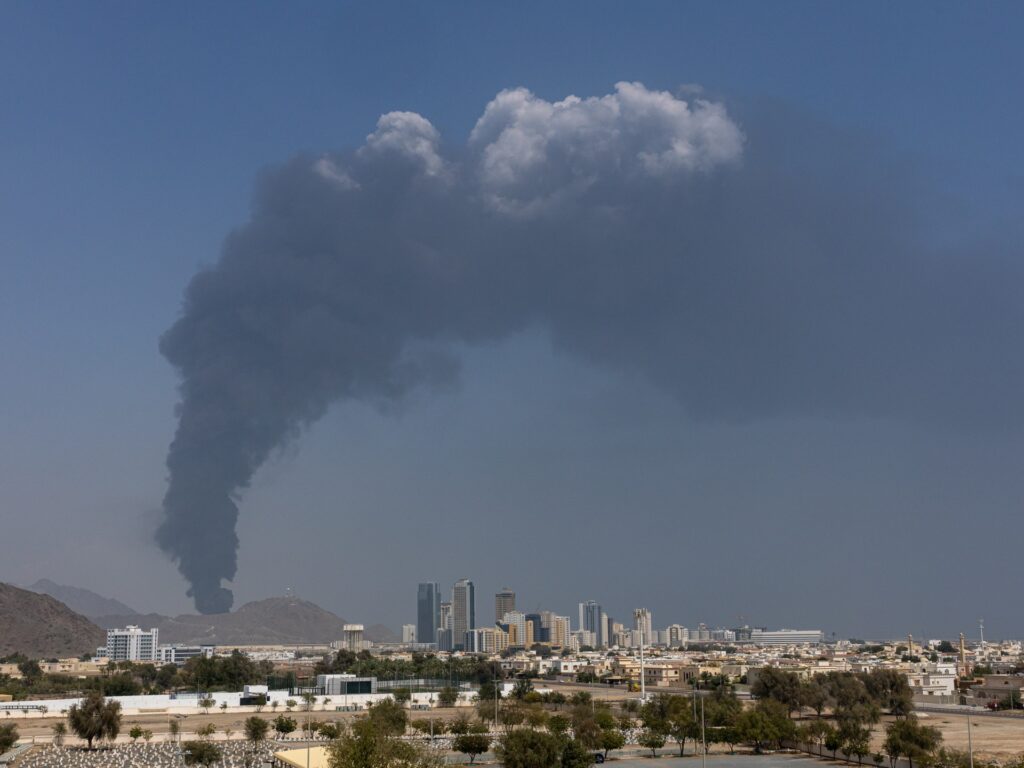
The Gulf region is witnessing a significant escalation in military confrontations as Iran intensifies its missile and drone attacks across various countries in the area. This surge in Iranian aggression comes amid a backdrop of continued military operations by the United States and Israel, who have pledged to maintain their offensive stance against Iranian forces and affiliated groups.
In recent weeks, Gulf countries including strategic locations near vital shipping lanes and military installations have been targeted by missiles and unmanned aerial vehicles (drones), which Iranian forces have reportedly launched in response to ongoing US and Israeli strikes. These attacks have raised concerns about the stability of the region, given the vital importance of Gulf security to global energy markets and international trade.
The United States and Israel have publicly affirmed their commitment to continued pressure on Iran, citing Tehran’s support for proxy groups and its alleged involvement in regional destabilization. Military officials from both countries have emphasized the necessity to degrade Iran’s capabilities to carry out attacks and supply militant elements.
Gulf Cooperation Council (GCC) nations have condemned the missile and drone strikes, calling for an immediate cessation of hostilities and a return to diplomatic dialogue. However, the escalation appears to be fueled by deepening mistrust and strategic rivalries in the region.
Experts warn that if this cycle of retaliation continues, the risk of broader conflict involving other regional and global powers could increase significantly. This ongoing conflict not only threatens the security of Gulf nations but also impacts global oil prices and international shipping.
Meanwhile, diplomatic efforts to de-escalate tensions have seen limited success, with conflicting interests among the parties making negotiations challenging. The international community continues to urge restraint and the pursuit of peaceful solutions to avoid further destabilization of the Gulf and beyond.
This latest flare-up underscores the fragile state of Middle Eastern geopolitics and the profound impact of continued military engagements on regional peace and security. Observers remain vigilant as developments unfold, highlighting the need for sustained international engagement to prevent a full-scale crisis.