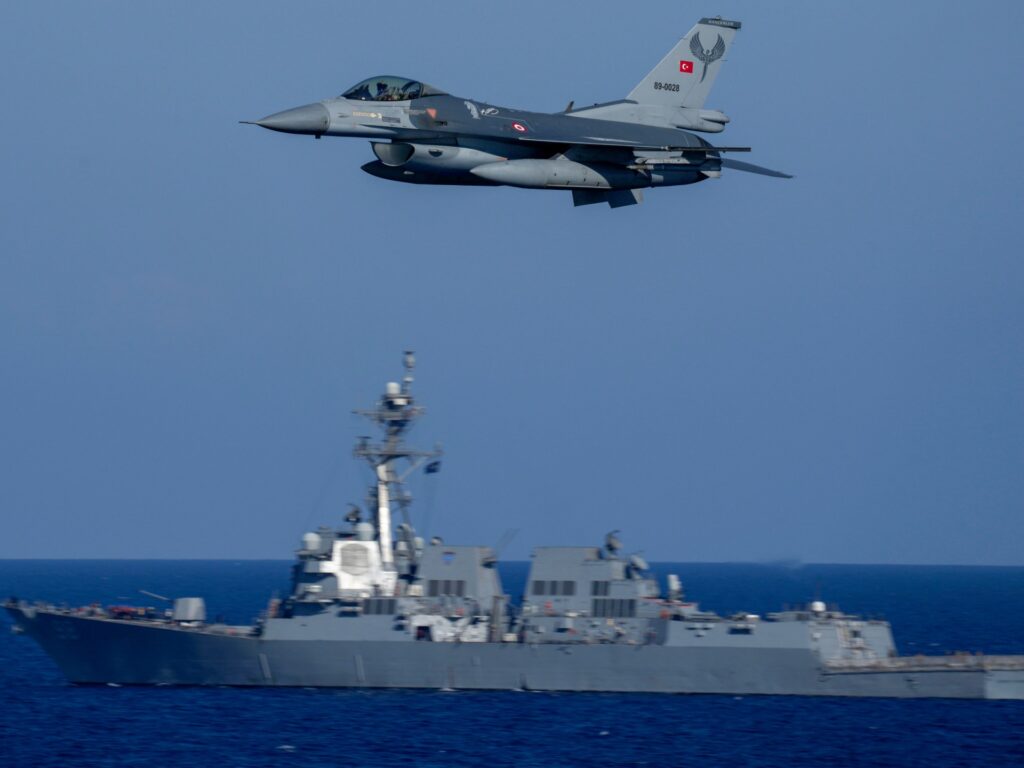
In a recent development, Turkiye’s Defence Ministry reported that a ballistic missile was intercepted and destroyed by NATO forces over the eastern Mediterranean. This significant event sparked concerns and questions regarding the origin of the missile. Initially, there were speculations linking the missile to Iran, given the geopolitical dynamics in the region. However, Iran has officially denied any involvement in firing the missile towards Turkiye.
According to sources from Turkiye’s Defence Ministry, the missile was detected in the airspace over the eastern Mediterranean and posed a potential threat, prompting NATO to take immediate action. NATO’s interception prevented any potential damage or escalation, underscoring the alliance’s vigilance in maintaining regional security.
The missile interception highlighted the volatile security situation in the Mediterranean region, where multiple countries have complex interactions and sometimes conflicting interests. Following the event, diplomatic communications intensified, with Iran categorically rejecting the allegations that it launched the missile. Tehran described the accusations as unfounded and emphasized its commitment to regional stability.
Experts suggest the missile’s origin is a critical issue that requires thorough investigation to avoid misunderstandings that could escalate into broader conflicts. The interception by NATO reflects the alliance’s rapid response capabilities and its role in safeguarding member states against aerial threats.
Turkiye, a key NATO member in the region, remains vigilant and has called for calm and restraint from all parties involved. The Defence Ministry is collaborating with NATO allies to conduct a detailed analysis of the incident and enhance missile defense systems to prevent similar occurrences in the future.
This incident comes amid heightened tensions in the eastern Mediterranean, where maritime, territorial, and political disputes continue to challenge peace and diplomacy. Regional experts advocate for increased dialogue and confidence-building measures to reduce the risk of military confrontations.
The denial from Iran adds another layer of complexity to the situation, making it imperative for international observers and organizations to engage in transparent fact-finding efforts. The goal is to ensure accurate information dissemination and to prevent misinformation from exacerbating regional tensions.
In summary, the missile destruction by NATO over the eastern Mediterranean has drawn considerable attention to the security dynamics in the area. Iran’s denial of involvement calls for careful investigation and diplomacy to maintain peace and stability. NATO’s proactive defense measures demonstrate its commitment to protecting member countries and promoting regional security amidst ongoing challenges.