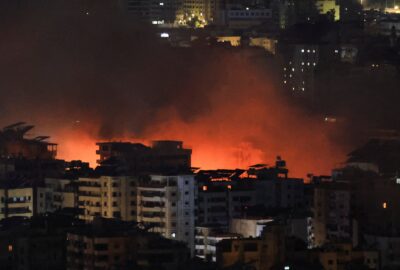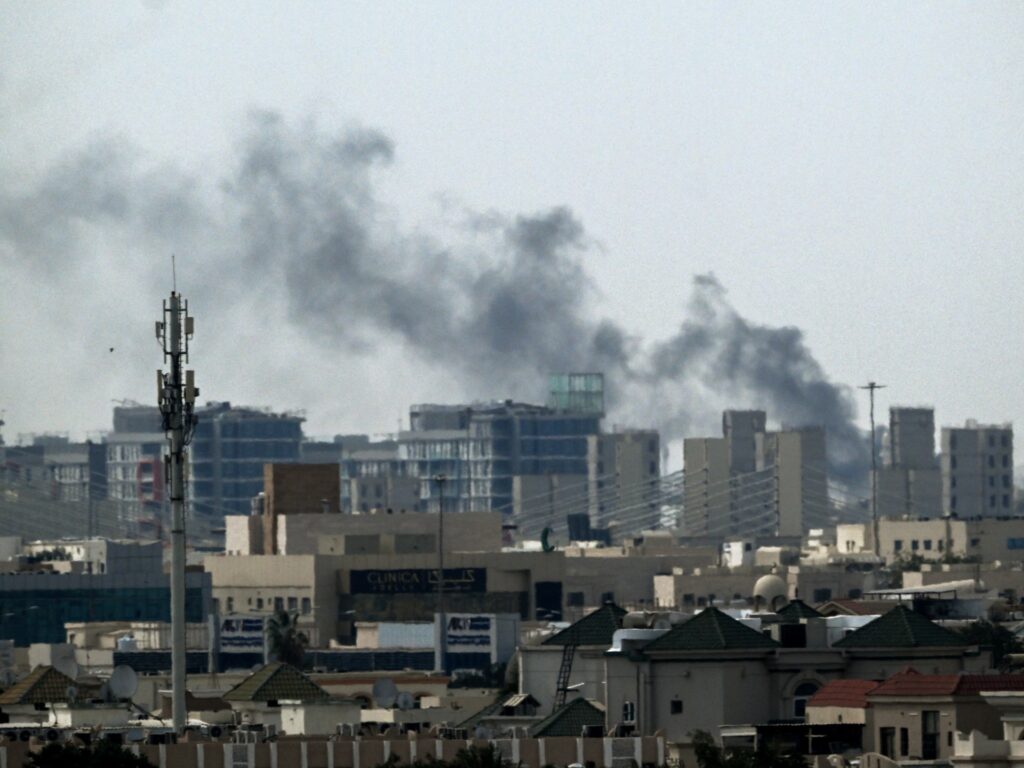
European Union leaders have openly expressed their solidarity with Gulf countries in response to recent attacks attributed to Iran. Following high-level talks held in Brussels, leaders from the EU and the Gulf Cooperation Council (GCC) jointly condemned what they described as ‘unjustifiable Iranian attacks’ impacting stability across the region.
The discussions in Brussels highlighted escalating tensions in the Gulf, emphasizing a united stance against actions perceived as aggressive provocations by Iran. Both EU and GCC leaders underscored the importance of regional peace and security, advocating for diplomatic efforts to de-escalate conflicts.
This expression of unity comes amid a series of incidents that have heightened concerns about regional security, affecting maritime routes, energy supplies, and the safety of states within and surrounding the Gulf.
EU officials reiterated support for their Gulf partners, stressing the need for a peaceful resolution through dialogue and adherence to international law. They emphasized the significance of collaborative security measures and intelligence sharing to prevent further attacks.
The GCC, comprising six Gulf nations, welcomed the EU’s stance, viewing it as a crucial endorsement of their sovereignty and a deterrent against any future hostile acts. Both parties agree that addressing underlying political disputes is essential for long-term stability.
Analysts note that the joint condemnation reflects a strategic alignment between Europe and Gulf countries, who share economic and geopolitical interests, particularly concerning energy resources and trade routes.
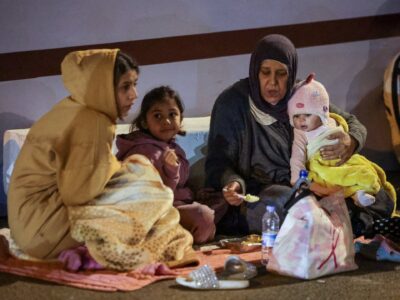
The Brussels talks also touched upon humanitarian concerns stemming from the conflicts, with commitments to support affected populations and facilitate aid delivery.
Going forward, EU and GCC leaders plan to enhance cooperation on security, economic partnerships, and cultural exchange, aiming to build a resilient alliance against threats posed by destabilizing activities in the Gulf region.
The unified front presented by the EU and Gulf Cooperation Council serves as a clear message against aggression and signals a call for peace and diplomatic engagement in one of the world’s most strategically significant areas.