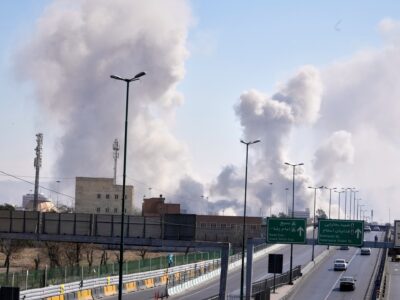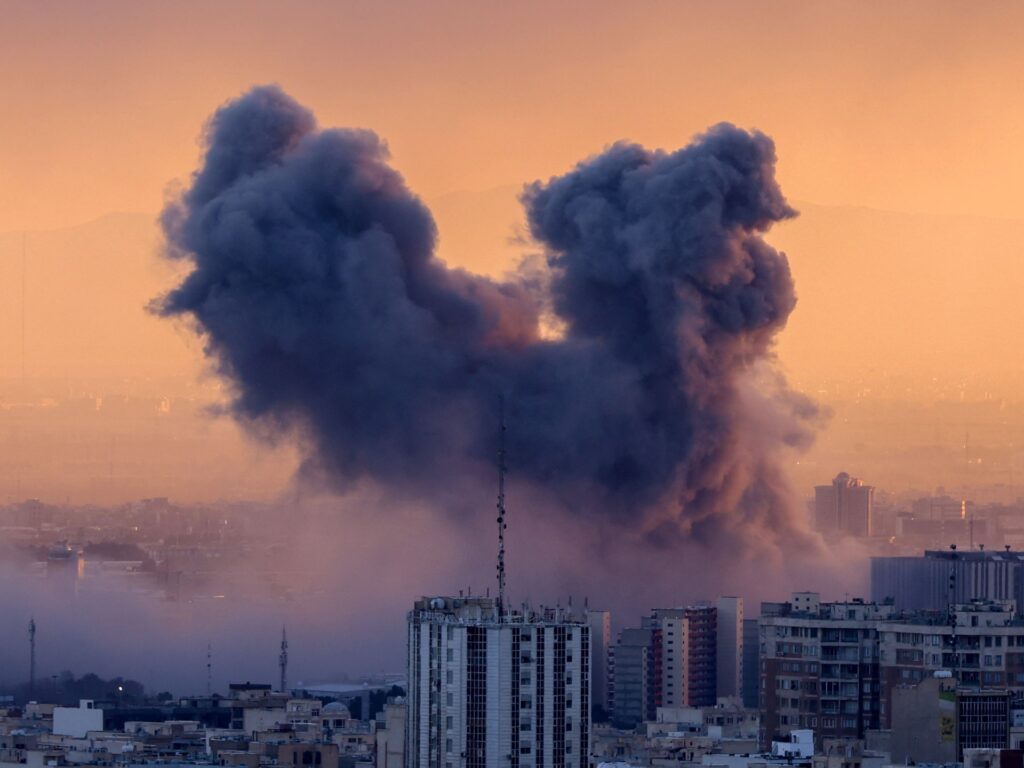
Day six of the ongoing US-Israel offensive against Iran signals an intensification of conflict and heightened regional tensions. Since the strike began, military confrontations and strategic maneuvers have increased, showcasing growing hostilities.
The offensive, reportedly initiated to target critical Iranian military and nuclear infrastructure, has seen escalation in both aerial bombardments and cyber warfare. The combination of physical and digital attacks underlines the multifaceted approach employed by US and Israeli forces.
Iran has condemned the attacks, labeling them as violations of sovereignty and international law, and vowed to retaliate. Iranian officials have called for international intervention to halt the strikes and avoid further destabilization of the Middle East.
On the ground, reports indicate increased military alertness among Iranian forces, including mobilization of troops and air defense units across strategic locations. There are indications of Iran leveraging proxy groups in neighboring countries to push back against US-Israeli interests.
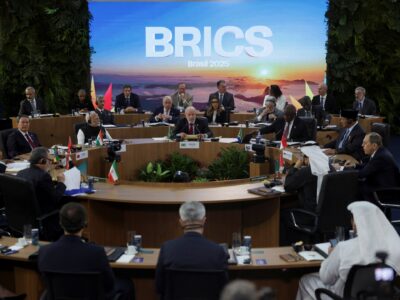
Neighboring nations express growing concern over the conflict’s wider consequences, fearing spillover effects on regional security and economic instability. Some countries have called for urgent peace talks, emphasizing dialogue over military confrontation.
The United States government asserts its commitment to dismantling what it describes as Iran’s threatening capabilities while seeking to reassure regional allies of continued support. Israel emphasizes the necessity of these operations for its national security.
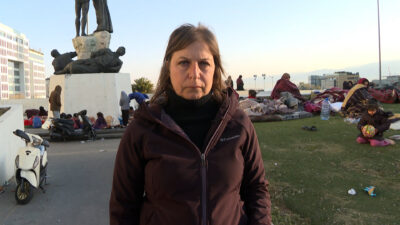
Amid this backdrop, the civilian population in Iran faces escalation risks including infrastructure damage and humanitarian challenges. International organizations are calling for measures to protect civilians and provide necessary aid.
With the conflict unresolved on day six, the world watches closely as diplomatic efforts and military actions intertwine in a precarious balance. The outcomes of this offensive could redefine regional alliances and security paradigms in the Middle East for years to come.