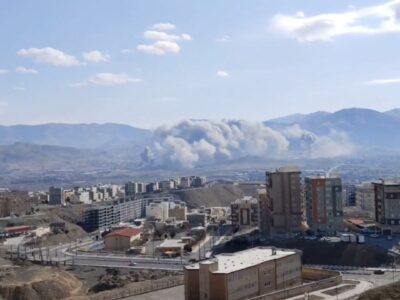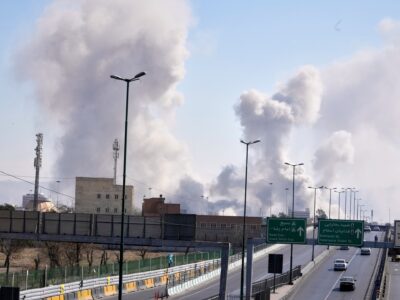
Tensions in the Middle East have escalated further as Iran intensified its military activities, targeting US assets in the region. Recently, a US military base in Iraq came under drone attack believed to be conducted by Iranian forces or their proxies, marking a significant uptick in confrontations between Iran and US interests in the Gulf.
Simultaneously, the capital of Qatar, Doha, experienced a series of explosions that have added to the region’s instability. Reports suggest that these incidents are part of a broader pattern of violence affecting Gulf Arab states, which have also reported the downing of several drones over their territories.
The attacks come at a time of heightened geopolitical friction, with Gulf states on alert for further Iranian aggression. The drone strikes against US installations in Iraq underscore the ongoing proxy confrontations and the fragile security environment in the region.
Experts warn that such attacks could escalate tensions further and derail any existing diplomatic efforts aimed at resolving conflicts peacefully. The US has condemned the drone strike on its base, reaffirming its commitment to protecting its forces and allies in the Middle East.
Meanwhile, Gulf countries are increasing their surveillance and defense measures to counter potential threats, highlighting the increasing militarization of the area. The downing of drones over Gulf Arab airspace also indicates an active attempt to intercept and neutralize aerial threats posed by Iranian-backed forces.
The geopolitical implications of the events are significant as they not only affect the immediate security situation but also have broader consequences for international relations and energy markets, given the strategic importance of the Gulf region.
International actors continue to call for restraint and dialogue, emphasizing the need to de-escalate the situation and prevent further violence. However, until a meaningful diplomatic solution is achieved, the risk of further conflict remains high, with Iran’s actions setting a dangerous precedent for regional warfare and international involvement.
The recent attacks highlight the complex and volatile nature of Middle Eastern geopolitics, where alliances and hostilities often shift, creating an environment fraught with uncertainty and potential for rapid escalation. The international community watches closely, aware that incidents of this nature can quickly spiral into broader confrontations affecting global peace and security.