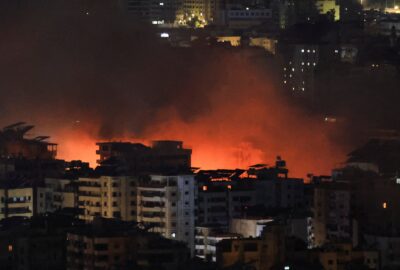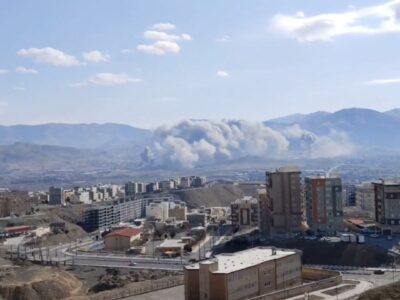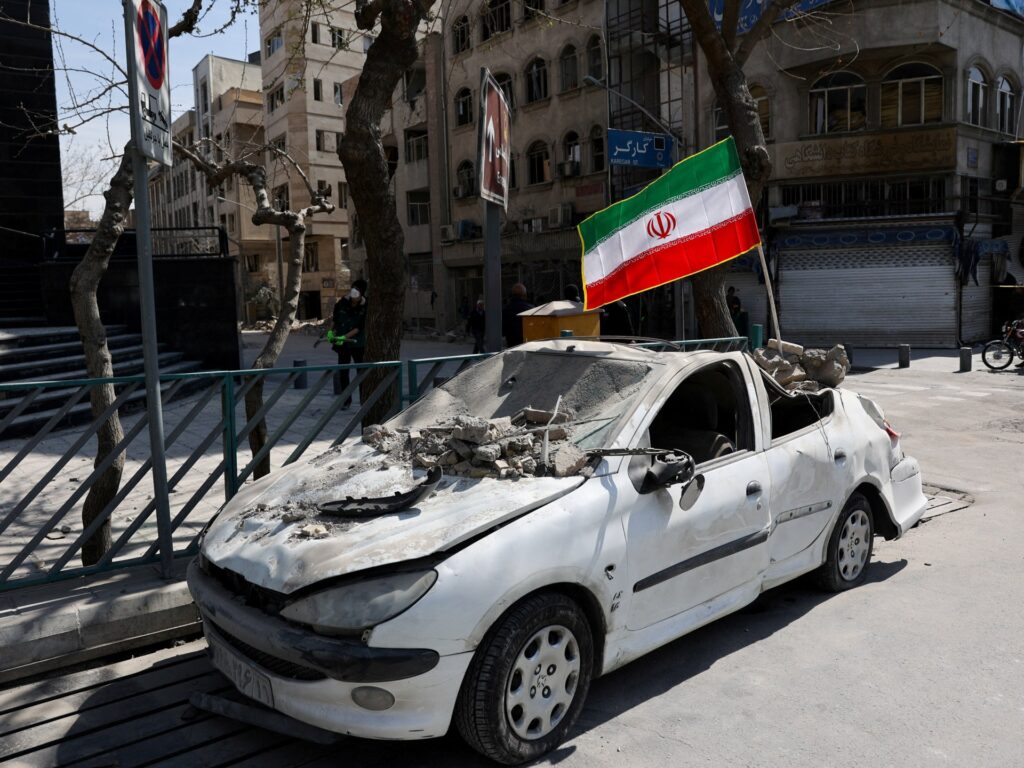
As conflict spreads across Iran, the ripple effects are deeply felt far beyond its borders, touching the lives of millions of Iranians scattered worldwide. The ongoing crisis has plunged the Iranian diaspora into emotional turmoil, evoking a powerful blend of anguish, nostalgia, and uncertainty about what lies ahead.
For many Iranians living abroad, the distress is not just about the present conflict but also about their profound connection to a homeland grappling with upheaval. Memories of Iran’s vibrant culture, family ties, and peaceful times contrast starkly with the scenes of turmoil and violence reported in the media. This juxtaposition generates a deep emotional conflict within the diaspora, highlighting the complex relationship between homeland identity and the realities of displacement.
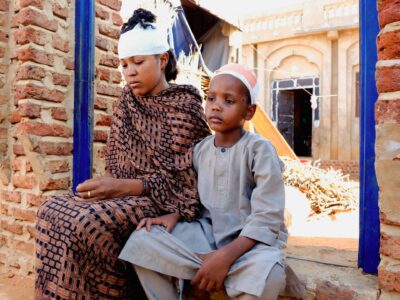
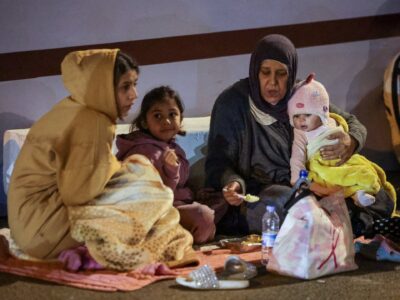
Families remain fractured, with loved ones separated by borders amid the chaos. Communication can be sporadic, fraught with anxiety over the safety of relatives and friends. The diaspora experiences a unique form of helplessness, as they are unable to intervene directly but share the pain and hope for peace.
Community organizations and activists within Iranian expatriate circles have mobilized to provide support, raise awareness, and advocate for humanitarian aid. Virtual gatherings and social media platforms have become vital spaces for sharing news, expressing grief, and rallying collective resilience.
The conflict has also reignited debates within the diaspora about identity, politics, and their role in shaping Iran’s future. Diverse voices call for unity, emphasizing that while political views may differ, the shared desire for stability and peace must prevail.
Young Iranians abroad often find themselves caught between multiple worlds—the culture of their birth or heritage and the society in which they now live. This duality becomes particularly pronounced during times of crisis, prompting many to explore their roots more deeply while confronting the challenges of integration and belonging.
Looking ahead, uncertainty looms large. The outcome of the conflict will inevitably shape the lives of millions, influencing migration patterns, cultural exchange, and international relations. For now, the Iranian diaspora stands united in empathy, prayer, and a steadfast hope for a resolution that honors the dignity and aspirations of all Iranians.
In these trying times, the shared experiences of suffering and resilience forge an unbreakable bond among Iranians worldwide—one that transcends geography and politics, anchored in humanity and the enduring spirit of a people longing for peace.