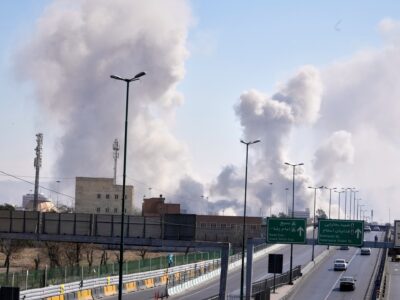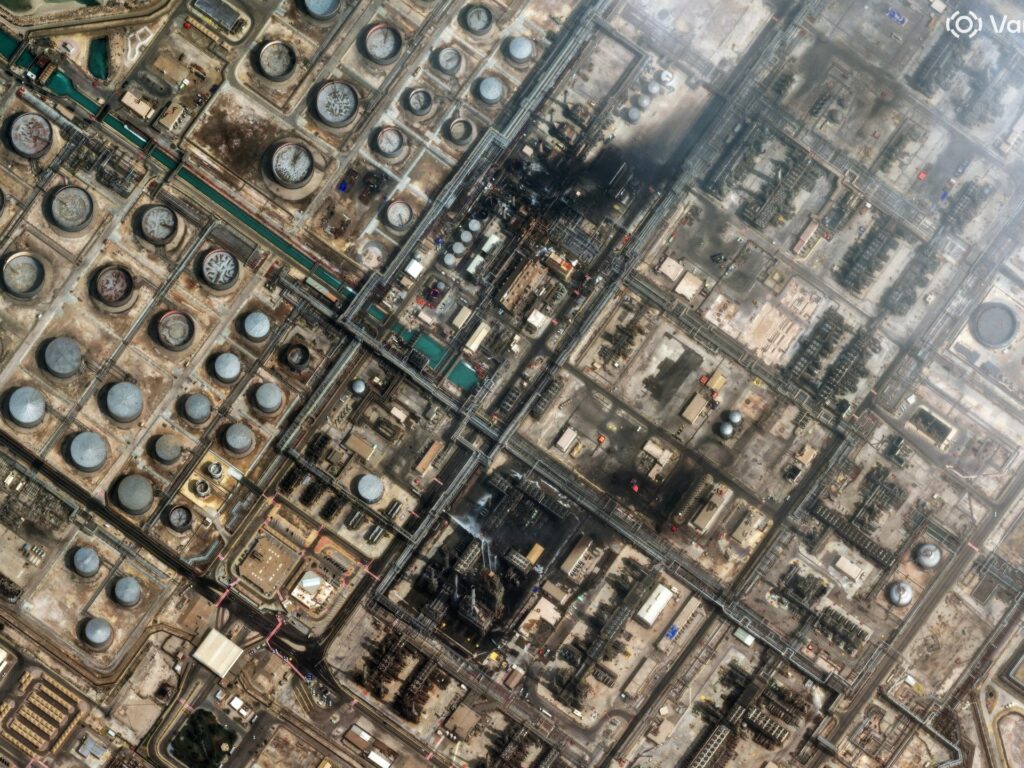
In a significant escalation of regional tensions, a drone targeted a US military base in Iraq, marking the latest in a series of attacks linked to Iran amid ongoing conflicts involving the US and Israel. This incident underscores the volatile security environment in the Middle East, where geopolitical dynamics continue to impact stability.
The attack on the US base is part of a broader pattern of assaults reportedly conducted by Iranian-backed forces or Iran itself, aimed at US assets across the Middle East. These actions coincide with a wider backdrop of hostilities as the US and Israel navigate their complex and often adversarial relationship with Iran.
Concurrently, Gulf Arab states have reported a series of explosions and the downing of multiple drones, further complicating the regional security landscape. The incidents suggest a multifaceted threat environment where various state and non-state actors are engaged in covert and overt operations.
The US has maintained a strategic military presence in Iraq and other parts of the Middle East to counter threats from groups such as ISIS and to check Iran’s influence in the region. However, these recent attacks highlight the risks and challenges faced by US forces in a region marked by longstanding sectarian, political, and military tensions.
Iran’s continued assaults are seen as part of a broader strategy to assert its regional influence and retaliate against what it perceives as US and Israeli aggression. The drone attack in Iraq represents not only a tactical strike but also a symbolic gesture underscoring Iran’s willingness to escalate conflicts amid ongoing diplomatic efforts to resolve nuclear and security issues.
Gulf Arab states, some of which have normalized relations with Israel in recent years, find themselves caught in the crossfire. The explosions and drone activities reported in these countries reflect the spillover effects of the US-Israel-Iran conflict, raising concerns about the potential for wider regional destabilization.
Diplomatic sources indicate that efforts are underway to de-escalate tensions, with international actors urging all parties to exercise restraint. Yet, with militant groups and state actors continuing to deploy advanced technology like drones, the risk of further incidents remains high.
Analysts warn that the evolving conflict may lead to more unpredictable confrontations, raising the stakes for both regional and global security. The interplay between Iran’s military campaigns, US strategic responses, and Gulf state security protocols will be crucial in determining the trajectory of stability in the Middle East.
The drone strike against the US base in Iraq is a stark reminder of the fragile peace in the region and the complex web of alliances, enmities, and strategic interests that define Middle Eastern geopolitics today. As the US and its allies seek to counter these threats, the path to a peaceful resolution remains fraught with challenges and uncertainties.