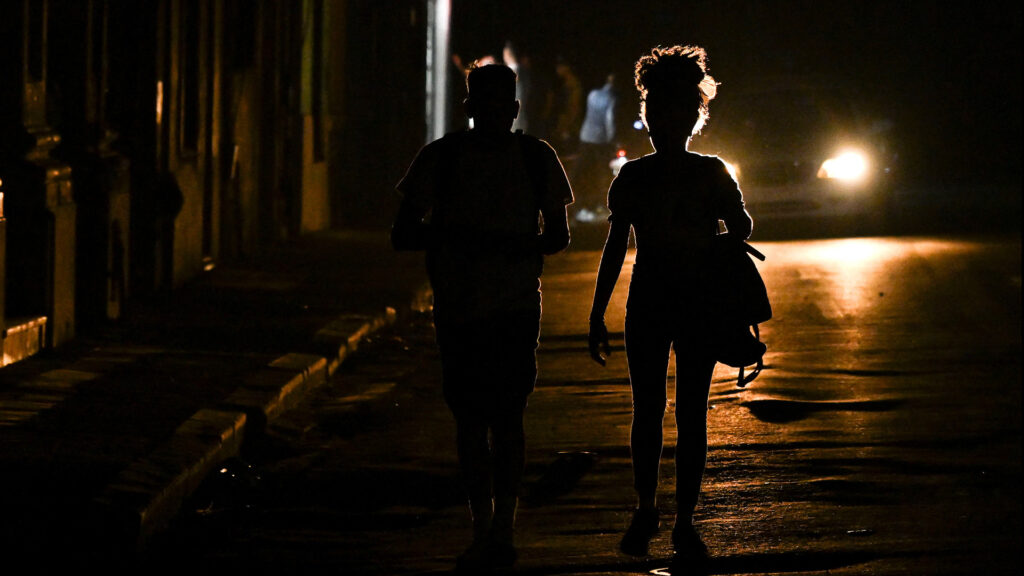
Cuba is currently grappling with a massive power outage that has plunged two-thirds of the country, including its capital Havana, into darkness. This blackout has severely disrupted daily life, affecting households, businesses, and critical infrastructure. The widespread loss of electricity highlights the ongoing energy challenges facing the island nation.
Experts and officials have pointed to the mounting pressure from US sanctions targeting Cuba’s oil supplies as a significant factor exacerbating the energy crisis. These sanctions have limited Cuba’s ability to import the fuel necessary to generate electricity, compounding the difficulties in maintaining stable energy production.
The blackout comes at a time when Cuba’s economy is already under strain, with shortages of essential goods and financial difficulties. Power outages of this scale not only disrupt the functioning of hospitals, transportation, and communication networks but also heighten the hardship faced by ordinary Cubans.
In Havana, residents have reported prolonged blackouts lasting several hours, forcing many to rely on makeshift solutions for lighting and cooling. The situation has also sparked concerns about public safety, as street lighting failures increase the risk of accidents and crime.
Authorities have assured that efforts are underway to restore power and stabilize the grid, but the energy supply remains fragile. The Cuban government is also calling for international solidarity to ease sanctions and support energy imports for the country.
Analysts warn that unless there is a significant easing of sanctions or alternative energy sources are secured, Cuba could continue to face recurrent blackouts. This energy instability threatens to undermine the country’s socio-economic recovery and worsen the living conditions of its population.
The power outage in Cuba serves as a stark illustration of how geopolitical tensions and economic sanctions can directly impact the everyday lives of people by affecting critical infrastructure like energy supply. It underscores the urgent need for dialogues and international cooperation to address the humanitarian implications while pursuing political objectives.
As Cuba works to navigate through this crisis, the international community watches closely, aware that energy security is not only a matter of national stability but also of regional importance in the Caribbean.
Moving forward, regions dependent on imported oil, like Cuba, may have to accelerate investments in renewable energy and diversify their sources to build resilience against similar crises. This blackout stands as a critical reminder of the vulnerabilities in energy systems globally and the human cost of geopolitical conflicts.