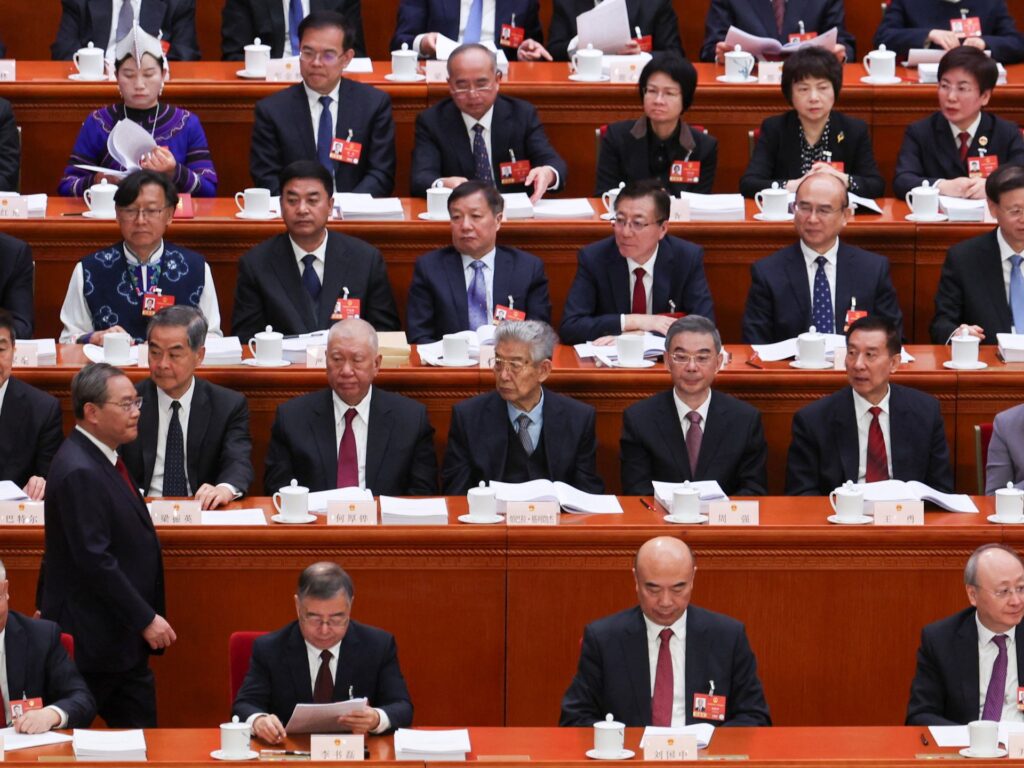
At a significant session of the National People’s Congress, China has announced its economic growth target for 2026, setting it between 4.5% and 5%. This marks the first time the country has set a growth goal below the 5% threshold, highlighting concerns over the ongoing economic slowdown.
The decision comes as China faces complex domestic and international challenges impacting its traditional rapid growth rates. In recent years, the world’s second-largest economy has been navigating through various pressures, including the aftereffects of the COVID-19 pandemic, global trade tensions, and a transition toward a more sustainable growth model.
This moderated target reflects a more cautious and pragmatic approach by Chinese policymakers, focusing on stabilizing the economy while aiming for steady progress rather than aggressive expansion. Analysts note that this shift acknowledges structural changes within China’s economy, such as slowing manufacturing output, real estate market adjustments, and shifts in consumer demand.
Despite the lowered growth target, the government remains committed to key reform initiatives and opening-up policies designed to attract foreign investment and boost technological innovation. These efforts are viewed as essential to support longer-term growth and economic resilience.
The revised target also underscores the impact of global uncertainties, including geopolitical tensions and fluctuating supply chains, which have weighed heavily on export-driven sectors. By setting a realistic goal, China aims to maintain social stability and employment levels while ensuring sustainable development.
Economic experts suggest that achieving a 4.5 to 5 percent growth rate will require concerted efforts in fiscal stimulus, monetary policy adjustments, and improved domestic consumption. Additionally, advancements in digital economy sectors and green energy projects are expected to play critical roles in driving future growth.
The National People’s Congress’s announcement is a clear signal of China’s recognition that the era of double-digit growth is over, and a new phase of high-quality, balanced development has begun. This recalibration is seen as a necessary adaptation to the evolving global economic landscape and China’s own maturity as a major economic power.
In conclusion, China’s first-ever sub-5% GDP growth target sets the tone for a year of careful economic management and strategic transformation. Stakeholders worldwide will be watching closely as China seeks to navigate its path forward amid ongoing challenges and opportunities.