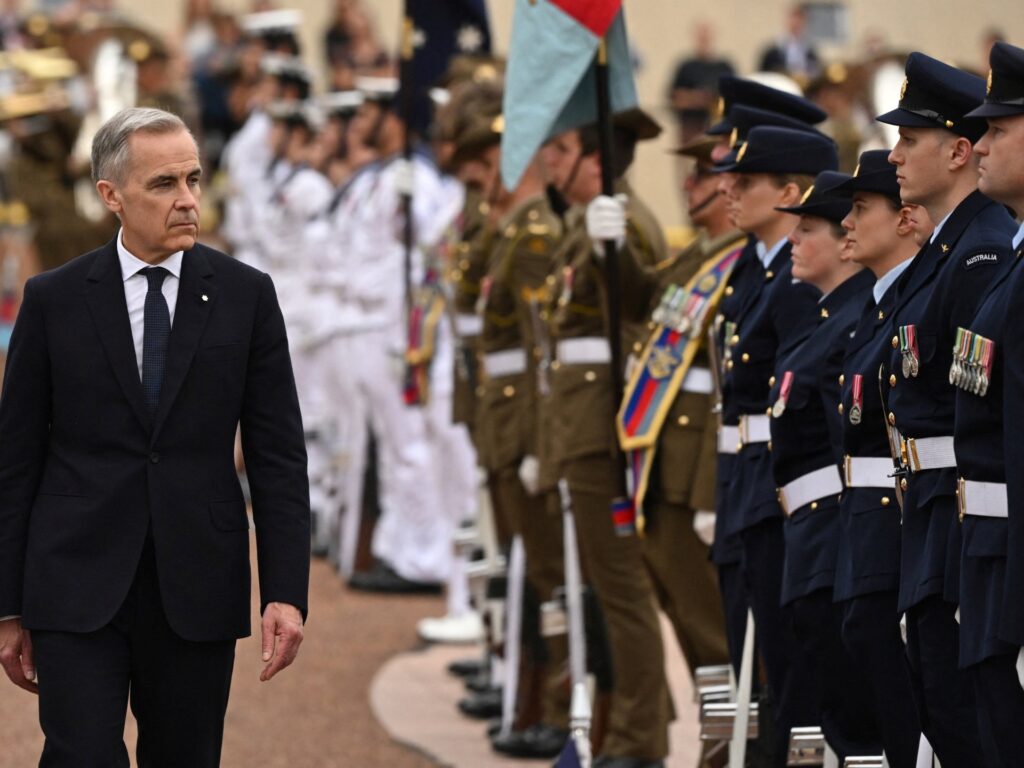
In recent statements, Canadian Prime Minister Carney has expressed that Canada cannot completely rule out the possibility of a military role in the event of an escalating conflict involving Iran. Although no concrete decisions have been made, the cautious stance underscores the complex geopolitical dynamics in the Middle East.
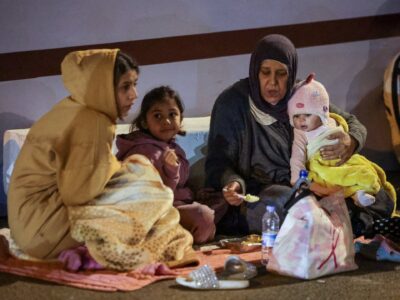
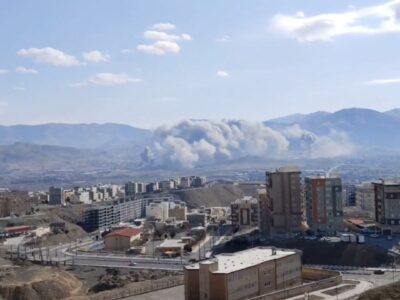
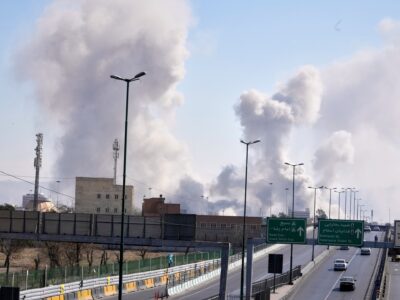
Carney’s remarks come amid rising tensions following a series of US-Israeli attacks against Iranian targets. The Canadian leader highlighted serious concerns regarding the legality of these operations, describing them as seemingly ‘inconsistent with international law.’ This critique points to potential violations in terms of sovereignty and the rules of engagement established by the United Nations.
The heightened conflict has raised alarms across the global community about the risks of broader military escalation. Canada, traditionally a proponent of diplomatic resolutions and peaceful conflict management, appears to be navigating a delicate balance between standing with Western allies and advocating for adherence to international norms.
The US and Israel have asserted that their actions target Iranian military infrastructure linked to nuclear development and militant activities that threaten regional stability. Conversely, Iran has condemned the strikes as acts of aggression and violations of its sovereignty. This ongoing cycle of action and retaliation fuels uncertainty and potential for wider confrontation.
Carney’s statements signal that while Canada remains cautious, the unpredictable nature of the conflict could draw the nation into greater involvement, potentially including military options if deemed necessary to protect international peace and security.
The volatile situation calls for renewed international efforts to de-escalate tensions through dialogue and negotiated agreements. Canada’s position reflects an awareness that unilateral military actions may have severe repercussions beyond immediate tactical objectives.
Observers note that Carney’s remarks might also be intended to pressure the US and Israel to reconsider their approach in light of global legal standards and diplomatic consequences. The emphasis on legality and the possibility of military engagement highlights Canada’s commitment to international law and stability.
As the situation evolves, world leaders including Carney emphasize the urgent need for clear communication channels, conflict avoidance, and multilateral cooperation to prevent an expanded war in the region.
In sum, Canadian Prime Minister Carney’s recent statements underscore the complexity and fragility of the current Middle East conflict. They highlight both a willingness to respond to changing threats and a firm stance that respects international norms and seeks peaceful resolutions.