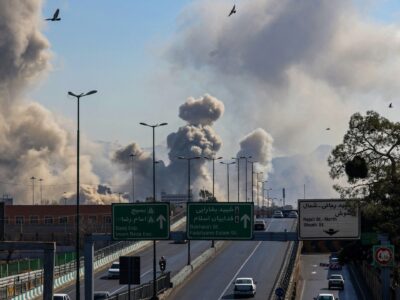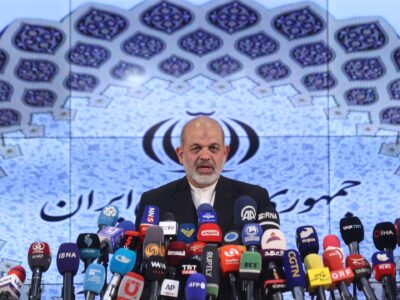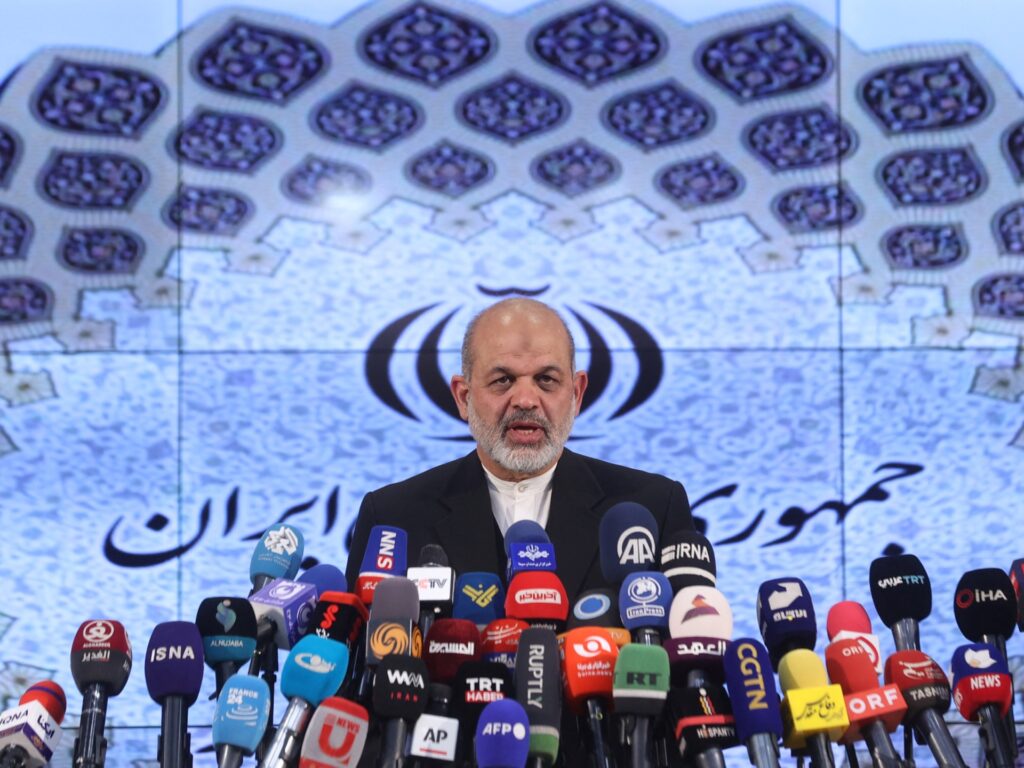
Ahmad Vahidi has recently been appointed as the new commander of Iran’s Islamic Revolutionary Guard Corps (IRGC), a pivotal moment as the country faces intense pressure from what it describes as a devastating US-Israeli assault.
Vahidi’s rise to this critical leadership position marks a continuation of Iran’s robust military posture. The IRGC plays a key role not only in Iran’s defense strategy but also in its political and social spheres, making the selection of its commander a move of significant consequence.
Ahmad Vahidi is a seasoned military figure, deeply intertwined with Iran’s defense establishment. His experience and strategic mindset are seen as integral to navigating the complex geopolitical landscape Iran currently faces. Under his command, the IRGC is expected to reinforce its defensive capabilities while also intensifying its influence across various regional theaters.
The context of his appointment is crucial. Iran has been subject to escalating tensions due to its nuclear program and regional influence, which have drawn severe criticism and sanctions from the US and its allies, especially Israel. These nations accuse Iran of destabilizing the Middle East through support for proxy groups and development of ballistic missile programs.
Vahidi’s leadership comes at a time when Iran is bracing for potential economic and military retaliation. His joint military and political acumen are anticipated to strengthen the IRGC’s readiness and operational effectiveness. Analysts suggest that his command could lead to more assertive actions both within Iran and across its allied territories.
Iranian officials have portrayed Vahidi’s appointment as a strategic move to safeguard national sovereignty and deter adversaries. This reflects a broader narrative of resistance and resilience promoted by Iran amidst international pressures.
Despite the external challenges, the IRGC under Vahidi aims to project strength and stability domestically, reassuring the Iranian populace of their security and the regime’s continuity. This balance of showing military might and maintaining internal cohesion is critical for Iran’s leadership.
In summary, Ahmad Vahidi’s ascendancy to the helm of the IRGC underscores Iran’s intent to persist in its current path of resistance against perceived foreign aggression. His command will likely shape the IRGC’s strategies and Iran’s broader regional policies in the coming years, making his role crucial in the ongoing geopolitical dynamics of the Middle East.