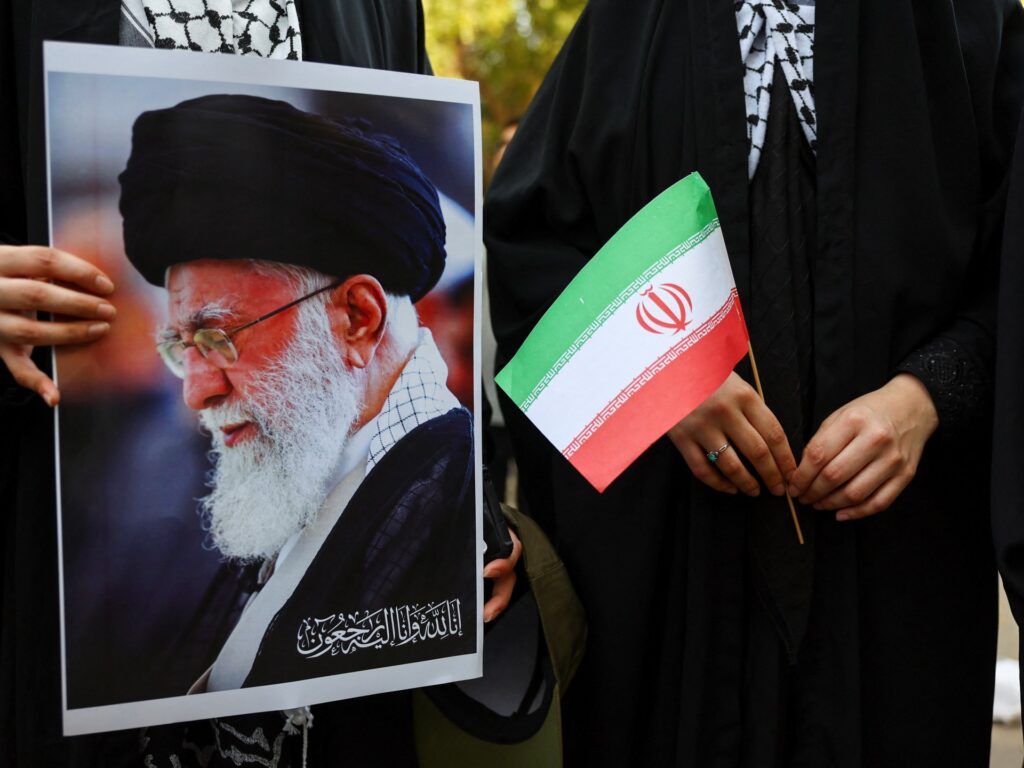
Iran’s Assembly of Experts is now tasked with choosing the next Supreme Leader, a pivotal decision that will shape the future trajectory of the country. The Assembly of Experts is a deliberative body comprised of Islamic theologians and clerics who have the authority to appoint and oversee the Supreme Leader, the highest-ranking political and religious authority in Iran.
This Assembly was responsible for electing the current Supreme Leader, Ayatollah Ali Khamenei, in 1989 following the death of the founding Supreme Leader, Ayatollah Ruhollah Khomeini. The election of Khamenei marked a significant moment in Iranian history, consolidating religious and political power in a single figure who has since guided the country through numerous internal and external challenges.
The process of choosing the Supreme Leader involves careful consideration of various factors, including religious credentials, political acumen, and loyalty to the ideals of the Islamic Revolution. Members of the Assembly often include senior clerics who are influential within Iran’s religious and political establishment.
The role of the Assembly extends beyond mere selection; they also supervise the Supreme Leader and have the authority to remove him if deemed incapable of fulfilling his duties. This unique system underscores the intertwined nature of religion and politics in Iran’s governance.
Currently, as the Assembly considers the next Supreme Leader, there is significant international and domestic interest in who will succeed Khamenei. The decision will impact Iran’s domestic policies, its approach to foreign relations, and the broader geopolitical dynamics of the Middle East.
It is important to note that the Assembly of Experts operates behind closed doors, and much of its deliberations are not public, adding layers of secrecy and speculation to the process.
Ultimately, the choice of Iran’s next Supreme Leader will reflect the complex balance of power within the country’s theocratic political system and will shape the country’s political, social, and religious landscape for years to come.