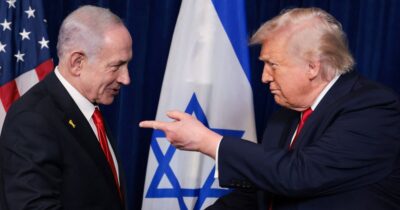
The ongoing conflict between Iran and a coalition led by the United States and Israel has escalated significantly, drawing in multiple Gulf nations and amplifying regional tensions. In recent developments, both the US and Israel have ramped up their military operations, executing a series of targeted strikes against Iranian positions and allied forces. These actions are part of a broader campaign aimed at curtailing Iran’s influence and military capabilities within the volatile Middle East.
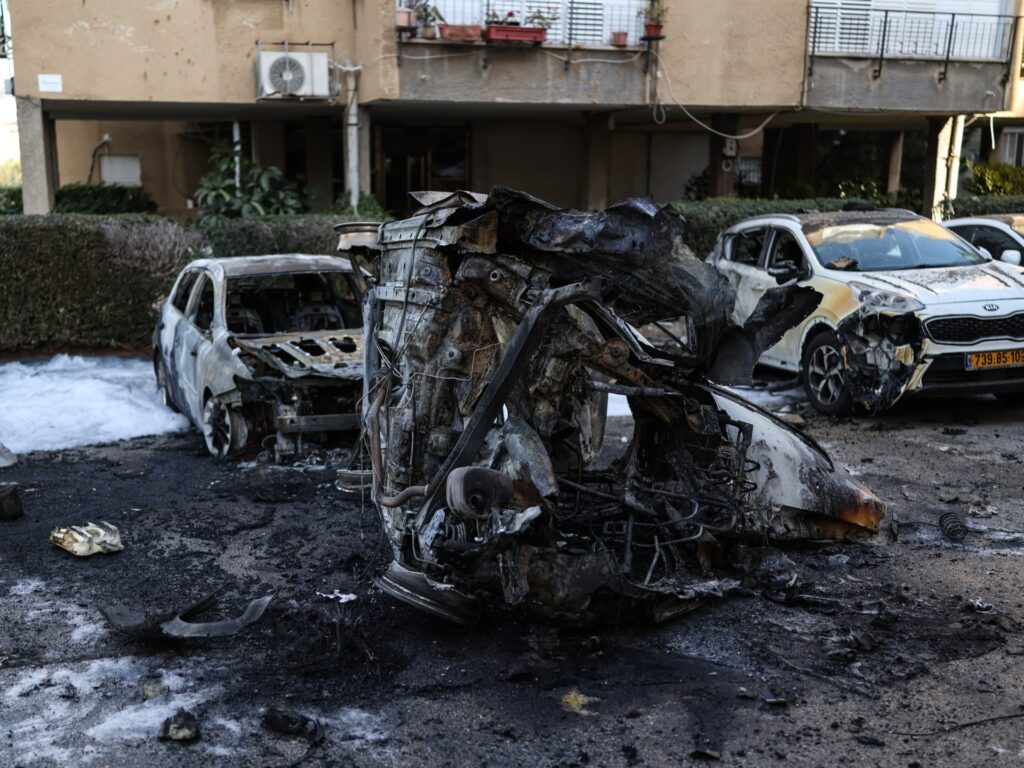
Iran has responded with a series of retaliatory strikes characterized by the deployment of drones and missile attacks that have targeted strategic locations associated with US and Israeli interests. The escalation has caused unease across neighboring Gulf states, many of which are now witnessing increased security challenges and disruptions due to the expanding nature of the conflict.
The intensified hostilities are underscored by a complex geopolitical backdrop involving proxy groups, regional alliances, and long-standing disputes over influence and security. Both the US and Israel consider Iran’s expanding military footprint in the area a direct threat to the balance of power and the safety of their regional partners.
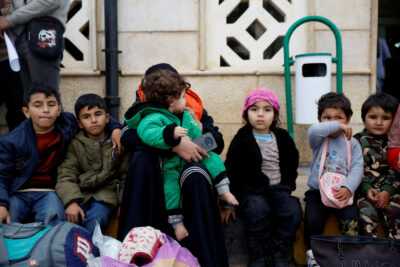
The conflict has had significant humanitarian impacts, including displacement of civilians and damage to infrastructure, further complicating the already fragile socio-political landscape of the region. International actors have expressed concern over the potential for wider regional war and have called for restraint and dialogue.
Analysts warn that the sustained military engagements risk drawing more countries into the conflict, potentially destabilizing the global economy through disruptions in oil supplies, given the Gulf’s critical role in energy markets.
Efforts by diplomatic channels are underway but have so far been overshadowed by military developments and retaliatory strikes. The situation remains highly fluid, with daily exchanges of fire increasing the possibility of a broader confrontation.
As the international community watches closely, the path forward remains uncertain, with calls for de-escalation growing louder amid fears that unchecked conflict could lead to widespread regional chaos. The US and Israeli governments emphasize their commitment to protecting their interests and allies, while Iran continues to assert its right to defend its sovereignty and regional allies.
This escalating war with Iran is not just a localized conflict but a significant flashpoint affecting global peace and security, highlighting the urgent need for renewed diplomatic engagement and conflict resolution mechanisms to prevent further deterioration of the situation.