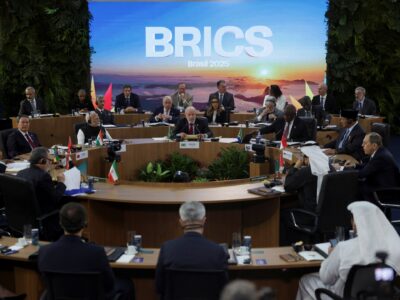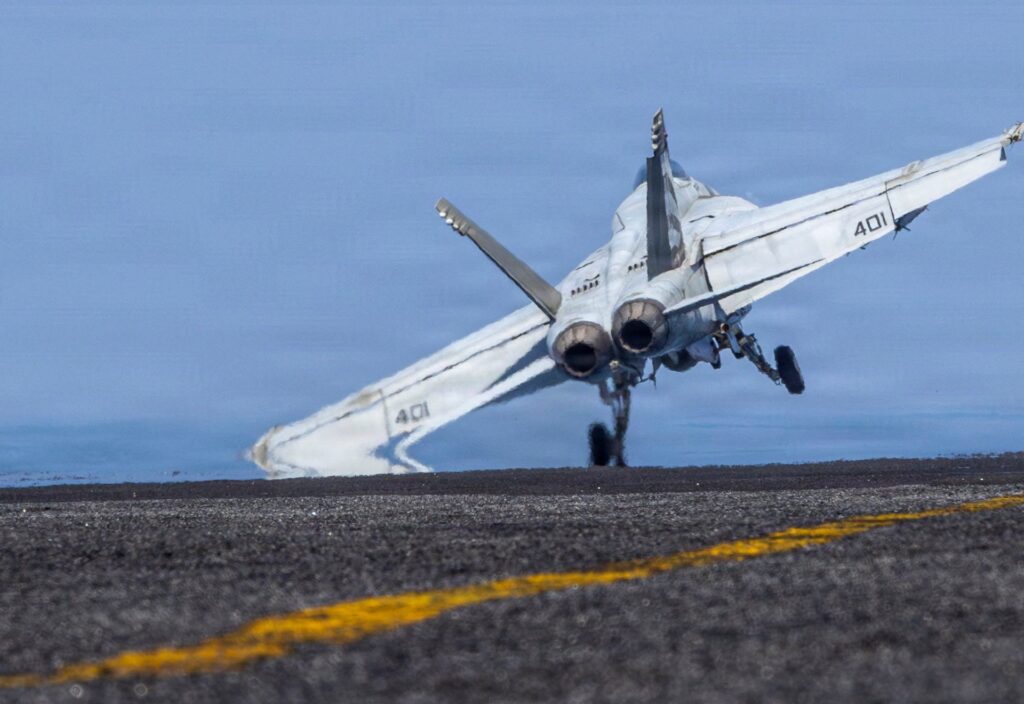
Recent developments in the Middle East have sparked widespread concern and numerous questions regarding the nature of the conflict involving the United States, Israel, and Iran. Despite heightened military activity and reports of attacks on Tehran, it is important to clarify that the US and Israel are not officially at war with Iran. Instead, the situation reflects a complex interplay of regional power struggles, security concerns, and strategic operations.
There have been no formal declarations of war between the US and Iran. However, over the years, tensions have escalated due to Iran’s nuclear program, its support for proxy groups in the region, and frequent confrontations with American and allied forces. Israel, sharing many of these concerns, particularly about Iran’s intentions and military capabilities, has occasionally undertaken covert operations and airstrikes aimed at curbing Iranian influence and preventing the progress of its nuclear development.
The recent attacks reportedly attributed to US and Israeli forces on targets within Tehran stem from intelligence indicating imminent threats or active military preparations by Iran. These surgical strikes are often designed to degrade military infrastructure or capabilities without escalating into full-scale war. The objective is usually to send a deterrent signal while minimizing broader conflict risks.
Moreover, the geopolitical landscape of the Middle East is highly volatile, with numerous actors and competing interests. Proxy wars, intelligence operations, and cyberattacks form a significant part of the conflict dynamics alongside traditional military engagements. These developments contribute to the confusion and fears regarding the actual state of conflict.
International diplomatic efforts continue in parallel to military actions, aiming to reduce tensions and prevent escalation. Various governments and international organizations urge restraint and dialogue, emphasizing the catastrophic consequences a direct war could have on regional and global stability.
In summary, while there have been US and Israeli military actions targeting areas controlled or influenced by Iran, these do not equate to a declared war. Instead, they reflect ongoing efforts by these countries to manage perceived threats through limited and strategic operations. The situation remains fluid and closely monitored by global powers, with hopes pinned on diplomatic resolutions to avoid broader warfare.