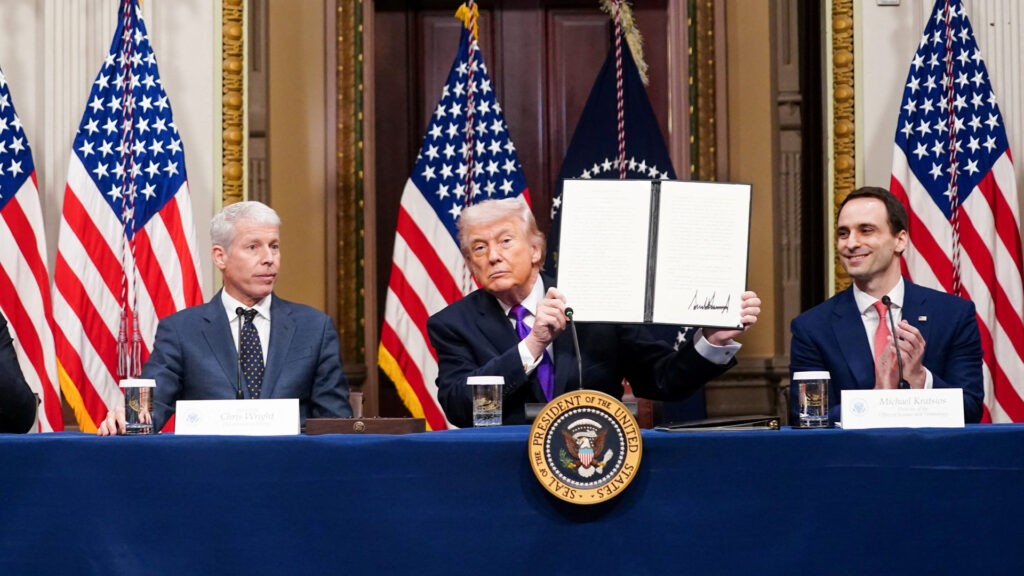
US President Donald Trump made a bold statement regarding the ongoing conflict involving US forces in Iran. In a recent declaration, Trump expressed high confidence in the performance of American troops, stating that they were doing “very well on the war front”. When asked to rate his administration’s war effort against Iran on a scale of one to ten, Trump emphatically rated it a fifteen, surpassing the maximum scale to emphasize his assessment of success.
The President’s remarks highlight his administration’s aggressive stance and approach toward Iran amid tightening tensions in the region. This conflict has drawn international attention due to geopolitical implications and the potential impacts on global security and oil markets.
Trump’s rating signifies a strong endorsement of military strategy and operational execution by US forces. However, it also raises questions about the unconventional nature of rating and the political messaging behind such statements.
Observers and analysts are dissecting these comments to understand the broader implications. The war effort against Iran involves a complex mix of military actions, sanctions, and diplomatic pressures. Trump’s comments likely aim to convey strength and resolve to both domestic and international audiences.
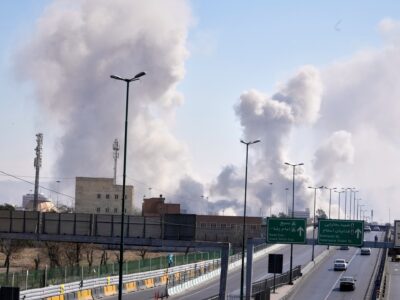
This statement comes amid ongoing incidents reported around the Persian Gulf and surrounding areas, where US and Iranian forces have had several confrontations. The context suggests a precarious situation where both sides are aggressively guarding their strategic interests.
President Trump’s optimistic ratings could be seen as a morale booster for the military and supporters of his policies. At the same time, critics might view it as an overstatement or as politically motivated rhetoric.
The war front Trump’s referring to is multifaceted, involving cyber warfare, economic sanctions, intelligence operations, and potential direct military engagement. Success in such a complex conflict is challenging to quantify, making Trump’s numerical rating unique and subject to interpretation.
Further statements from the administration and military officials are anticipated as the situation evolves. The international community watches closely, hoping for de-escalation but preparing for possible escalations.
In summary, President Trump’s bold characterization of US military success in Iran reflects the administration’s perspective on its handling of the conflict. While rating the war effort beyond the typical scale indicates confidence, it also prompts a deeper examination of the realities on the ground and the future trajectory of US-Iran relations.