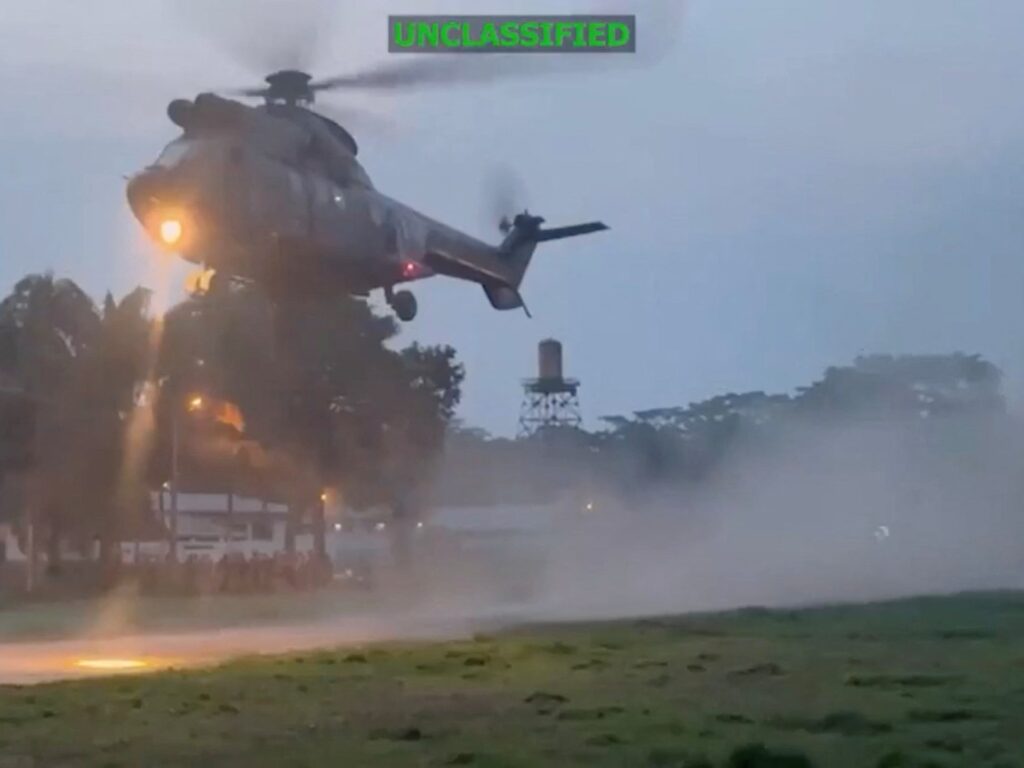
The Trump administration has recently launched a new US military operation in Ecuador, aiming to strengthen the fight against narcotics trafficking in Latin America. This initiative marks a significant escalation in the US government’s efforts to combat drug cartels and intercept illicit substances before they reach American soil.
The operation involves coordinated efforts between the US military and Ecuadorian security forces, focusing on intelligence sharing, surveillance, and targeted interdiction missions. The primary goal is to dismantle drug trafficking networks that have long exploited the porous borders and dense jungle regions of Ecuador as transit points.
Officials from the Trump administration argue that this military involvement is a necessary step to address the growing threat posed by drug cartels, which continue to fuel violence and crime both in the region and the United States. By deploying specialized forces and advanced technology, they hope to disrupt supply chains and reduce the flow of narcotics.
However, this military expansion has drawn sharp criticism from various quarters. Critics warn that the increased scope of US anti-narcotics operations in Latin America has resulted in heightened tensions and often deadly consequences for local populations. There are concerns about sovereignty, potential civilian casualties, and the long-term impact of militarization in the region.
Human rights organizations have voiced apprehensions about the potential for abuses and escalations in violence. They argue that a military-led approach might overshadow diplomatic solutions and social programs aimed at addressing the root causes of drug production and trafficking, such as poverty and lack of economic opportunities.
Furthermore, some analysts suggest that the military operation could strain US-Ecuador relations, especially if the missions lead to unintended collateral damage or political backlash. Ecuadorian civil society groups have called for greater transparency and accountability concerning the operation’s objectives and outcomes.
The debate reflects broader questions about the efficacy and ethics of using military force in the so-called “War on Drugs.” While the US has long prioritized interdiction and eradication strategies, evidence on the success of such approaches remains mixed. Drug trafficking has proven to be a resilient and adaptive challenge requiring a multifaceted response.
Despite these controversies, the Trump administration remains steadfast in its commitment to combating narcotics through enhanced military engagement. The administration contends that failing to act decisively could lead to increased drug flow, addiction rates, and violence in the United States.
As the operation unfolds, all eyes will be on its impact—both in terms of disrupting drug networks and the humanitarian and geopolitical consequences it may bring. This new chapter in US-Latin American counter-narcotics cooperation underscores the complex and often contentious nature of the drug war, highlighting the need for balanced strategies that respect sovereignty, human rights, and security goals alike.