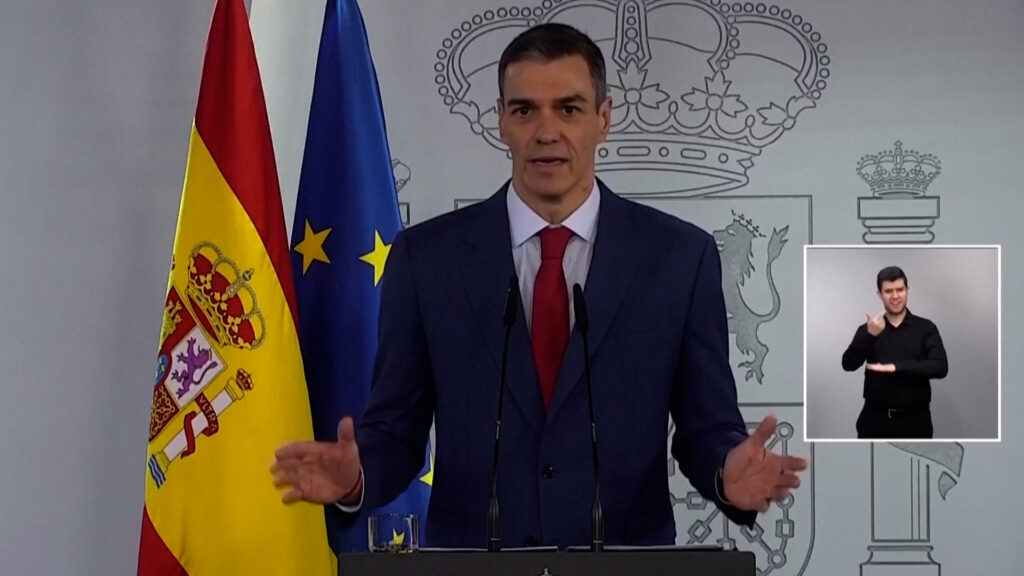
In a recent statement, Spanish Prime Minister Pedro Sanchez emphatically declared Spain’s opposition to any military conflict in the Middle East, specifically regarding potential confrontations involving Iran. Addressing growing concerns over escalating tensions in the region, Sanchez urged all parties involved — including the United States, Iran, and Israel — to seek peaceful and diplomatic solutions rather than resorting to war.
Speaking on the geopolitical climate, PM Sanchez highlighted the devastating consequences that armed conflict could bring upon the region and the world. “Spain says ‘no to war’ in the Middle East,” he stated, emphasizing the need for dialogue and negotiation over hostility and violence.
The Middle East has long been a hotspot for political tensions, with historical conflicts and disputes making the environment fragile. Recent developments have raised alarms about the possibility of military engagement involving major global powers and regional actors.
Sanchez’s call comes at a critical time when the risk of conflict could escalate rapidly. The Spanish government is advocating for a renewed commitment to diplomatic talks, encouraging the United States, Iran, and Israel to work through their differences peacefully. This stance aligns with Spain’s broader foreign policy goals of promoting stability and peace internationally.
The Prime Minister stressed that war would only exacerbate suffering and instability, causing irreversible damage to civilian populations and global security. He urged the international community to rally behind efforts to de-escalate tensions through multilateral cooperation.
Spain’s firm position against war reflects a growing desire among many nations to prioritize diplomacy and peaceful resolution over military interventions. PM Sanchez emphasized that constructive dialogue and mutual understanding are essential for sustainable peace in the Middle East.
In conclusion, the Spanish Prime Minister’s message is clear: avoid war, embrace diplomacy, and work together toward a peaceful future for the Middle East and the world. His appeal underscores the urgency of preventing conflict and fostering an environment where longstanding issues can be addressed through negotiation rather than force.