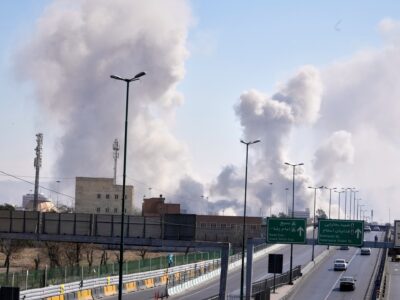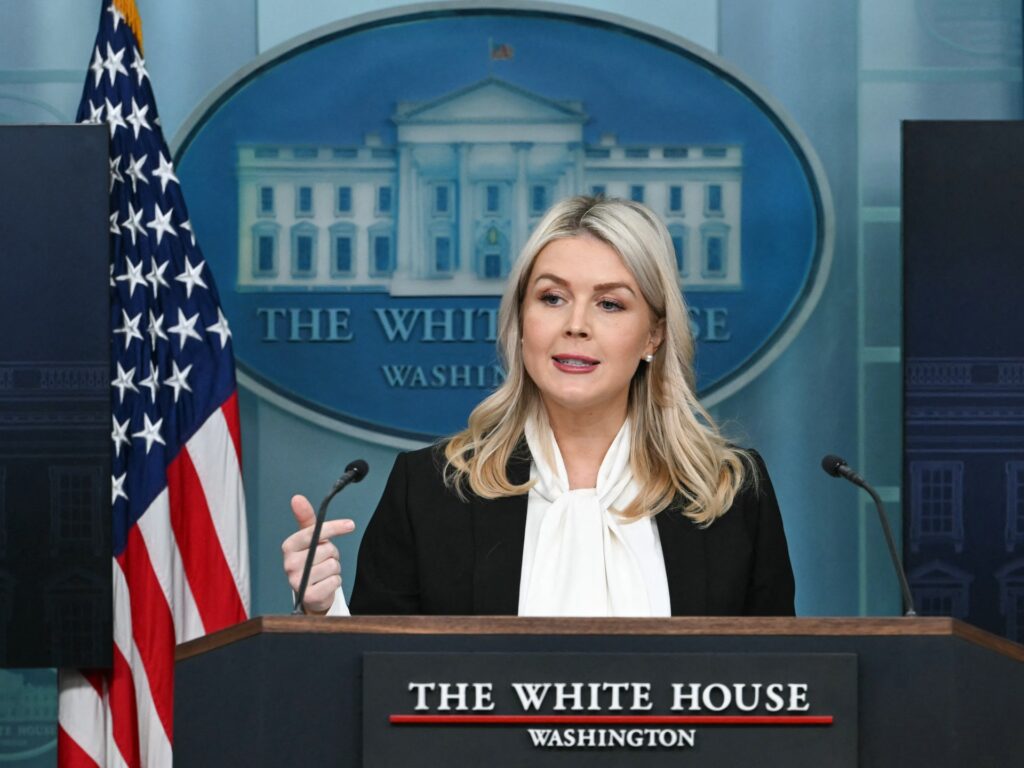
In recent developments, Spain has firmly denied claims made by the White House that it had agreed to cooperate with the US military, sparking a diplomatic disagreement between the two nations. The dispute arises amidst heightened tensions surrounding the potential conflict with Iran, where Spain has reiterated its opposition to any war involving the Middle Eastern country. This stance has further complicated relations with the United States, especially after President Donald Trump threatened to cut off trade with Spain if it did not align with US policies on Iran.
Spanish officials have publicly stated that the government has not consented to any military collaboration with the US regarding operations in Iran or its neighboring regions. This assertion directly contradicts recent statements from US administration representatives, who suggested that Spain would play a cooperative role in the US military strategy.
Spain’s opposition to war on Iran is grounded in its commitment to diplomatic resolutions and regional stability. Spanish leaders emphasize that military conflict should be avoided at all costs, advocating instead for dialogue and peaceful negotiations. The country’s position aligns with broader European Union sentiments, which have generally favored diplomacy over confrontation with Iran.
The White House’s threat to cut off trade with Spain has been met with criticism from Spanish authorities, who view such ultimatums as counterproductive to transatlantic relations. Trade between the US and Spain encompasses a wide range of sectors, including technology, automotive, agriculture, and tourism, making any disruption potentially harmful to both economies.
This episode underscores the complex and sometimes strained nature of international alliances when it comes to military and foreign policy decisions. While Spain values its strategic partnership with the United States, it has made clear that it will not compromise its principles or sovereign policy choices.
Experts on European diplomacy suggest that this public disagreement might prompt further dialogue between Madrid and Washington to clarify positions and prevent escalation. At the same time, the incident has drawn attention to the divergent views within NATO and Western allies about how to approach Iran’s nuclear ambitions and regional influence.
The Spanish government has called for renewed talks with all involved parties to de-escalate tensions and seeks to play a constructive role in international efforts aimed at maintaining peace and security.
In conclusion, Spain’s firm rejection of US claims regarding military cooperation and its continued opposition to war on Iran exemplify the challenges faced by international partners in maintaining unity amid complex geopolitical conflicts. The situation remains dynamic, with ongoing diplomatic efforts expected to address and reconcile differing perspectives between Spain and the United States.