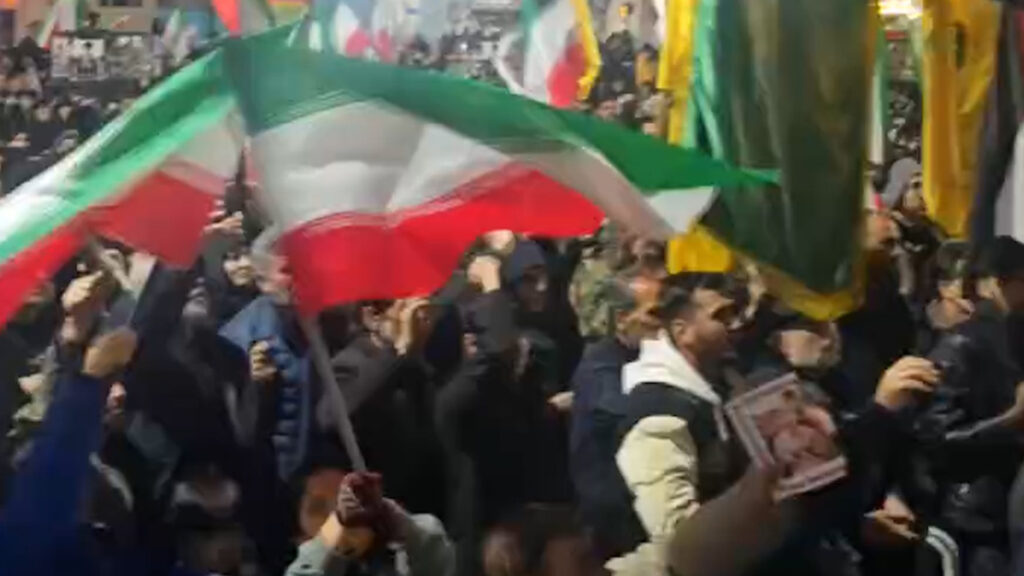
Demonstrators across multiple cities in Iran have taken to the streets to express their condemnation of the ongoing US-Israeli war. Iranian media outlets have shared extensive footage highlighting the scale and passion of these protests. Citizens in these cities have voiced strong opposition to the actions of the United States and Israel, perceiving the conflict as unjust and harmful to the region. The demonstrations reflect widespread public sentiment against the war and underscore Iran’s political stance on the matter. Scenes captured in the videos show crowds chanting slogans denouncing the US and Israeli military measures, as well as calls for peace and solidarity with affected populations. These protests represent a significant grassroots reaction, illustrating the depth of dissent within Iran regarding international hostilities involving the US and Israel. The Iranian government has historically opposed US and Israeli policies in the Middle East, and the current public outcry aligns with this long-standing position. Analysts suggest that the demonstrations could influence Iranian foreign policy decisions and signal a continued unwillingness among the public to support Western military interventions. Moreover, these events have drawn attention globally, portraying Iran not only as a key player in regional politics but also as a nation where civil society actively engages in geopolitical matters. Coverage of the protests emphasizes the unity among Iranians despite internal differences, united by their shared opposition to the US-Israeli conflict. The nationwide response also illustrates the power of social media and broadcast media in mobilizing citizens and disseminating information rapidly across urban centers. Beyond mere protest, participants call for diplomatic solutions and peaceful coexistence, advocating for frameworks that prevent war and encourage dialogue. The scale of participation and the fervor displayed signal a potentially enduring movement, with implications for both domestic politics and international relations. This widespread condemnation is poised to affect perceptions of the conflict within the region and might shape Iran’s diplomatic rhetoric moving forward. The images of defiant crowds underscore a collective demand for respect of sovereignty and an end to foreign military aggression perceived to destabilize the Middle East. These demonstrations also provide a platform for expressing broader grievances about foreign policy and war consequences, influencing public opinion and possibly future policy formation. Observers note that protests of this nature serve to reaffirm Iran’s strategic priorities and highlight the populace’s role in shaping national identity vis-à-vis external threats. As this story develops, further coverage is expected to shed light on the ongoing public response and the Iranian government’s reaction to sustained anti-war activism. In summary, the demonstrators across Iran are sending a powerful message condemning the US-Israeli war, reinforcing the nation’s critical stance and illustrating the vibrancy of civic engagement in international affairs.