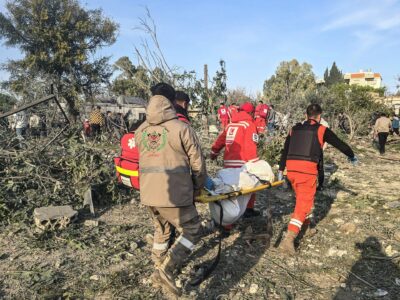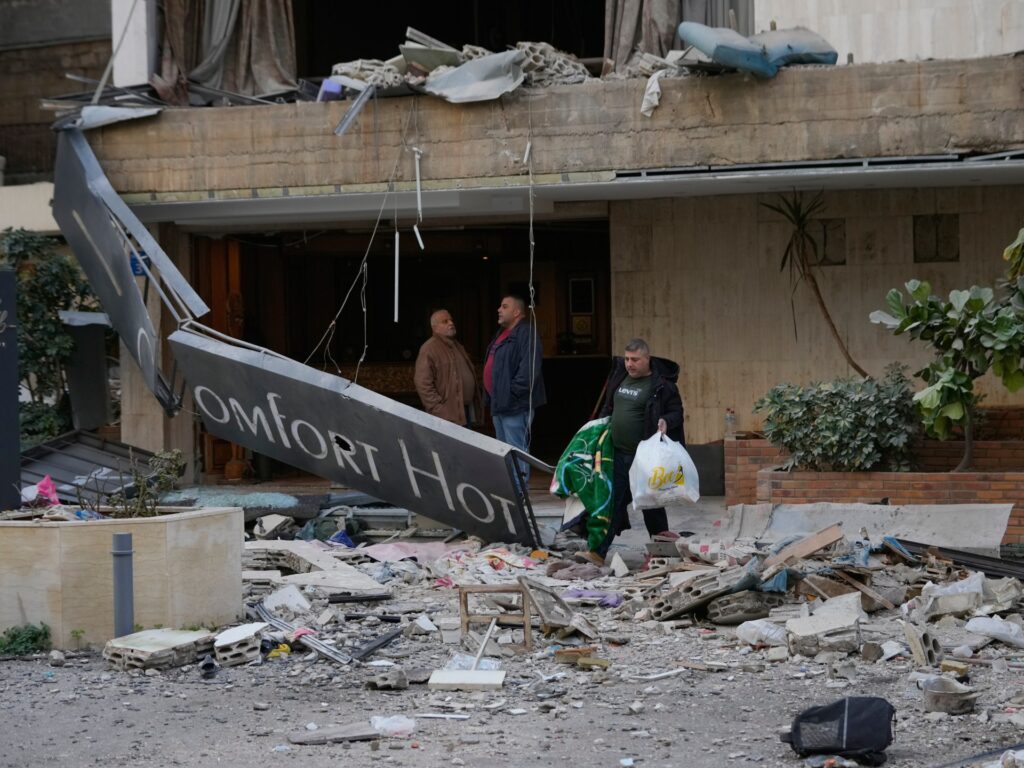
In a recent escalation of tensions in the region, Israeli forces launched an airstrike on the Comfort Hotel located in Greater Beirut without any prior warning. The attack has resulted in significant distress and displacement among residents in Beirut and across broader Lebanon. The Comfort Hotel, a notable establishment in the capital’s hospitality sector, suffered considerable damage during the bombing.
This unexpected strike is part of a series of actions that have intensified the conflict in the area. Alongside the attack on the hotel, Israeli forces also targeted a residential building in eastern Lebanon, escalating the tensions further and creating widespread fear within local communities.
The strike on these civilian locations has drawn international attention, with various governments and organizations expressing condemnation of the violence and urging for de-escalation. The targeting of the Comfort Hotel, a place known for accommodating residents and visitors alike, has caused additional concern due to the potential for civilian casualties.
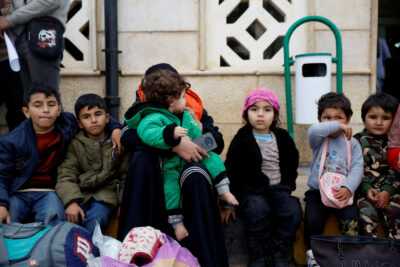
Local authorities in Lebanon have reported that the bombings have resulted in forced displacement, with many residents fleeing their homes to seek safety in other regions or countries. The attacks have severely impacted the daily lives of Lebanese civilians, compounding the challenges faced by the population amid ongoing political and economic instability in the country.
Humanitarian groups are calling for immediate aid and intervention to assist those affected by the bombings. The destruction of residential areas and hotels not only disrupts the immediate living conditions of many but also hampers long-term economic prospects by damaging infrastructure vital to Lebanon’s tourism and hospitality industries.
The international community remains watchful as tensions continue to flare between Israel and Lebanon. Observers warn that such strikes risk provoking further violence and destabilizing the fragile peace in the region. Calls for dialogue and peaceful resolution have become increasingly urgent to prevent a broader conflict.
The situation remains fluid, with officials monitoring the aftermath of the airstrikes and assessing the full scope of damage and humanitarian needs. The displacements caused by these bombings add to the complexity facing Lebanon, a country already grappling with deep internal divisions and external pressures.
Efforts to rebuild and provide relief to those affected are expected to be challenging amid continuing security concerns. Meanwhile, the residents of Beirut and eastern Lebanon face uncertainty as they navigate the consequences of these attacks, hoping for a return to stability and peace in the near future.