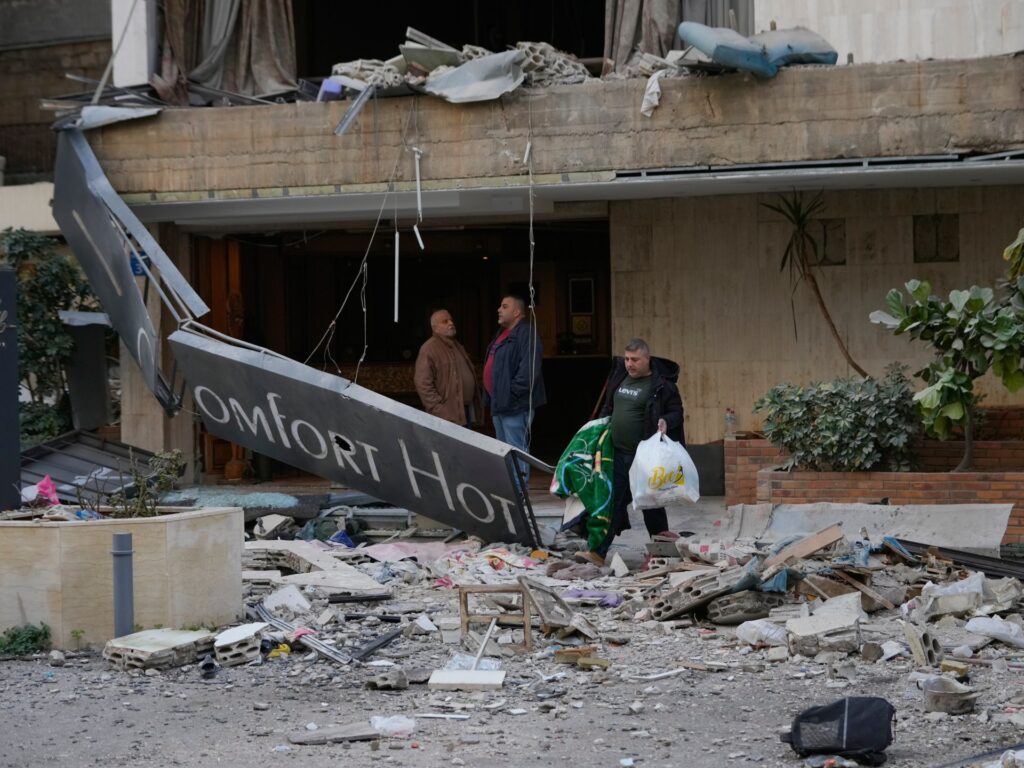
Tensions in the region escalated sharply as Israeli military operations in Lebanon resulted in the deaths of 11 people, with strikes targeting both a hotel and residential areas. The incidents have contributed to rising fears of a broader conflict in the area.
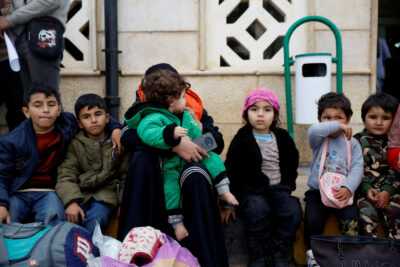
According to reports from Lebanese sources, the Israeli military launched a series of air and artillery strikes across southern Lebanon. Among the targets was a hotel, along with various residential neighborhoods, leading to significant casualties and widespread damage. The strikes have caused not only loss of life but also further displacement of civilians already vulnerable amid ongoing regional instability.
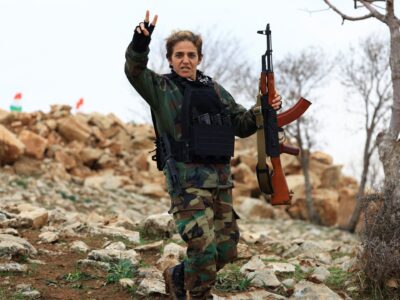
In a related development, Hezbollah, the Lebanese Shiite militant group and political entity, claimed responsibility for a counterattack against an Israeli military base located near the northern Israeli city of Safed. The group’s statement confirmed that their operation was a direct response to the Israeli strikes, marking an intensification of hostilities between the two sides.
Hezbollah’s attack reportedly involved the use of rockets or mortar fire aimed at military installations designed to bolster Israel’s border defenses and surveillance capabilities. This exchange underscores the persistent volatility along the Israel-Lebanon border, a flashpoint for repeated conflicts over the past decades.
The deaths of 11 individuals in Lebanon have prompted swift condemnation from various international actors, with calls for restraint and dialogue to prevent further escalation. Human rights organizations have expressed grave concern about the impact of the attacks on civilians, highlighting the risks of wider conflict and the urgent need for humanitarian aid.
Diplomatic efforts are underway to address the crisis. Regional powers and global stakeholders are urging both sides to exercise restraint and return to negotiations aimed at ensuring long-term peace and security in the region.
The Israeli Defense Forces (IDF) have asserted that their strikes were precise operations targeting militant infrastructure and leadership within Lebanon. However, the collateral damage to civilian areas has raised criticism domestically and abroad, fueling debate over proportionality and the conduct of military campaigns in densely populated areas.
Hezbollah’s retaliatory actions near Safed indicate the group’s continued military capability and willingness to engage directly with Israeli forces. This dynamic highlights the complexity of the security situation, where militant groups operate alongside civilian populations, complicating efforts to deescalate tensions.
The unfolding events have triggered concerns about a cycle of retaliation that could rapidly spiral into a larger confrontation. The international community remains watchful, calling for comprehensive measures to de-escalate the conflict and support dialogue.
As investigations into the attacks continue, the focus remains on preventing further loss of life and advancing a diplomatic solution. The humanitarian situation in affected areas is deteriorating, with medical facilities stretched and many families displaced.
This episode is a stark reminder of the fragile peace in the region and the dire consequences that can arise from renewed violence. The coming days will be critical in determining whether cooler heads can prevail or if the conflict will intensify, further destabilizing the Middle East.