The ongoing conflict between Israel and Iran has intensified, entering its fifth consecutive day with continuous attacks and retaliatory strikes. The hostilities, which began amid deep-seated political and territorial disagreements, have now escalated into a broader regional confrontation involving multiple Gulf nations.
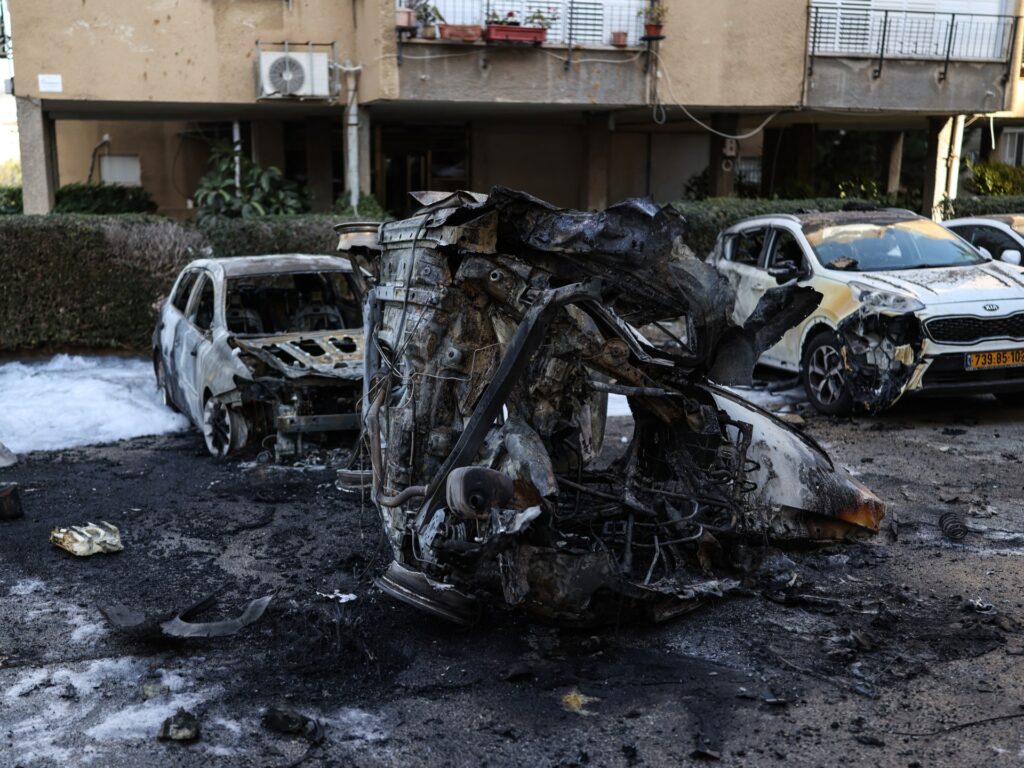
Iran has been actively launching retaliatory attacks using drones and missile strikes targeting Israel, aiming to counter earlier Israeli operations believed to be directed against Iranian interests. These aggressive moves underscore Tehran’s strategic goals to assert its influence and retaliate for perceived provocations.
Israel, in response, has maintained a firm stance, conducting military operations intended to neutralize threats from Iranian-backed forces within the region. Israeli defense officials have reported intercepting several missiles and drones launched at their territory, emphasizing their commitment to national security.
The conflict’s expansion has caused significant concern among Gulf countries, many of which are now witnessing repercussions through increased military alertness and occasional skirmishes near their borders. Nations like the United Arab Emirates and Bahrain have reportedly reinforced their defenses as tensions loom.
The broader regional implications include potential disruptions to vital shipping lanes in the Gulf, threatening international trade and energy supplies, which adds another layer of complexity to the escalating conflict.
International diplomatic efforts are underway to de-escalate tensions. Global powers have urged both sides to pursue dialogue and restraint to prevent further destabilization of the Middle East. However, despite calls for peace, the situation remains volatile.
As the war enters its fifth day, the continuous exchange of attacks between Israel and Iran signals a protracted conflict with the possibility of drawing in neighboring countries and exacerbating longstanding sectarian and geopolitical rivalries in the region.
Analysts warn that without significant diplomatic intervention, the cycle of violence could intensify, posing severe risks to regional stability and global security. The international community watches closely, hoping for a cessation of hostilities and a return to negotiations.
This conflict not only threatens immediate security concerns but also could reshape alliances and power dynamics throughout the Middle East in the coming months and years.