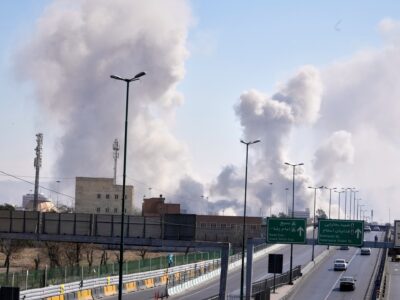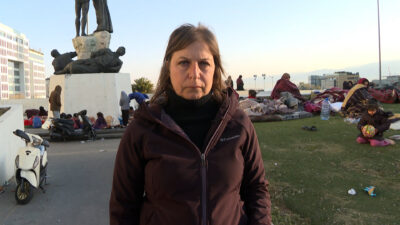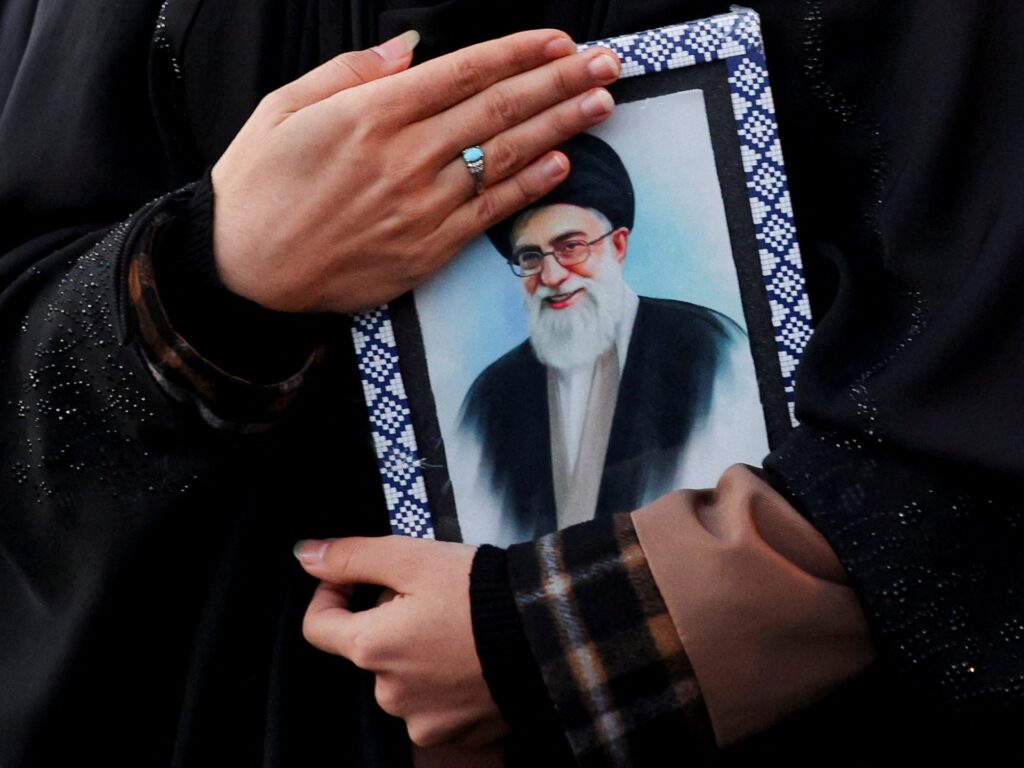
As Iran prepares to mourn the passing of its Supreme Leader Ayatollah Ali Khamenei in Tehran, tensions escalate with Israel issuing stark warnings toward Iran’s future leadership. Khamenei’s death marks a significant moment in Iranian history, prompting widespread national grief and reflection on his nearly four decades of influence.
Iranian citizens and officials alike are coming together to honor their late leader, whose tenure shaped the political and religious landscape of the country. The mourning ceremonies in Tehran signify not only respect for Khamenei but an affirmation of Iran’s resilience in the face of external pressures.
Simultaneously, the geopolitical atmosphere is fraught with tension as Israel’s Defence Minister publicly declared that the successor to Khamenei will be considered a “target for assassination.” This statement underscores ongoing hostilities between Israel and Iran, highlighting the precarious security situation in the region.
Israel’s aggressive posture reflects its concerns over Iran’s regional ambitions and nuclear program, which it views as existential threats. The threat against Iran’s next Supreme Leader signals a continuation of covert and overt confrontations between the two nations.
Analysts note that this development could significantly impact regional stability, with Iran potentially increasing its defensive measures and bolstering security for its incoming leadership. The international community watches closely, aware that any escalation could trigger broader conflict.
Iran’s Supreme Leader is a pivotal figure, serving as both the spiritual guide and supreme authority within the country’s political system. The process of selecting a new leader will be critical, as it will determine Iran’s future domestic policies and foreign relations.
The mourning in Tehran serves as a poignant reminder of Khamenei’s controversial legacy, one marked by both strict adherence to Islamic principles and fierce resistance to Western influence. The upcoming period will be crucial for Iran as it navigates this transition amid external threats.
Observers expect Iran to unify internally in response to external threats, rallying nationalistic sentiments to strengthen cohesion. Meanwhile, Israel’s threats may further harden Iran’s stance.
The international community calls for restraint from both sides to avoid a cycle of violence that could destabilize the Middle East. Diplomatic efforts and dialogue remain crucial to managing these tensions.
In summary, the passing of Ayatollah Khamenei ushers in a moment of profound change and uncertainty for Iran. As the nation mourns its leader, looming threats from Israel highlight the fragile security dynamics in the region. The next chapter for Iran will be shaped by how it handles its leadership succession and navigates escalating threats, with significant implications for regional and international peace.