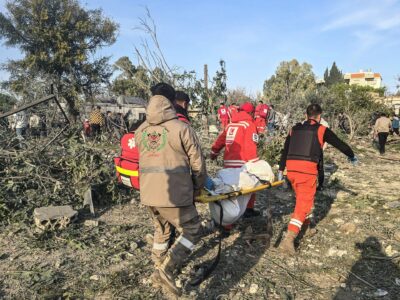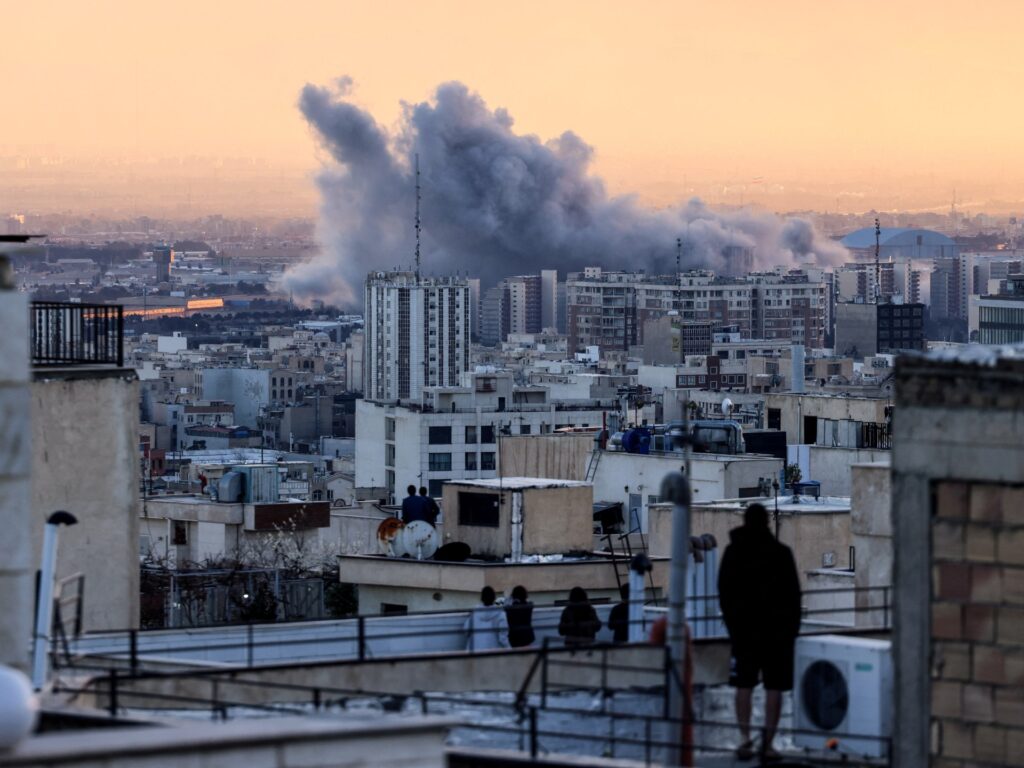
The geopolitical tensions in the Middle East have escalated sharply with recent attacks targeting critical locations tied to the United States, Israel, Iran, and Lebanon. The US consulate in Dubai has been struck in an unprecedented attack, signaling increased volatility in the Gulf region. Concurrently, Israel has launched military strikes against key targets in Tehran and Beirut, intensifying the conflict’s regional scope.
These aggressive moves come as the United States and Israel continue coordinated efforts to pressure Iran and Lebanon. The escalation is part of a broader campaign that sees direct confrontations and indirect engagements across multiple fronts in the Middle East.
Iran has responded with counterstrikes, which have notably disrupted oil flows crucial to the global economy. These disruptions in maritime and land transport routes are driving uncertainty in energy markets, reflecting the critical role of the Middle East as a global energy supplier.
The attack on the US consulate in Dubai represents a significant breach in what was considered a relatively secure environment in the UAE, a key US ally in the region. This incident could impact diplomatic relations and heighten concerns over security protocols for foreign missions within the Gulf.
Israel’s strikes on Tehran and Beirut focus on neutralizing what it identifies as strategic military threats emanating from Iran and Hezbollah, Lebanon’s powerful militant group allied with Iran. These operations underline Israel’s intent to weaken its adversaries’ capabilities and deter future aggression.
The ongoing Israeli-Palestinian conflicts and the broader Iran-Israel hostility have historically influenced regional stability. Recent developments indicate a potential widening of these conflicts, with Lebanon now deeply embroiled due to Hezbollah’s involvement.
Tehran’s counterattacks have included missile launches and other military measures targeting shipping lanes and infrastructure associated with oil transport. This strategy not only challenges regional security but also threatens to escalate into wider conflict if not managed carefully.
Global powers are watching these developments closely, urging restraint and the resumption of diplomatic dialogue to prevent further deterioration of peace in the Middle East. The United Nations and several countries have called for immediate de-escalation, emphasizing the catastrophic consequences of continued hostilities on civilians and international security.
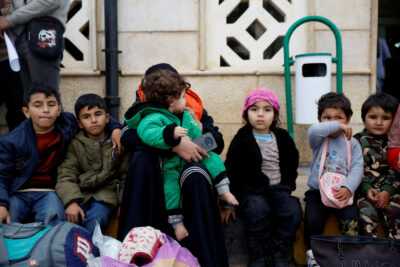
The impact on civilian populations in Iran, Lebanon, Israel, and surrounding countries is significant, with heightened risks of humanitarian crises due to conflict-related disruptions. International aid organizations are mobilizing to provide assistance and advocate for safe passage and protection of non-combatants.
Energy markets remain volatile as traders react to the uncertainty caused by these disruptions. There is growing concern over supply constraints and price hikes that could ripple across the global economy, especially affecting energy-dependent regions.
Diplomatic efforts are underway to facilitate a ceasefire and reopen communication channels among the involved parties. Regional actors and international mediators are exploring frameworks to contain the conflict and address the root causes driving this resurgence of violence.
In summary, the recent attacks and counterstrikes involving the US consulate in Dubai, Israeli actions in Tehran and Beirut, and Iran’s retaliatory measures highlight a critical juncture in Middle Eastern geopolitics. The situation remains fluid and dangerous, with significant implications for regional security, global energy supplies, and international relations.
Stakeholders worldwide remain vigilant as the unfolding events in the Middle East could reshape alliances, influence future conflict resolution strategies, and redefine geopolitical dynamics in this volatile region.