The Middle East region is witnessing a significant escalation in conflict as tensions between Iran, the United States, and Israel dramatically intensify. Recent developments include the US Senate backing President Donald Trump’s aggressive stance toward Tehran, alongside Israeli military operations pounding Lebanon.
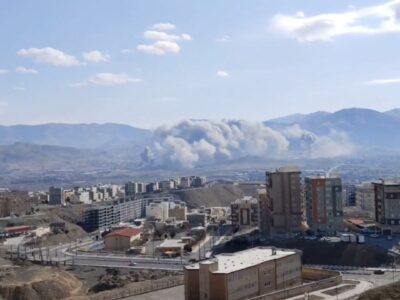
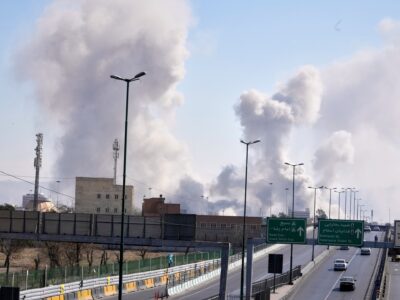
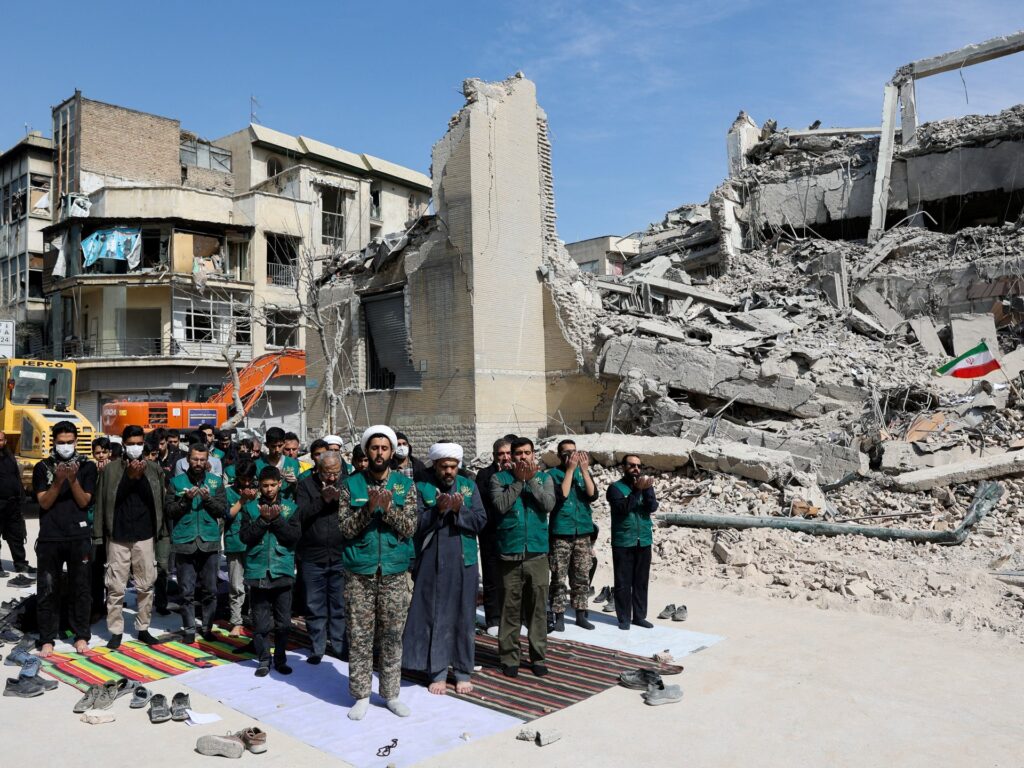
These heightened military actions stem from ongoing confrontations involving Iran’s growing regional influence and Israel’s security concerns. The US and Israel have launched coordinated bombardments targeting strategic locations within Iran and Lebanon, signaling a darker phase in the conflict.
The US Senate’s support for Trump’s hardline approach reflects increasing political unity in Washington to pressure Tehran amid allegations of destabilizing activities across the region. This political backing comes as the US maintains a robust military presence around Iran’s borders and underscores a readiness to intensify sanctions and military interventions.
Israel’s attacks on Lebanon have been particularly fierce, aiming to deter militant groups allegedly backed by Iran operating from Lebanese territories. The Israeli Defence Forces (IDF) have conducted multiple airstrikes in southern Lebanon, targeting infrastructure and suspected militant compounds. This has led to civilian casualties and aggravated an already volatile situation in Lebanon.
The combined US and Israeli actions have sent shockwaves through the international community, raising fears of a broader regional war. The conflict’s ripple effects are also tangible in the global energy markets, with crude oil prices surging amid concerns over supply disruptions due to instability near critical oil transit routes.
Energy prices have spiked sharply as traders react to the uncertainty surrounding the Persian Gulf and surrounding regions crucial for oil exports. This surge in prices threatens to impact global economies, especially those heavily dependent on Middle Eastern oil.
Diplomatic channels remain strained, with international powers calling for de-escalation and negotiation, yet the situation on the ground suggests preparations for further military engagements. The potential for escalation into a more widespread conflict raises alarm bells for neighboring countries and the international community.
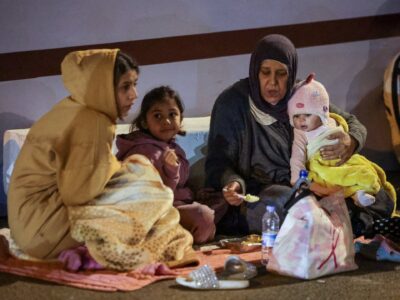
Humanitarian concerns are also mounting, as civilians in Lebanon and Iran face increasing danger from military strikes. Relief organizations are urging for immediate ceasefires to allow aid delivery to affected populations.
In summary, the live situation in Iran and its neighboring countries is a critical flashpoint in global geopolitics. The US Senate’s endorsement of Trump’s aggressive policies, combined with Israeli military actions against Lebanon, reflects a complex and dangerous dynamic poised to influence regional stability and global economic conditions. As the conflict unfolds, eyes remain on diplomatic efforts and the potential for either de-escalation or further violence.