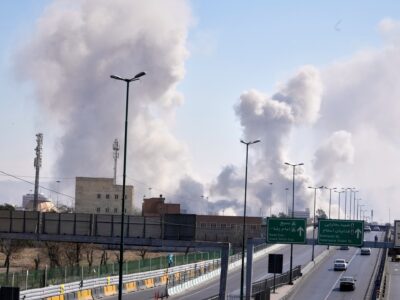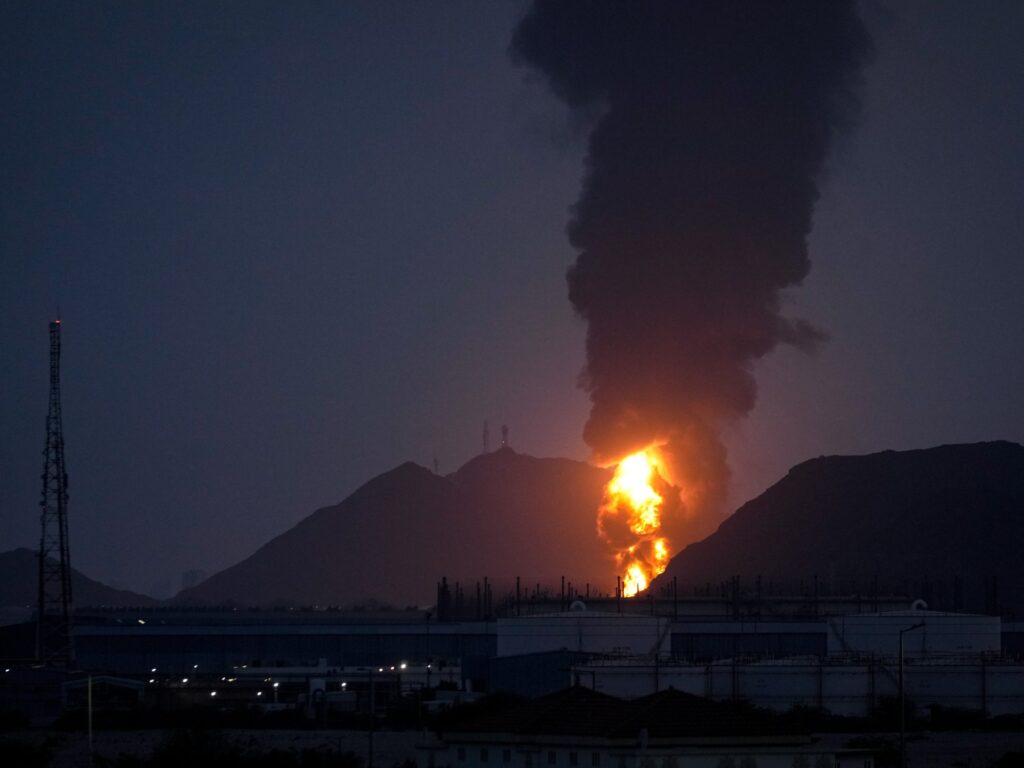
The ongoing conflict between the United States, Israel, and Iran has entered its fifth day, witnessing intensified strikes and counterattacks that have escalated tensions across the Middle East. On this day, reports confirm that US and Israeli forces have targeted nuclear-related facilities in Tehran, aiming to disrupt Iran’s nuclear capabilities and strategic operations. These strikes mark a significant escalation in the military engagement, underscoring the high stakes involved in the dispute.
Simultaneously, Iran has launched a fierce response, deploying hundreds of missiles and drones against various targets. This barrage has demonstrated Iran’s capacity to retaliate aggressively, signaling a potential for prolonged conflict. The missile attacks reportedly targeted facilities and positions linked with US and Israeli interests, indicating Iran’s strategic approach to inflicting damage and asserting their defensive posture.
The strikes on Tehran’s nuclear facilities are particularly alarming due to their potential implications on regional and global security. These sites are believed to play a crucial role in Iran’s development of nuclear technology, which many international actors monitor closely due to concerns about nuclear proliferation.
Iran’s use of drones alongside missiles marks a tactical expansion in its warfare capabilities, utilizing asymmetric warfare methods to counterbalance the technological superiority of US and Israeli forces. This shift could lead to a new phase in military engagements involving advanced drone warfare.
International reactions have been swift, with many countries urging restraint and calling for immediate de-escalation to prevent further bloodshed. The United Nations and other diplomatic entities have emphasized the importance of dialogue and negotiation to resolve the conflict peacefully.
The humanitarian impact of the conflict is becoming increasingly severe, with casualties reported on both sides and civilians affected by the hostilities. Aid organizations have expressed concern about access to medical and relief services in the conflict zones, highlighting the urgent need for humanitarian corridors and ceasefire agreements.
Military analysts suggest that the situation remains volatile, with the potential for further strikes and counterstrikes. The involvement of the US and Israel signals a broader geopolitical dimension, implicating alliances and rivalries that extend far beyond the immediate region.
As the conflict unfolds, the global community remains watchful. The outcomes of these attacks and Iran’s responses will likely influence international relations, energy markets, and security policies worldwide. The next days will be critical in determining whether the conflict escalates into a wider war or moves toward a negotiated settlement.
In summary, day five of the US-Israeli attacks on Iran is marked by significant military actions on both sides, reflecting deep-seated tensions and the complexity of the geopolitical landscape. The international call for peace and the urgent need to protect civilians remain paramount as the situation continues to evolve rapidly.