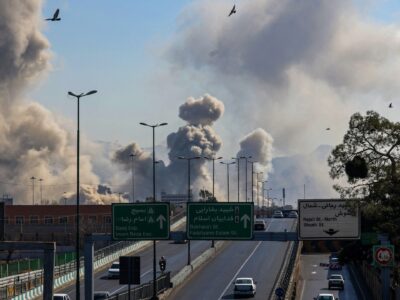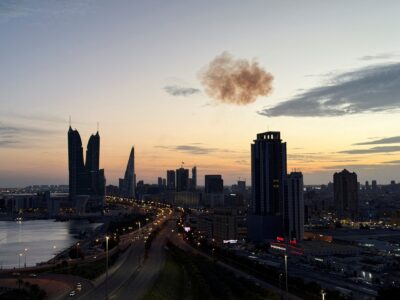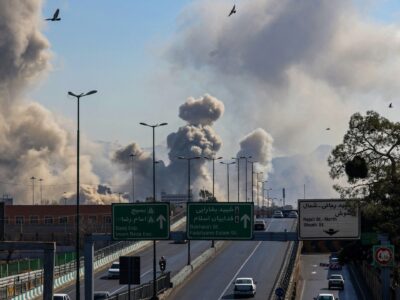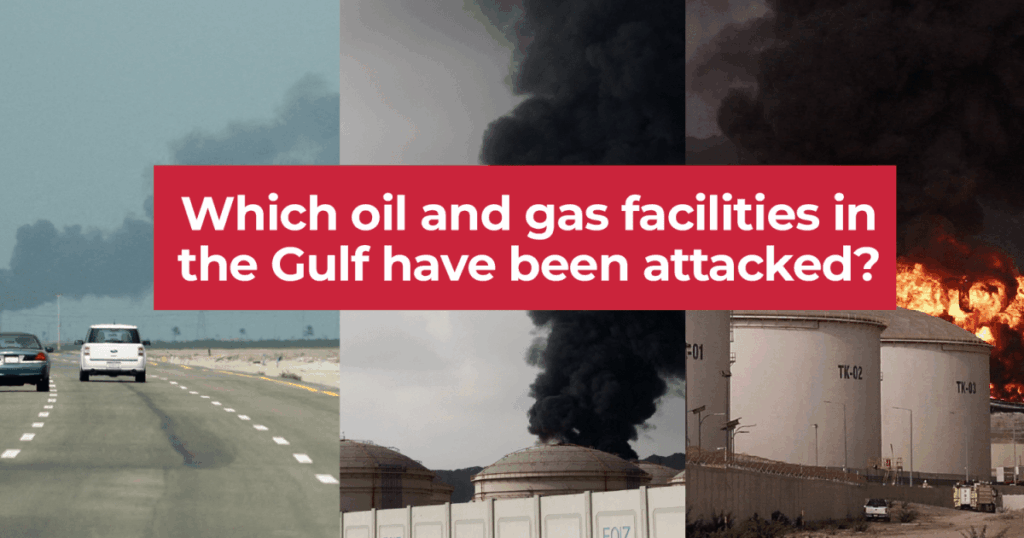
Recent attacks on key oil and gas facilities in the Gulf region have caused significant disruptions in global energy markets, leading to a notable spike in oil prices worldwide. These attacks targeted multiple energy infrastructures, critical for the region’s production and export capabilities, escalating tensions in an already volatile geopolitical landscape.
Among the facilities affected were major oil refineries and natural gas processing plants strategically located within the Gulf, a region pivotal to global energy supply. The assaults resulted in fires and operational shutdowns, impairing production capacity and creating immediate supply concerns for international markets.
Reports specify that the facilities attacked include some of the Gulf’s largest oil terminals and pipelines, essential for transporting hydrocarbons to global markets. The damage inflicted disrupted both the extraction and distribution processes, amplifying fears of prolonged energy shortages.
The incident has drawn widespread international attention and condemnation, with many nations calling for swift investigations and stability in the region. The escalation comes at a time when the world is already grappling with energy supply challenges, making the consequences of such attacks even more severe.
Iran, a central player in the Gulf and often at the heart of regional tensions, has categorically denied involvement in these attacks. Iranian officials have stated that Tehran does not target energy sites, emphasizing their commitment to regional stability and calling for restraint and dialogue.
Analysts suggest that while the direct perpetrators remain unidentified, the attacks appear to be strategically aimed at undermining the Gulf’s energy infrastructure to exert geopolitical pressure. The incident underscores the vulnerability of critical energy networks and the complex interplay of politics in the region.
Energy markets have reacted swiftly, with crude oil prices rising sharply following the news, reflecting fears of disrupted supply chains. Investors and governments alike are closely monitoring the situation, assessing potential impacts on energy security and economic stability.
In response to the attacks, Gulf countries have heightened security measures around vital energy assets, deploying additional surveillance and military resources to prevent further incidents. International partners have also expressed willingness to support these efforts to safeguard energy infrastructure.
The attacks have reinforced calls from global leaders for dialogue and conflict resolution in the Gulf, highlighting the importance of protecting energy resources critical to the world economy. Ensuring the security of these facilities remains a priority for all stakeholders involved.
As investigations continue, the situation in the Gulf remains tense but under close scrutiny by global powers. The outcome will likely influence not only regional dynamics but also the future landscape of global energy markets.
This series of attacks serves as a stark reminder of the fragility of energy infrastructure in geopolitically sensitive regions and the far-reaching impact that disruptions can have on global economies.