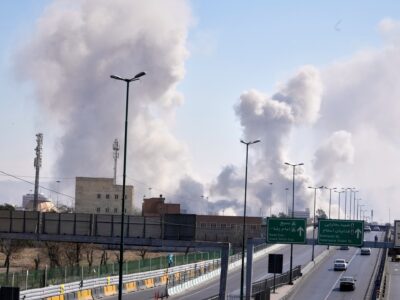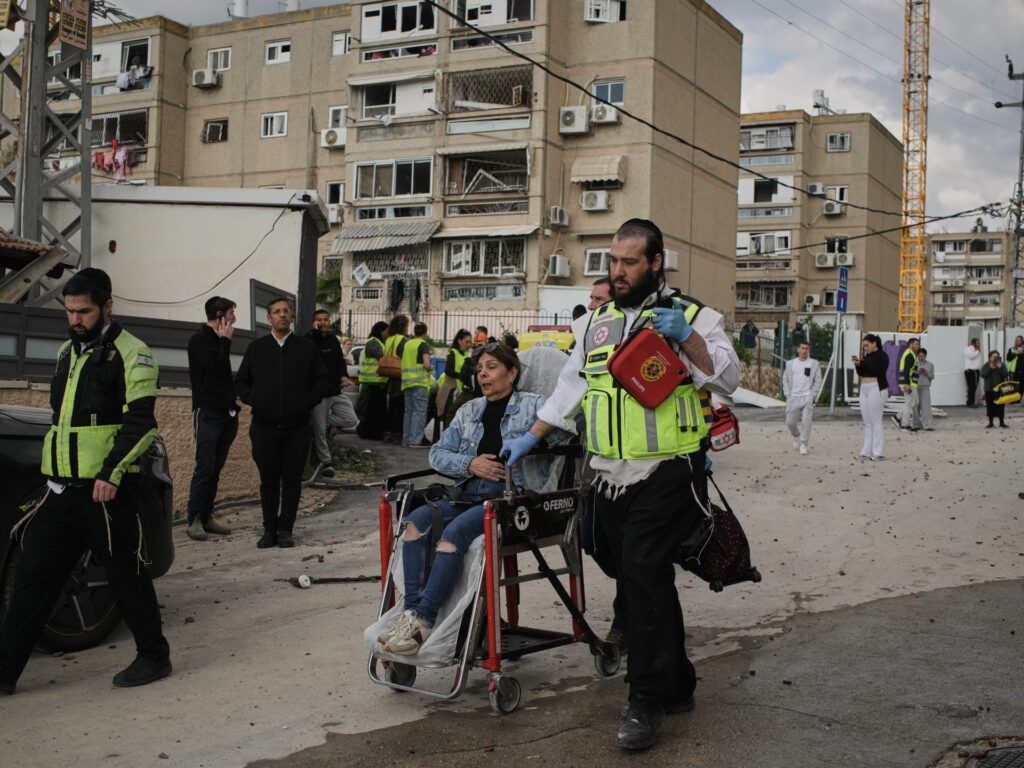
The prospect of a military conflict between Israel and Iran has raised significant questions about Israel’s ability to sustain such a prolonged engagement. While public support within Israel for its war efforts remains strong, there is considerable debate about the long-term military and economic sustainability of such a conflict.
Israel’s military is widely regarded as one of the most advanced and capable in the Middle East, supported by substantial defense budgets and cutting-edge technology. The Israel Defense Forces (IDF) possess a robust combination of air, ground, and intelligence capabilities, bolstered by mandatory conscription that ensures a steady flow of trained personnel. This readiness is further enhanced by close intelligence cooperation with the United States and other allies.
However, the prospect of sustaining a conflict against Iran—whose military assets include missile forces, proxy groups like Hezbollah and Hamas, and a rapidly developing nuclear program—is complex. Iran’s proxy networks provide it with asymmetric warfare options that could drag Israel into a multifaceted and prolonged conflict.
Economically, Israel has a resilient economy with strong sectors in technology, defense, and exports. But prolonged military conflict could strain national resources, disrupt trade, and impact economic stability. The costs of an extended war effort, including mobilization, weaponry, intelligence operations, and post-conflict reconstruction, could challenge Israel’s economic endurance.
Moreover, public sentiment, while supportive initially, can become divided as the human and economic costs mount. Israel’s democracy means that public opinion and political will are crucial factors in sustaining long-term military engagements.
Israel’s strategic options include aggressive preemptive strikes to limit Iranian military advantage, ongoing cyber warfare, diplomatic efforts to isolate Iran internationally, and preparing for defense against missile and proxy attacks. However, the risk remains that any miscalculation could escalate the conflict beyond intended objectives.
Analysts warn that while Israel has the military tools for early phases of a conflict, prolonged engagement will test both its military resilience and economic resources. Given the unpredictable nature of proxy warfare and Iran’s strategic depth, Israel may find itself facing a protracted struggle with no quick resolution.
In conclusion, Israel’s capacity to sustain a military conflict with Iran hinges on a mix of military strength, economic resilience, strategic planning, and public support. While Israel is prepared for initial confrontations, sustaining a long-term conflict involves significant uncertainties and potential costs that could impact its stability in the future.