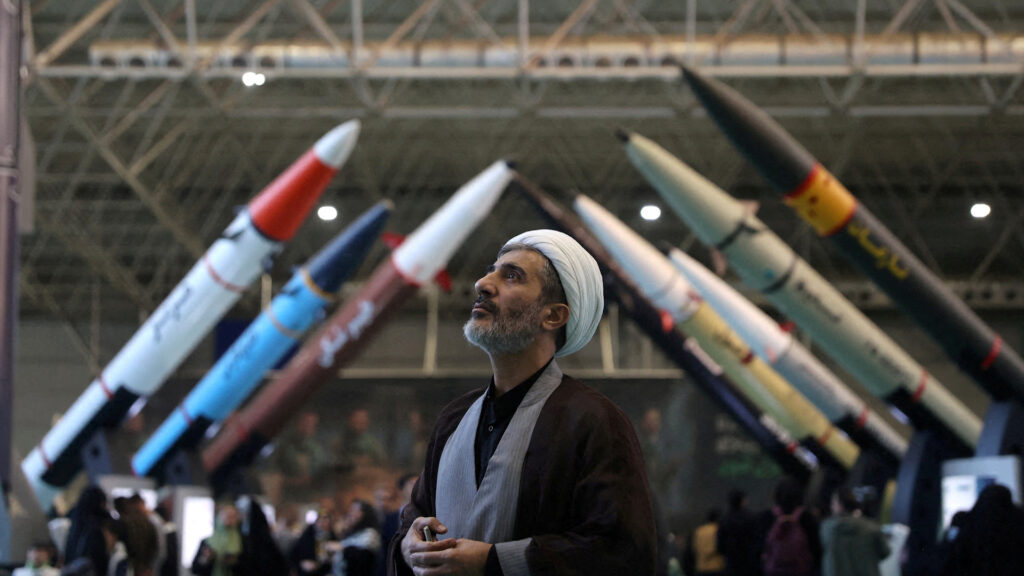
Recent reports have surfaced alleging that the United States and Israel may be supporting separatist groups within Iran. These claims suggest that such backing could be aimed at fomenting internal conflict or destabilizing the Iranian government. According to these emerging narratives, there is concern that this support might escalate into ethnic or sectarian violence, potentially leading to what some fear could resemble an ethnic civil war.
Iran, a country with a diverse demographic profile including Persians, Azeris, Kurds, Arabs, and Baluchis, among others, has seen periodic unrest tied to ethnic and regional grievances. Separatist movements, most notably among Kurdish and Baluchi populations, have at times clashed with Tehran’s authorities. The strategic interests of the US and Israel in the region often focus on countering Iran’s influence and nuclear ambitions.
Experts note that support for dissident groups in politically sensitive regions is a common strategy in international relations, often aimed at applying pressure on a rival government. However, there is a significant difference between providing diplomatic, economic, or covert support and directly inciting ethnic civil war.
Both the US and Israeli governments have historically criticized Iran’s policies and have had tense relations with Tehran. However, neither country has officially confirmed support for separatist militias or groups staging attacks within Iran. Officials typically emphasize support for human rights and democratic movements broadly across the Middle East.
Iranian leadership, on the other hand, frequently accuses foreign powers of meddling in its internal affairs. Tehran asserts that Western and Israeli intelligence agencies fund and arm insurgents and dissident groups to destabilize the nation. These claims often arise amidst escalating tensions, and while they reflect real geopolitical conflicts, independent verification of such specific support remains fraught.
The region’s geopolitical complexity means that disinformation and propaganda campaigns are frequent tools used to shape public perception and justify political actions. Analysts caution against taking early reports at face value without corroboration from multiple independent sources.
In conclusion, while allegations of US and Israeli support for separatist groups in Iran continue to be discussed, concrete evidence remains limited and contested. The international community watches closely as the balance between internal dissent and external influence plays out, with the hope that tensions do not escalate into widespread conflict or ethnic violence within Iran.